Major weight loss can improve health, mobility, energy, confidence, and quality of life. However, many patients are surprised to discover that after losing a significant amount of weight, loose or hanging skin may remain. This can happen after bariatric surgery, GLP-1 medications, Endoscopic Sleeve Gastroplasty (ESG), medical weight loss programs, or long-term lifestyle changes.
At Florida Surgery & Weight Loss Center, patients often ask which procedure may help remove excess abdominal skin after weight loss. For some eligible patients, panniculectomy surgery may be considered when excess skin causes discomfort, hygiene issues, skin irritation, recurrent rashes, or functional limitations.
Post Weight Loss Surgery
Learn what causes excess skin after major weight loss, which procedures may help remove loose abdominal skin, how panniculectomy surgery works, and when insurance may consider coverage after bariatric surgery, GLP-1 weight loss, ESG, or medical weight loss programs.
Florida Surgery & Weight Loss Center
Dr. Sergey Terushkin, MD, FACS
(954) 551-3508
Panniculectomy • Bariatric Surgery • Medical Weight Loss
English, Spanish, Ukrainian, Russian

🟢 Excess skin can occur after surgical and non-surgical weight loss.
🟢 Common causes include large weight loss, reduced skin elasticity, age, genetics, and how long a patient lived with obesity.
🟢 The lower abdomen is one of the most common areas affected by loose or hanging skin.
🟢 Exercise may improve strength and muscle tone, but it cannot always remove excess skin.
🟢 Panniculectomy surgery may help eligible patients remove excess abdominal skin.
🟢 Insurance coverage may be possible in medically necessary cases, but approval is not guaranteed.
Skin stretches over time as the body gains weight. After significant weight loss, the skin may not fully retract, especially when weight loss happens after many years of obesity or after a large amount of weight is lost.
The amount of loose skin a patient develops can depend on age, genetics, skin elasticity, smoking history, nutrition, hydration, sun damage, pregnancy history, and total weight loss.
For some patients, loose abdominal skin is only a cosmetic concern. For others, it can cause physical discomfort, hygiene problems, rashes, skin infections, and difficulty exercising.
Excess skin can happen after many different types of weight loss. Today, patients may lose significant weight through surgery, medication-assisted programs, endoscopic procedures, or lifestyle changes.
After gastric sleeve surgery, patients may lose a substantial amount of weight. As weight decreases, loose skin may become more noticeable around the abdomen, arms, thighs, chest, and back.
Patients who undergo revisional bariatric surgery may also experience additional weight loss, especially if a previous procedure did not produce the desired long-term results or weight regain occurred.
Endoscopic Sleeve Gastroplasty, also known as ESG, is a non-surgical endoscopic weight loss procedure. Patients who lose significant weight after ESG may also notice loose skin depending on age, weight loss amount, and skin elasticity.
Patients using medications such as Tirzepatide, Mounjaro®, or Zepbound® may experience major weight loss over time. Some patients who lose weight quickly or lose a large amount of weight may notice loose skin after treatment.
Patients using Semaglutide, lifestyle changes, nutrition support, or physician-guided medical weight loss may also experience excess skin after substantial weight loss. You can also view Semaglutide before and after weight loss results to better understand how body changes may occur during a weight loss journey.

One of the most common questions patients ask after weight loss is whether exercise can tighten loose skin.
Exercise is extremely important for maintaining weight loss, building muscle, improving metabolism, and supporting long-term health. However, exercise cannot always remove excess skin that developed after significant weight loss.
Strength training may improve body composition and muscle tone underneath the skin, but many patients who lose 75, 100, 150 pounds or more continue to have loose abdominal tissue despite maintaining an active lifestyle.
The skin’s ability to retract depends on age, genetics, smoking history, skin elasticity, total weight loss, nutrition, and how long the skin was stretched before weight loss.
For some patients, excess skin is more than a cosmetic concern. Hanging abdominal skin may trap moisture, cause friction, make exercise difficult, and interfere with daily comfort.
Patients may consider a medical evaluation when excess skin contributes to:
When these symptoms are present, panniculectomy surgery may be discussed as a functional procedure to remove excess lower abdominal skin.
A panniculectomy is a surgical procedure that removes excess hanging skin and tissue from the lower abdomen. This hanging skin is sometimes called a pannus or abdominal apron.
Unlike a cosmetic tummy tuck, panniculectomy is often focused on improving function, hygiene, comfort, and mobility. It does not always include abdominal muscle tightening or cosmetic contouring.
Patients who have lost weight after gastric sleeve surgery, revisional bariatric surgery, ESG, Tirzepatide, Semaglutide, or other medical weight loss programs may ask whether panniculectomy is appropriate once their weight has stabilized.
Insurance coverage for excess skin removal depends on the procedure, diagnosis, insurance policy, medical necessity, and documentation. Cosmetic skin removal is usually not covered, but panniculectomy may be considered by insurance in medically necessary cases.
Insurance companies may request documentation showing that excess abdominal skin causes functional or medical problems, such as:
Important: Insurance approval is not guaranteed. Coverage varies by plan, medical documentation, and insurer review. Florida Surgery & Weight Loss Center can help eligible patients understand insurance requirements and available options.
Most surgeons recommend that patients reach a stable weight before considering panniculectomy or other excess skin removal procedures. This helps improve surgical planning and long-term outcomes.
This is important for patients who lost weight through bariatric surgery, ESG, Tirzepatide, Mounjaro®, Zepbound®, Semaglutide, or medical weight loss programs. If weight loss is still continuing, your provider may recommend waiting until your weight has stabilized.
A consultation can help determine whether the timing is appropriate based on your health, weight history, symptoms, medications, and goals.
Patients may use educational tools to better understand BMI, weight loss options, GLP-1 medication terminology, and whether medical or surgical treatment may be appropriate to discuss with a provider.
Dr. Sergey Terushkin, MD, FACS is a fellowship-trained bariatric and general surgeon with experience in bariatric surgery, revisional bariatric surgery, medical weight loss, robotic surgery, and post-weight-loss surgical care.
Because excess skin often develops after major weight loss, patients benefit from working with a team that understands the full journey — from weight loss treatment to long-term maintenance and surgical options when appropriate.
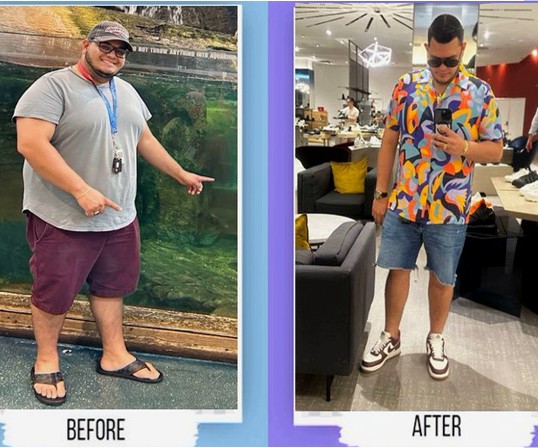
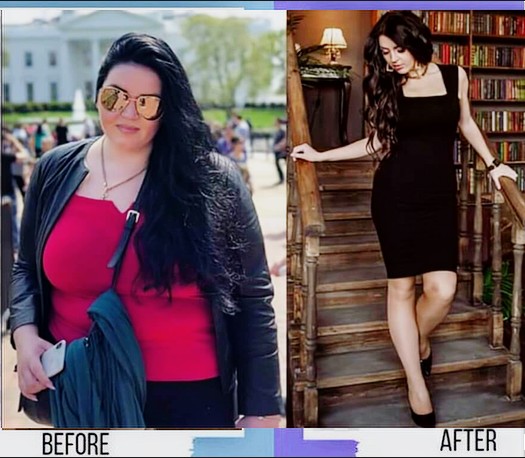
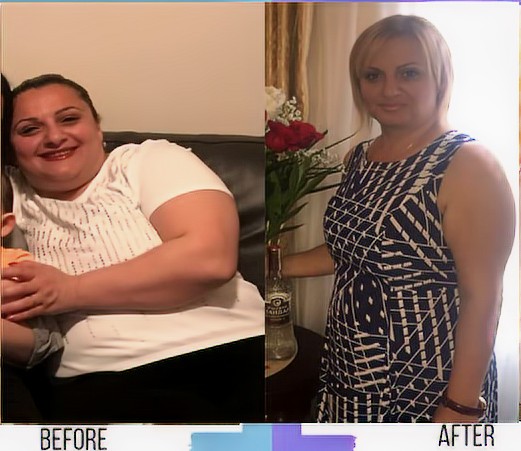
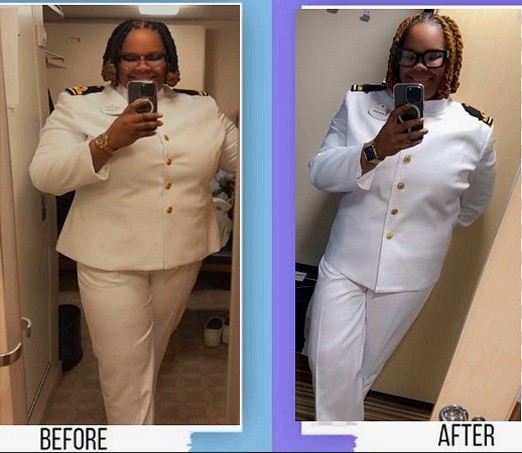
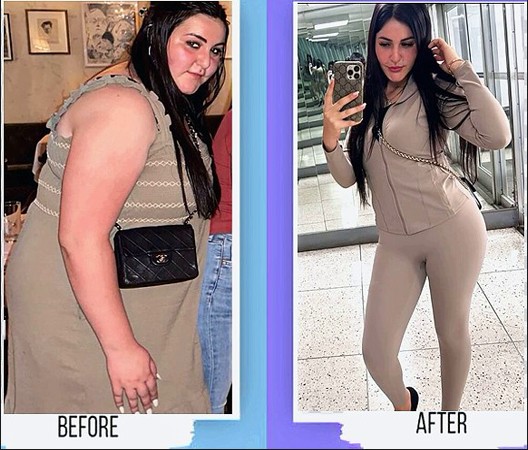
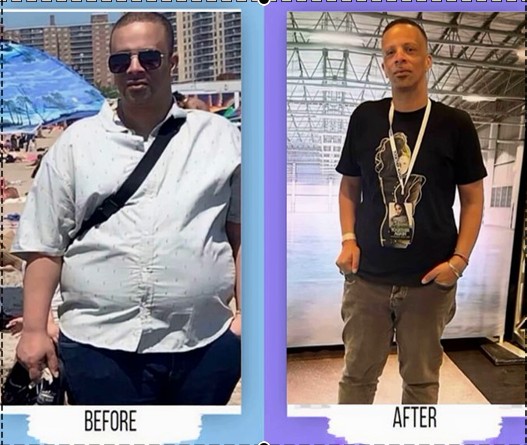
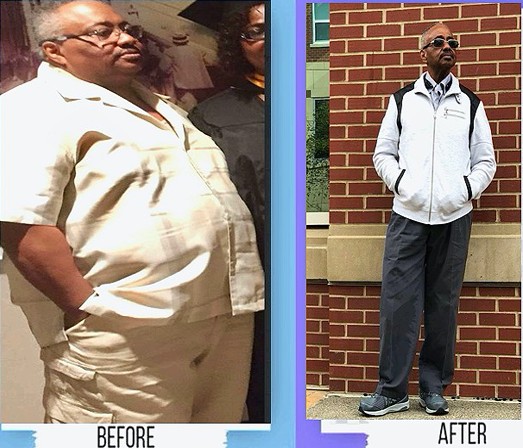
Patients who lose weight through bariatric surgery or medical weight loss often want to understand how the body may change over time. Results vary, but before-and-after stories can help patients better understand realistic expectations.
You can view examples of transformation stories and medical weight loss outcomes here:
If excess skin is affecting your comfort, mobility, exercise routine, hygiene, or quality of life, Florida Surgery & Weight Loss Center may be able to help. Schedule a consultation to discuss panniculectomy surgery, post-weight-loss body contouring options, bariatric surgery, medical weight loss, and long-term weight management solutions.
GLP-1 medications such as Tirzepatide and Semaglutide do not directly cause loose skin. However, significant weight loss may reveal excess skin that was previously stretched due to obesity.
Yes. Patients who lose a substantial amount of weight while using Tirzepatide may notice loose or hanging skin, especially around the abdomen, arms, thighs, and chest.
Mounjaro® and Zepbound® are tirzepatide-based medications. They do not directly cause loose skin, but major weight loss from any method can make excess skin more noticeable.
Some patients experience modest improvement in skin tightness over time. However, large amounts of excess skin often do not completely resolve without surgical treatment.
Patients with excess abdominal skin causing rashes, irritation, hygiene difficulties, infections, or functional limitations may be candidates for panniculectomy surgery after provider evaluation.
Insurance coverage may be available in medically necessary cases. Coverage depends on policy requirements, documentation, medical history, and insurer review. Approval is not guaranteed.
Many surgeons recommend reaching a stable weight before considering excess skin removal surgery. Individual recommendations vary based on overall health and weight loss history.
Yes. Many patients who have undergone Gastric Sleeve Surgery, Gastric Bypass Surgery, or Revisional Bariatric Surgery may explore panniculectomy after achieving significant weight loss and maintaining a stable weight.


Real people, REAL RESULTS! Check out a few of the many people that we have helped reach their ideal weight goals over the years.