Explore
Trying to figure out how many units your BPC-157 dose equals after mixing? This calculator helps estimate mcg to units, mL per dose, concentration per mL, and the number of doses in your vial.
Florida Surgery and Weight Loss Center
Enter your parameters and press calculate.
Common question patients ask when starting BPC-157:
The number of units for 250 mcg of BPC-157 depends on how much diluent you added.
Always verify your vial strength and follow provider instructions, because unit measurements change based on dilution.
These common examples show how BPC-157 units change when the dilution changes.
| Vial Strength | Diluent (mL) | Dose | Units (U-100) |
|---|---|---|---|
| 5 mg | 2 mL | 200 mcg | 8 units |
| 5 mg | 2 mL | 250 mcg | 10 units |
| 5 mg | 2 mL | 500 mcg | 20 units |
| 5 mg | 3 mL | 250 mcg | 15 units |
| 5 mg | 5 mL | 250 mcg | 25 units |
| 10 mg | 2 mL | 500 mcg | 10 units |
These are general examples only. Always confirm the exact vial strength, dilution amount, and instructions on your prescription label.
 How to Use the BPC-157 Calculator
Follow these steps to estimate your BPC-157 dose, units, and mL accurately.
Input the total amount of BPC-157 in the vial, such as 5 mg or 10 mg.
Enter how many mL of bacteriostatic water or diluent you added to reconstitute the vial.
Type your target dose in mcg, such as 200 mcg, 250 mcg, or 500 mcg.
Select the syringe you use so the calculator can show the most practical measurement format.
Check concentration per mL, volume per dose, insulin unit equivalent, and estimated doses per vial.
🟢 BPC-157 units depend on both vial strength and total diluent added.
🟢 The same mcg dose can equal different units when the mixing ratio changes.
🟢 This calculator estimates concentration, mL per dose, syringe measurement, and doses per vial.
🟢 Always verify the product label and follow provider instructions before injecting.
Looking for more information about BPC-157 therapy, pricing, benefits, and provider-guided care?
Visit our BPC-157 peptide therapy page to learn more.

Divide the total amount in the vial by the total mL of diluent added to get concentration, then calculate how much volume is needed for your dose.
It depends on your mixing ratio. For example, 5 mg mixed with 2 mL makes 250 mcg about 10 units on a U-100 syringe.
Adding more diluent lowers the concentration, so you need to draw a larger volume for the same dose.
Yes. 250 mcg equals 0.25 mg.
Always follow your prescription, pharmacy label, and provider instructions over any online calculator.
Still have questions about dosing, mixing, or syringe measurements? Below are answers to some of the most common questions patients ask when using a BPC-157 calculator.
Florida Surgery and Weight Loss Center serves patients across Florida, including Miami, Fort Lauderdale, Hollywood, Boca Raton, West Palm Beach, Tampa, Orlando, and Jacksonville, with physician-guided care and convenient telehealth options.
Start your peptide therapy today with physician-guided care.
Call us at (954) 551-3508 or use our contact form to book your consultation.
We serve patients across Florida, including Miami, Fort Lauderdale, Hollywood, Boca Raton, West Palm Beach, Tampa, Orlando, and Jacksonville.
This BPC-157 dosage calculator is provided for educational and informational purposes only and does not replace medical advice. All calculations are estimates and may vary based on product concentration, compounding standards, and individual prescriptions.
BPC-157 is not FDA-approved, and its use may be considered off-label. Always follow your healthcare provider’s instructions and the labeling provided by your pharmacy. Peptide therapies should only be used under medical supervision.


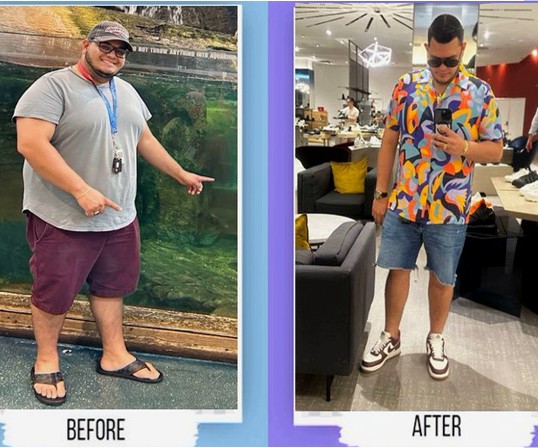
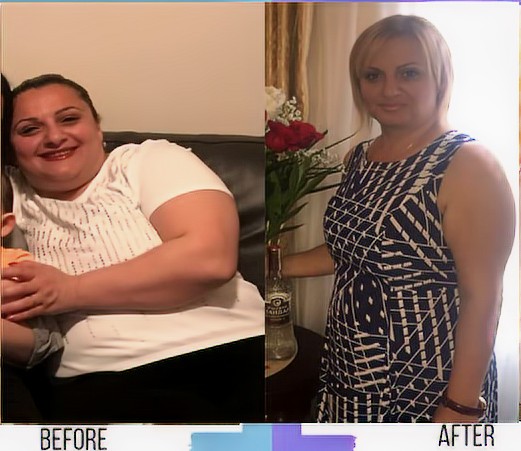
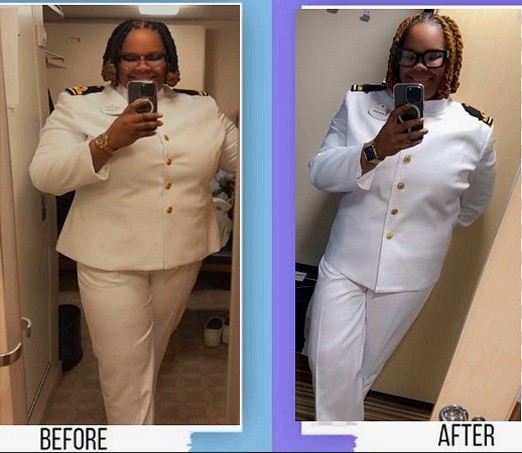
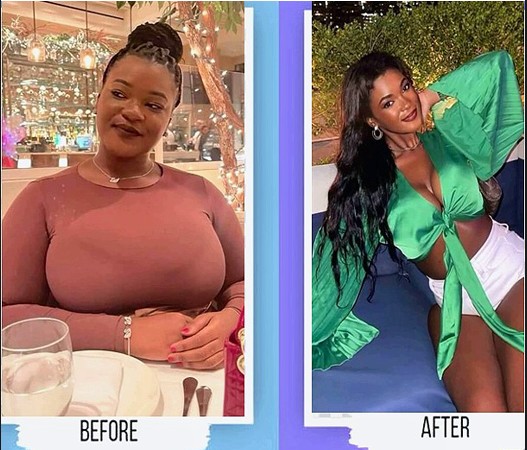
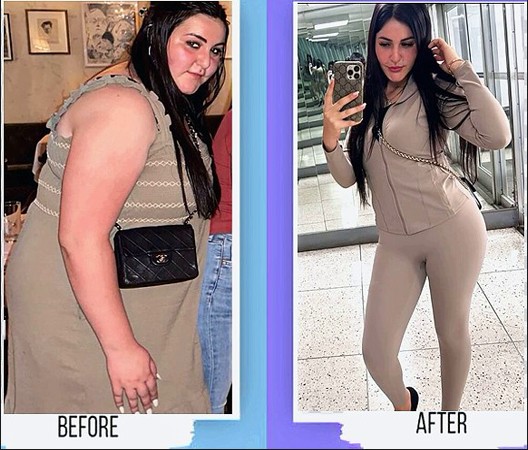
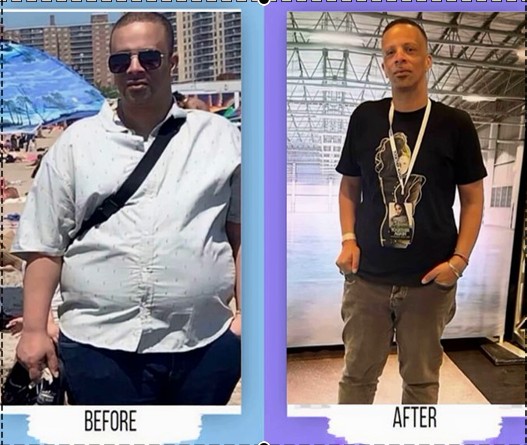
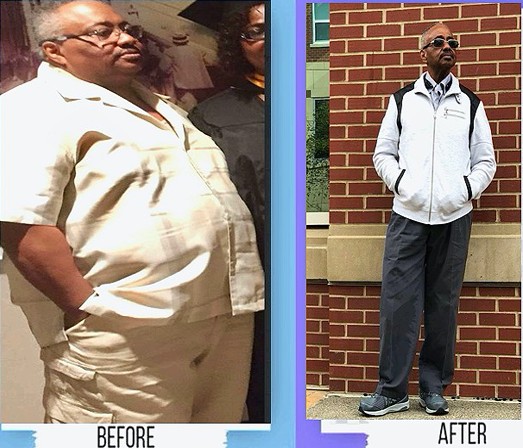
Real people, REAL RESULTS! Check out a few of the many people that we have helped reach their ideal weight goals over the years.