TESAMORELIN THERAPY
Many patients ask what happens if they stop Tesamorelin after reaching their goals. Can you simply stop treatment? Should you taper your dose? Will belly fat return? How long does Tesamorelin remain in your body?
This physician-reviewed guide explains what current research tells us about stopping Tesamorelin, what changes patients may experience after discontinuation, and when it is appropriate to discuss stopping treatment with your healthcare provider.
Many patients can stop Tesamorelin without tapering, but treatment should never be started, stopped, or changed without discussing it with the prescribing healthcare provider.
Research suggests that reductions in visceral abdominal fat may gradually decrease after treatment is discontinued if no additional interventions are made.
Tesamorelin has a relatively short half-life, but its biological effects on growth hormone and IGF-1 last longer. Individual responses vary.
Most patients do not require a taper, although your provider may recommend an individualized treatment plan depending on your medical history and goals.
Tesamorelin works by stimulating the release of growth hormone through growth hormone-releasing hormone (GHRH). As treatment continues, some patients experience reductions in visceral abdominal fat together with improvements in body composition as part of a comprehensive medical program.
After treatment is discontinued, growth hormone stimulation gradually returns toward baseline. This means some of the treatment effects may lessen over time, particularly if healthy nutrition, physical activity, and other physician-guided strategies are not maintained.
Current research suggests that visceral fat reductions achieved during treatment may not be fully maintained after discontinuation. This is one of the reasons regular follow-up with your healthcare provider remains important.
“The goal isn’t simply to stop Tesamorelin. The goal is to determine whether stopping treatment makes sense based on your current health, body composition, laboratory values, and long-term wellness plan.”
— Dr. Rosemary Daly, D.O., DABPM
| While Taking Tesamorelin | After Stopping Tesamorelin |
|---|---|
| Reduced visceral abdominal fat in many responding patients | Visceral fat may gradually increase over time |
| Higher growth hormone and IGF-1 stimulation | Hormonal stimulation gradually returns toward baseline |
| Regular physician monitoring | Healthy lifestyle habits become increasingly important |
| Personalized treatment adjustments | Future treatment decisions depend on provider evaluation |

One of the most common questions patients ask is whether Tesamorelin needs to be tapered before stopping treatment. Unlike medications that require gradual dose reduction to prevent withdrawal symptoms, Tesamorelin generally does not require a formal taper. However, every patient is different, and treatment decisions should always be made together with your healthcare provider.
Rather than asking whether you can stop Tesamorelin, the better question is whether stopping treatment is appropriate based on your current health, body composition, laboratory results, and long-term wellness goals.
Some patients stop after reaching their desired results, while others continue treatment as part of a longer physician-guided wellness program.
“Patients often ask if they need to slowly reduce their Tesamorelin dose before stopping. For most individuals, that’s not necessary. What’s more important is discussing why you’re stopping and whether another treatment plan should replace it.”
— Karla K. Mioduchoski, FNP-BC
Tesamorelin itself has a relatively short half-life, meaning the medication leaves the bloodstream fairly quickly. However, its biological effects on growth hormone release and IGF-1 production continue longer than the medication remains in circulation.
Because every patient metabolizes medications differently, there is no single answer that applies to everyone. Factors such as age, liver function, kidney function, body composition, overall health, and treatment duration may all influence how quickly the body’s hormone levels return toward baseline.
This is one reason follow-up appointments remain important even after treatment has been discontinued.
This is probably the most searched question about stopping Tesamorelin.
Available clinical studies suggest that reductions in visceral abdominal fat may gradually decrease after treatment is discontinued. In other words, some of the improvements achieved during therapy may not be permanent without continued attention to nutrition, physical activity, sleep, and overall lifestyle.
That does not necessarily mean every patient immediately regains all lost fat. Individual responses vary considerably depending on lifestyle habits, metabolic health, and other medical treatments.
For many patients, Tesamorelin works best when combined with healthy eating, regular exercise, and long-term physician-guided wellness planning.
Some patients read online discussions suggesting that Tesamorelin should always be “cycled.” In reality, there is no universally accepted cycling schedule that applies to every patient.
Treatment length depends on:
Some patients complete relatively short treatment courses, while others may continue longer under ongoing medical supervision.
You should always contact your healthcare provider before stopping Tesamorelin if:
A provider can help determine whether discontinuing therapy is appropriate or whether adjustments to your overall treatment plan would better support your long-term goals.
Learn More About: Do You Need a Break from Tesamorelin? A Physician Explains

Many patients also ask whether they can restart Tesamorelin after taking a break. In many cases, this decision depends on your current health, treatment goals, previous response to therapy, laboratory findings, and provider evaluation.
There is no universal recommendation that applies to everyone. Some patients may benefit from restarting treatment, while others may achieve their wellness goals through nutrition, exercise, medical weight loss, or different physician-guided treatment options.
The decision should always be made together with a qualified healthcare provider rather than based on online discussions or social media advice.
“Our goal is not simply to prescribe peptide therapy. Our goal is to help patients build a long-term wellness strategy that continues to support their health whether they’re actively using Tesamorelin or transitioning off treatment.”
— Dr. Sergey Terushkin, MD, FACS
If you’re researching Tesamorelin, these physician-reviewed resources may also help answer additional questions about dosing, belly fat reduction, side effects, and treatment planning.
Many patients can stop Tesamorelin without tapering, but treatment decisions should always be discussed with the prescribing healthcare provider.
There is no standard cycling schedule that applies to every patient. Treatment duration depends on provider recommendations, treatment goals, and individual response.
Tesamorelin leaves the bloodstream relatively quickly, although its biological effects may continue longer. Individual responses vary.
Research suggests that visceral abdominal fat may gradually increase after treatment is discontinued if healthy lifestyle habits are not maintained.
Possibly. The decision depends on your current health, treatment goals, laboratory results, and provider evaluation.
Feeling better does not necessarily mean treatment should be discontinued. Discuss any changes with your healthcare provider before stopping therapy.

Florida Surgery & Weight Loss Center offers physician-guided peptide therapy consultations for eligible patients interested in healthy aging, body composition, wellness, and personalized treatment planning.
(954) 551-3508
Online Consultations Available • Consultation Starting at $99
This article is provided for educational purposes only and should not be considered medical advice. Tesamorelin therapy requires evaluation by a licensed healthcare provider. Individual responses vary, and treatment recommendations depend on medical history, current medications, laboratory findings, treatment goals, and clinical appropriateness. Patients should never begin, stop, or change peptide therapy without discussing the decision with their healthcare provider.


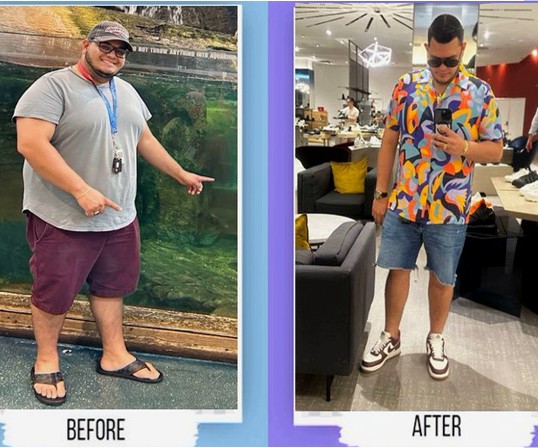
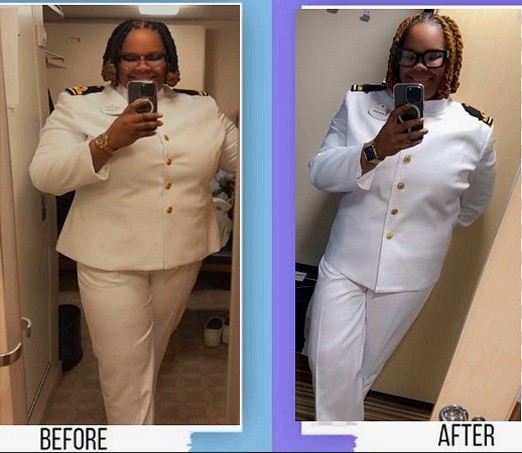
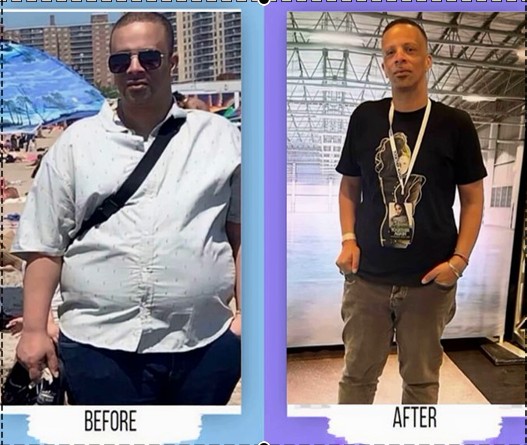
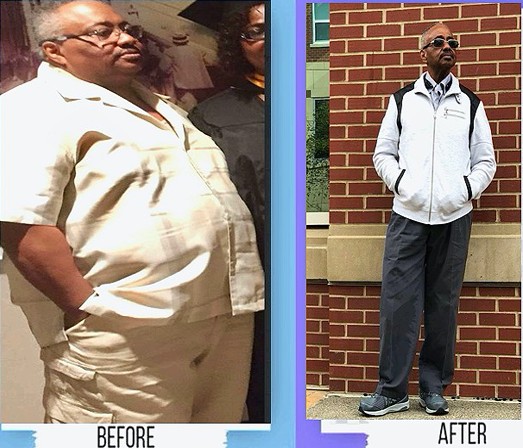
Real people, REAL RESULTS! Check out a few of the many people that we have helped reach their ideal weight goals over the years.