Author: By Karla K. Mioduchoski, FNP-BC, Board-Certified Family Nurse Practitioner specializing in integrative wellness, medical weight loss, and anti-aging therapies
Worried about the potential risks and side effects of peptide therapy? While Ipamorelin is celebrated for its fat-burning, muscle-preserving, and anti-aging benefits, it is crucial to understand the full picture before starting any new medical treatment. At Florida Surgery & Weight Loss Center, Karla K. Mioduchoski, FNP-BC, believes in complete transparency. We break down the real downsides of Ipamorelin Peptide Therapy—from mild side effects to the daily commitment required—so you can make a fully informed decision about your health.
✨ Ipamorelin is generally well-tolerated, but common downsides include temporary injection-site redness, mild headaches, and slight dizziness when starting.
✨ It requires a daily commitment to subcutaneous injections, as oral forms are highly ineffective.
✨ It is not a “magic overnight fix”; noticeable changes in body composition typically take 3 to 6 months of consistent use.
✨ Unlike older peptides, extreme hunger is not a downside of Ipamorelin.
✨ Our clinic provides thorough medical evaluations to ensure you are a safe candidate before prescribing any peptide protocol.
Patients across South Florida, including Hollywood, Miami, Fort Lauderdale, Boca Raton, and West Palm Beach, often ask us:
Let’s break down the realities and potential downsides of Ipamorelin therapy.

Because Ipamorelin is a synthetic peptide that mimics your body’s natural hormones, it is generally considered one of the safest, mildest options available. However, no medical treatment is 100% free of side effects.
When beginning treatment, your body is adjusting to a new hormonal pulse. The most frequently reported downsides include:
👉 In clinical practice, these side effects are usually transient (meaning they go away on their own as your body adapts). Karla K. Mioduchoski carefully monitors your initial dosing to minimize these risks from day one.
For many patients, the biggest “downsides” of Ipamorelin are logistical rather than physical.
1. You have to Use Needles. Ipamorelin must be administered via a subcutaneous injection (a tiny needle injected into the belly fat). Because peptides are fragile proteins, taking them orally in a pill form means they will simply be destroyed by your stomach acid before they can work. If you have a severe phobia of needles, the daily routine can be a mental hurdle.
2. Results Are Not Immediate. If you are looking for rapid, massive weight loss in 30 days, Ipamorelin is not the right tool. It works by naturally optimizing your cellular metabolism and repairing tissue. While you may sleep better in week one, visible fat loss and muscle toning take 3 to 6 months of consistent adherence.
When researching peptides, you will often read horror stories about uncontrollable sugar cravings and massive spikes in stress hormones.
The good news? Because Ipamorelin is a highly selective, third-generation peptide, it does not cause the extreme hunger or cortisol spikes associated with older therapies like GHRP-6.
If you are curious about how this peptide actually interacts with your appetite, read our comprehensive breakdown: Does Ipamorelin Make You Hungry? How to Burn Fat Without the Cravings.
The most significant downside of any growth hormone secretagogue is that it is strictly contraindicated for certain individuals.
Ipamorelin accelerates cellular growth and repair. Therefore, it is absolutely not safe for anyone who has:
The downsides of Ipamorelin therapy are:
✔ Mostly mild, temporary physical side effects (like headaches or injection site redness).
✔ The necessity of daily subcutaneous injections.
✔ The requirement of long-term patience (3 to 6 months for visible results).
✔ Strict contraindications for patients with a history of cancer.
But most importantly:
👉 When prescribed and monitored correctly by a medical professional, the anti-aging, recovery, and metabolic benefits of Ipamorelin far outweigh the mild inconveniences for most healthy adults.

At Florida Surgery & Weight Loss Center, we offer expert, provider-guided Ipamorelin Peptide Therapy with comprehensive medical supervision and support to ensure your safety and success.
📍 Serving: Hollywood, Miami, Fort Lauderdale, Boca Raton, West Palm Beach, and statewide via Telehealth.
📍 Visit Us: 1911 Harrison Street, Hollywood, FL 33020
📞 Call: (954) 551-3508
A: The primary downsides include the need for daily subcutaneous injections, the time it takes to see visible body composition changes (3 to 6 months), and mild initial side effects such as temporary headaches, dizziness, or redness at the injection site.
A: It can cause mild water retention in some patients, usually noticed as slight swelling in the fingers or ankles. However, Ipamorelin causes significantly less water retention compared to direct Human Growth Hormone (HGH) injections or older peptides.
A: Some patients report feeling relaxed or mildly lethargic immediately after their injection, which is why Karla K. Mioduchoski, FNP-BC, often recommends administering your dose at night before bed to aid in deep sleep and recovery.
A: No. One of the greatest benefits of Ipamorelin compared to older peptides (such as GHRP-2 or GHRP-6) is its high selectivity and lack of significant cortisol (the stress hormone) or prolactin elevation.
A: Because it stimulates your body’s natural pathways rather than shutting them down with synthetic hormones, long-term risks are considered low for healthy individuals. However, it should never be used by individuals with active cancer, as growth hormones can stimulate the growth of malignant cells.
Still have questions? Below are additional answers covering more specific details about the downsides of Ipamorelin, along with other common peptide concerns.
Disclaimer: This content is for educational purposes only and is not medical advice. Ipamorelin is an off-label, non-FDA-approved peptide used for wellness purposes. Results vary and carry potential risks. Always consult Karla K. Mioduchoski, FNP-BC, or a licensed provider before starting any peptide therapy.


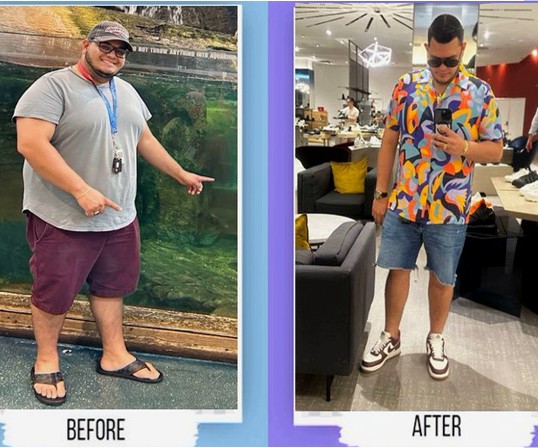
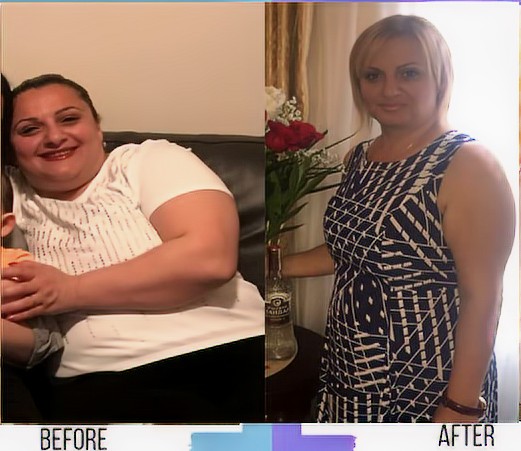
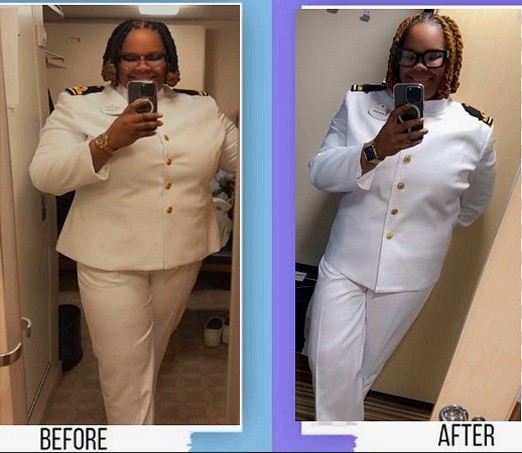
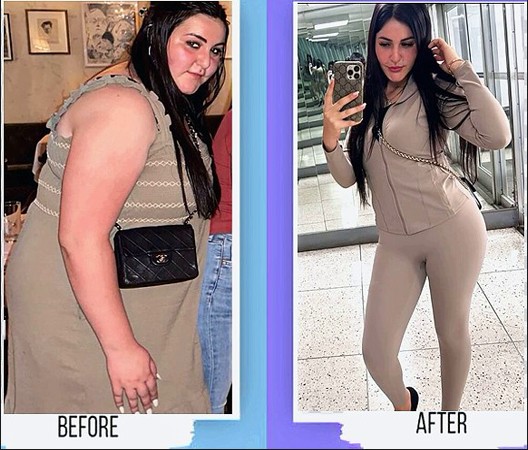
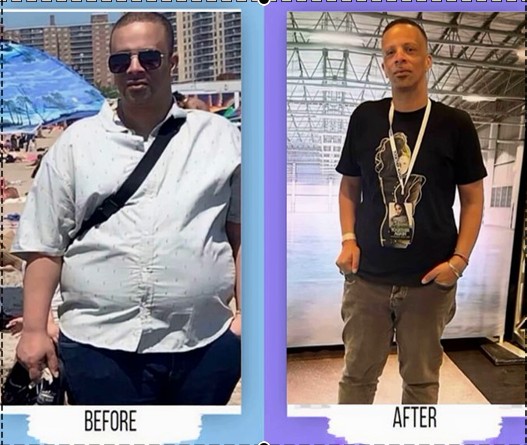
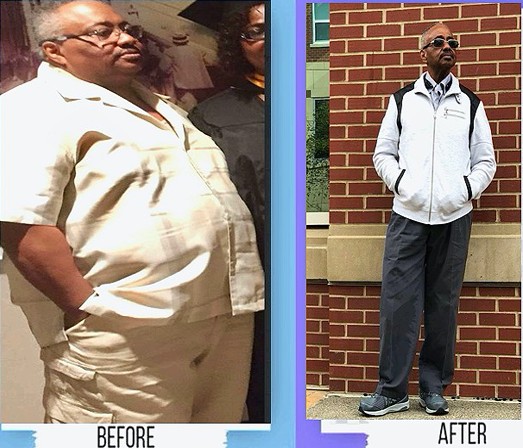
Real people, REAL RESULTS! Check out a few of the many people that we have helped reach their ideal weight goals over the years.