Author: Karla K. Mioduchoski, FNP-BC
Reviewed by: Dr. Rosemary Daly, DO, DABPM
Patients at Florida Surgery & Weight Loss Center often ask an important question after starting GLP-1 medications:
“Can I switch from semaglutide or tirzepatide to peptide blends like GLOW Mix?”
According to Karla K. Mioduchoski, the answer depends on the patient’s goals, medical history, response to treatment, and long-term wellness plan.
Some patients are focused mainly on weight loss. Others begin asking about recovery, energy, inflammation support, healthy aging, or maintaining results after significant weight reduction.
GLP-1 medications such as semaglutide and tirzepatide are commonly used to support weight loss by helping regulate appetite and food intake.
Many patients do very well on these medications. But after several months, some begin asking questions about:
Karla K. Mioduchoski, FNP-BC says these conversations are becoming more common as patients think beyond the number on the scale and start focusing on overall wellness.
Patients who want to better understand GLP-1 medication dosing and measurements also frequently use the
Tirzepatide & Semaglutide Units Calculator.

GLOW Mix is a wellness-focused peptide blend discussed by patients interested in recovery, healthy aging, metabolism support, and overall wellness optimization after weight loss.
At Florida Surgery & Weight Loss Center, patients often ask about GLOW Mix ingredients and how they differ from GLP-1 medications.
Depending on the formulation and provider recommendations, GLOW Mix may include peptides such as:
These peptides are commonly discussed in wellness-focused care related to:
Unlike semaglutide or tirzepatide, peptide blends are not primarily designed for appetite suppression or direct weight loss.
Patients sometimes expect peptide blends to work the same way as GLP-1 medications, but the goals are often different.
Patients interested in learning more about peptide wellness blends can review the clinic’s
GLOW Peptide Therapy overview.
Not always.
Some patients may transition safely under medical supervision, while others may experience increased appetite or weight regain if medications are stopped too quickly.
Providers may recommend:
Treatment decisions should always be individualized.
Yes, in some cases.
Patients may discuss peptide therapy while continuing medical weight loss treatment, especially during maintenance phases or wellness-focused care. The approach depends on the patient’s health history, goals, and provider evaluation.
Some patients also ask specifically about recovery-focused peptides such as BPC-157 and TB-500, often discussed in wellness and recovery programs. More information is available in the clinic’s
BPC-157 Wolverine Peptide Therapy Guide.
Karla K. Mioduchoski, FNP-BC explains that many patients begin asking about peptide therapy after achieving meaningful weight loss.
Some patients are happy with their progress but still want help with:
That does not necessarily mean GLP-1 treatment failed. It often means the patient’s goals evolved over time.
📞 (954) 551-3508 | Book Online

Before changing medications or starting peptide therapy, patients should discuss:
These decisions are safest when guided by a licensed medical provider.
Florida Surgery & Weight Loss Center offers telehealth consultations for eligible patients interested in medical weight loss and wellness-focused peptide programs.
During an evaluation, providers may review:
Recommendations are based on individual medical evaluation and clinical judgment.
Patients often assume switching from semaglutide or tirzepatide to peptide blends is a simple medication change. In reality, it is usually part of a larger conversation about wellness, recovery, maintenance, and long-term health goals.
For some patients, continuing GLP-1 treatment may make sense. Others may discuss peptide wellness support depending on their progress and individual needs.
The best next step is speaking with a qualified medical provider who understands both medical weight loss and peptide-based wellness approaches.

Not necessarily. GLP-1 medications and peptide wellness blends are designed for different purposes. A provider can help determine which option best fits your goals.
Some patients may experience increased appetite or weight regain after stopping treatment. Long-term lifestyle habits and medical guidance matter.
Many peptide wellness blends are not FDA-approved for weight loss. Treatment recommendations should always be discussed with a licensed provider.
Some patients explore peptide therapy for wellness goals related to recovery, energy, and healthy aging support. Individual experiences vary.
Many patients can start with telehealth consultations, depending on medical eligibility and state regulations.
This article is for informational purposes only and does not provide medical advice, diagnosis, or treatment. Medications and peptide therapies should only be used under the supervision of a licensed healthcare provider.
Compounded medications, if prescribed, are not FDA-approved and may be prepared by state-licensed 503A compounding pharmacies based on individual patient needs. Individual results vary.


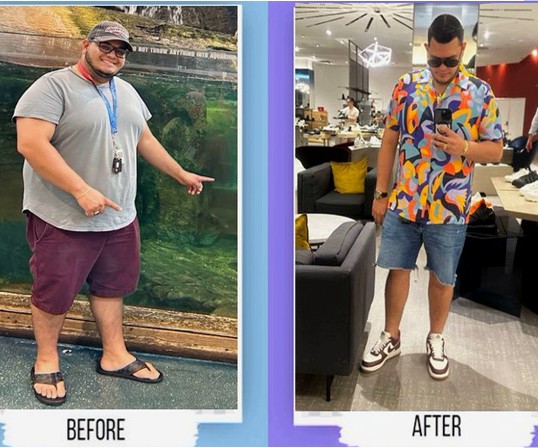
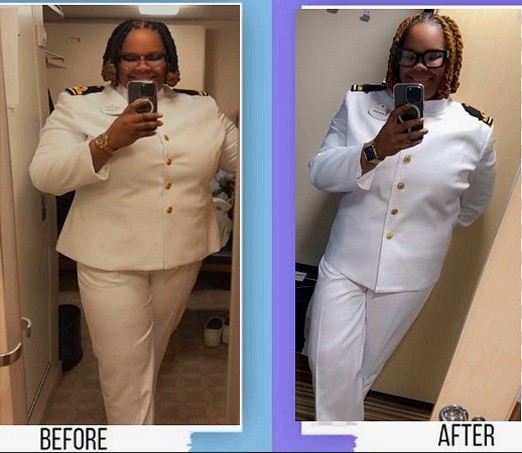
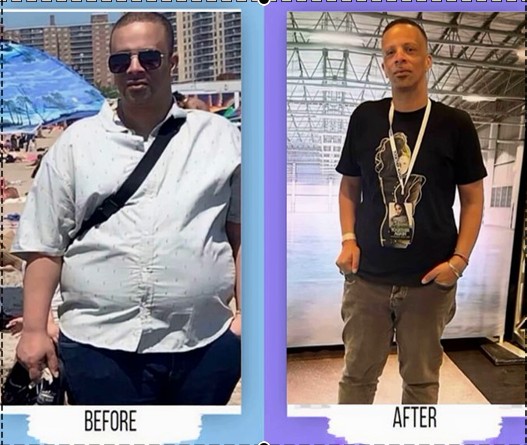
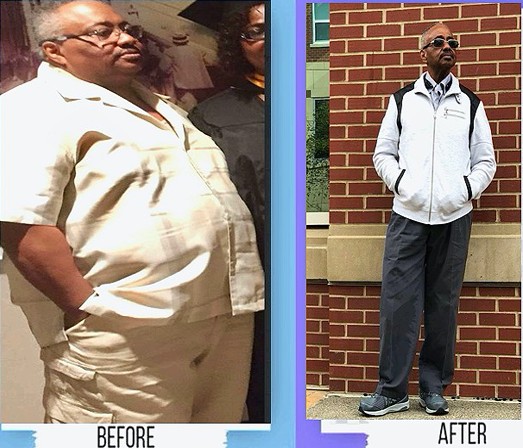
Real people, REAL RESULTS! Check out a few of the many people that we have helped reach their ideal weight goals over the years.