

Trying to figure out at home how many units is 250 mcg, how to mix peptides correctly, or how to calculate your exact dose in mL? You’re not alone — peptide dosing can be confusing, especially when you’re preparing injections yourself. Our Peptide Reconstitution Calculator helps you quickly convert mg to mcg, calculate peptide concentration per mL, and determine insulin syringe units based on your vial strength and dilution. Whether you’re using Sermorelin, Tesamorelin, CJC-1295, Ipamorelin, GLOW Mix, or NAD+, this tool makes at-home peptide dosing simpler, clearer, and more accurate in seconds.
Explore
Use our Peptide Reconstitution Calculator below. Simply select your parameters to accurately calculate dosage volume, syringe measurements, and estimated doses per vial.
Florida Surgery and Weight Loss Center
Enter your parameters and press calculate.
Common question patients ask when starting peptide therapy:
The number of units for 250 mcg depends on your peptide concentration after mixing.
Always use a calculator or follow your provider’s instructions, as unit measurements change based on dilution.
Below are common examples based on typical reconstitution ratios. Actual dosing may vary depending on your prescription.
| Vial Strength | Diluent (mL) | Dose | Units (U-100) |
|---|---|---|---|
| 5 mg | 2 mL | 250 mcg | 10 units |
| 5 mg | 3 mL | 250 mcg | 15 units |
| 5 mg | 5 mL | 250 mcg | 25 units |
| 10 mg | 2 mL | 500 mcg | 10 units |
| 10 mg | 5 mL | 500 mcg | 25 units |
Note: These are general examples. Always follow your provider’s instructions and prescription label.
🟢 Peptide dosing depends on both the amount in the vial and the total diluent added.
🟢 This calculator estimates concentration, dose volume in mL, syringe measurements, and estimated doses per vial.
🟢 The same peptide dose can equal different syringe amounts if the vial strength or reconstitution amount changes.
🟢 Always verify the product label and provider instructions before injecting.
Explore our free educational calculators to better understand peptide dosing, reconstitution, injection units, body composition, and medical weight loss measurements. These tools are provided for educational purposes only and do not replace instructions from your healthcare provider or pharmacy.
These peptide and medical calculators are provided for educational purposes only. They should not be used to self-prescribe, self-adjust dosing, or replace instructions from a licensed healthcare provider or pharmacy. Always follow your individualized treatment plan and medication instructions.
Follow these simple steps to calculate your peptide dose, syringe units, and reconstitution ratio accurately.
Choose the peptide you are using, such as Tesamorelin, CJC-1295, Ipamorelin, GLOW Mix, or NAD+. Each option adjusts default dosing ranges and units.
Input the total amount of peptide in the vial. This tells the calculator how much active compound is available before reconstitution.
Enter how many mL of bacteriostatic water or other diluent you added. This determines the final concentration of the solution.
Input your target dose per injection. The calculator converts this into volume and syringe measurement.
Select insulin, tuberculin, or standard syringe. The calculator adjusts the output based on the syringe style you use.
Check the estimated concentration, mL per dose, syringe measurement, and doses per vial. This helps confirm whether your settings look correct before proceeding.
Always compare the calculator result with your prescription label, pharmacy instructions, and provider guidance. This tool is for educational use only.

Need help with dosing? Use our GLP-1 (Tirzepatide / Semaglutide) Dose to Units Calculator or the Peptide Calculator above to estimate your dose, syringe units, and mL accurately.

This peptide calculator is for educational purposes only and does not replace medical advice. Results are estimates and may vary based on product, concentration, and prescribing instructions.
Always follow your healthcare provider’s guidance for dosing and mixing. Peptides mentioned may be prescribed off-label and require medical supervision.


Explore before-and-after transformations from patients who received bariatric surgery and physician-guided weight-loss care at Florida Surgery And Weight Loss Center. Every patient’s journey is unique, and individual results vary.

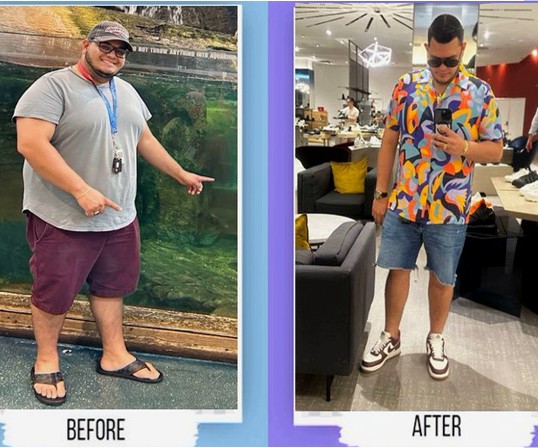


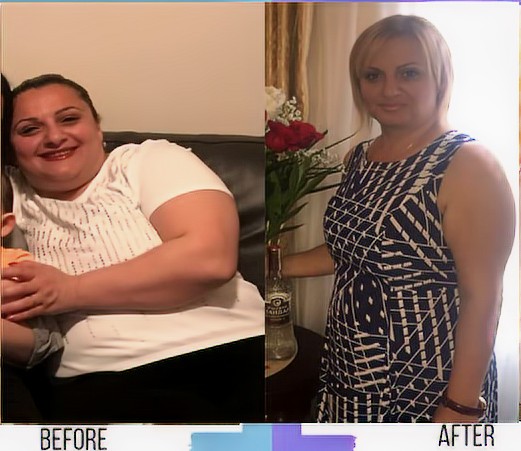

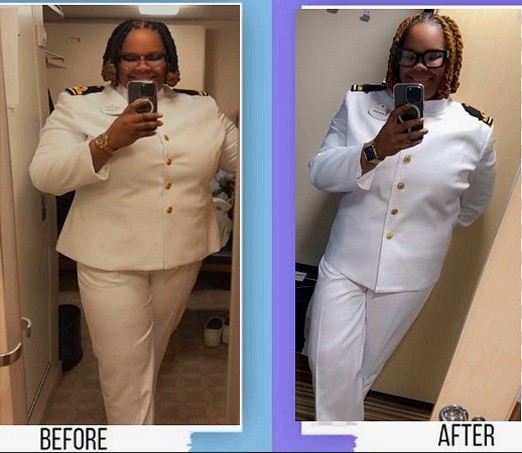


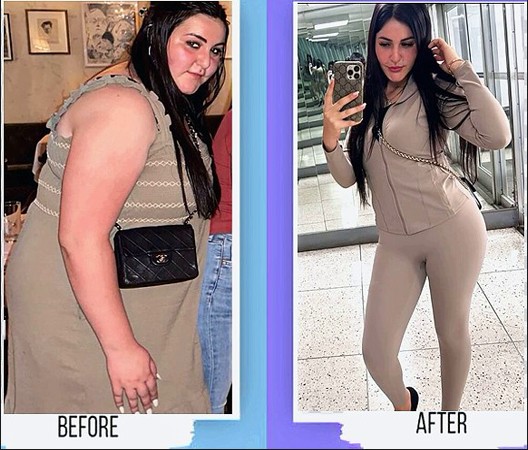

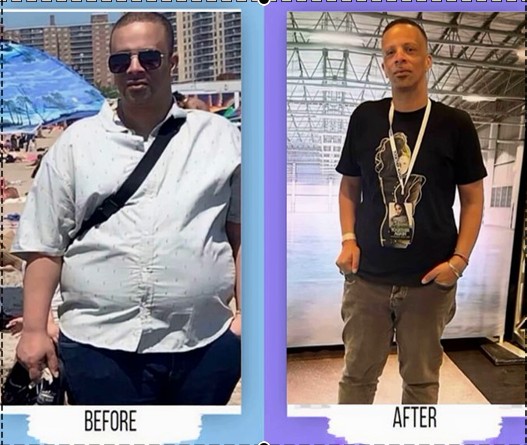
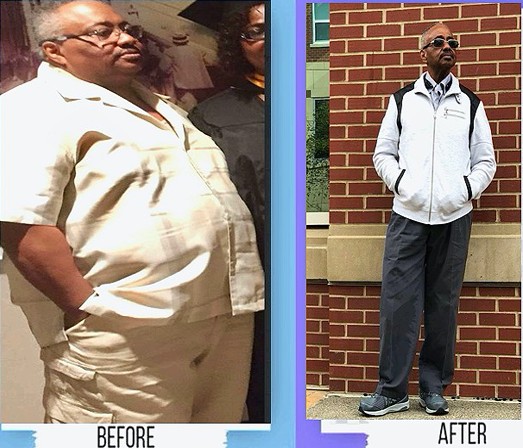



Individual results vary. Photographs reflect the experiences of individual patients and do not guarantee similar outcomes.




