PEPTIDE THERAPY
Belly fat is one of the most frustrating concerns for adults trying to improve their health. Even people who exercise regularly and follow a balanced diet often notice that fat around the abdomen becomes harder to lose with age. As a result, many patients search for information about Tesamorelin dosage for belly fat and how this peptide may fit into physician-guided treatment plans.
This guide explains how healthcare providers approach Tesamorelin dosing, why there is no universal dosage for every patient, what affects treatment recommendations, and why visceral fat is different from regular belly fat. We’ll also discuss lifestyle factors, treatment timelines, dosage calculators, and when it may be appropriate to speak with a qualified peptide therapy provider.
Tesamorelin is often discussed in relation to visceral abdominal fat and body composition. Whether treatment is appropriate depends on an individual medical evaluation and healthcare provider recommendations.
No. Healthcare providers determine treatment plans individually based on medical history, current medications, wellness goals, pharmacy preparation, and clinical evaluation.
Patients can use our Tesamorelin Dosage Calculator to estimate concentration, mL, syringe units, weekly schedule, and vial duration after reconstitution.
Visit our Tesamorelin Peptide Therapy page to learn more about eligibility, consultations, pricing, and treatment options.
When people talk about belly fat, they are often referring to two different types of fat. Subcutaneous fat sits just beneath the skin and can usually be pinched with your fingers. Visceral fat, on the other hand, surrounds internal organs deep inside the abdomen.
Healthcare providers frequently pay attention to visceral fat because it may be connected with metabolic health and overall wellness. While body weight is one measurement, body composition often gives a more complete picture of a person’s health.
This is one reason patients researching peptide therapy often ask about Tesamorelin. Rather than focusing only on the number shown on the scale, many are interested in improving body composition, supporting healthy aging, and maintaining an active lifestyle through physician-guided care.
Individuals who want to learn more about peptide-based wellness programs can also visit our Peptide Therapy Clinic to explore available treatment options.
Not all abdominal fat behaves the same way. Some belly fat is located directly beneath the skin, while visceral fat is stored deeper inside the abdomen. Understanding the difference can help patients have more productive conversations with their healthcare provider.
| Subcutaneous Belly Fat | Visceral Fat |
|---|---|
| Located beneath the skin | Located deeper around internal organs |
| Can often be pinched | Usually cannot be pinched |
| Often more visible externally | May be hidden despite normal-looking body size |
| Often discussed as a cosmetic concern | Often discussed in relation to metabolic health |
Because patients may have different amounts of subcutaneous and visceral fat, providers typically look at the full health picture rather than relying on body weight alone.
“Patients often come in frustrated because they are eating better and exercising, but their abdominal fat is not changing the way they expected. That is when a more personalized evaluation becomes important, because belly fat, visceral fat, hormones, metabolism, and lifestyle all need to be considered together.”
— Karla K. Mioduchoski, FNP-BC

One of the biggest misconceptions is that there is a single Tesamorelin dosage that works for everyone. In reality, healthcare providers develop individualized treatment plans based on each patient’s health history, goals, current medications, lifestyle, and clinical evaluation.
Rather than simply calculating a dose based on body weight, providers evaluate several factors that may influence treatment. These include abdominal body composition, previous weight management efforts, metabolic health, prescription medications, pharmacy preparation, and overall wellness goals.
Patients also receive education about injection technique, storage, reconstitution, follow-up appointments, and ongoing monitoring. This physician-guided approach helps ensure treatment remains safe and appropriate throughout the program.
Patients who have questions about syringe units, concentration, or mixing instructions can estimate these values using our Tesamorelin Dosage Calculator .
Patients often search online for a “standard” Tesamorelin dosage. While that would certainly make treatment easier, medicine rarely works that way.
Every patient has a different medical history, body composition, metabolism, activity level, and long-term wellness goal. In addition, pharmacy preparation, vial concentration, and reconstitution instructions may vary, which means syringe units are not always identical from one prescription to another.
This is one reason experienced providers emphasize individualized care instead of relying on generalized dosage advice found online.
Many adults notice that abdominal fat becomes increasingly difficult to lose after their 30s and 40s, even when their eating habits remain similar. Several natural changes occur over time that may influence body composition.
Because multiple factors contribute to abdominal fat, healthcare providers generally recommend combining medical treatment with long-term nutrition, exercise, and lifestyle improvements instead of relying on a single solution.
Even when patients are receiving physician-guided peptide therapy, healthy lifestyle habits continue to play a major role in long-term success.
Many providers encourage patients to focus on:
Rather than replacing healthy habits, physician-guided peptide therapy is generally viewed as one component of a comprehensive wellness strategy.
“One of the biggest misconceptions we hear is that patients simply need the ‘right dose.’ In reality, long-term success usually comes from combining individualized medical care with healthy nutrition, physical activity, and regular follow-up.”
— Dr. Rosemary Daly, D.O., DABPM
Many patients find dosage calculations confusing, especially when different vial strengths or reconstitution instructions are involved. Instead of performing manual calculations, a dosage calculator estimates concentration, mL per injection, syringe units, weekly usage, and approximate vial duration.
Although calculators can be helpful educational tools, they should never replace your prescription label or pharmacy instructions. The safest approach is to verify every dose with your healthcare provider before administering treatment.
Our Tesamorelin Dosage Calculator helps estimate dose conversions after reconstitution and is designed to support physician-guided care.
Learn more About: Can You Stop Tesamorelin Suddenly? A Physician Explains
As interest in peptide therapy has grown, so has the amount of information available online. Unfortunately, not all of it is accurate. Healthcare providers frequently see patients who are confused by conflicting dosage advice found on forums, social media, or bodybuilding websites.
Some of the most common mistakes include:
Using educational tools such as a dosage calculator may help patients better understand syringe measurements, but treatment decisions should always be based on professional medical advice.
If you’re researching Tesamorelin because you’re concerned about abdominal fat, body composition, or healthy aging, scheduling a medical consultation may help answer questions that online articles cannot.
A provider can review your medical history, medications, previous weight management efforts, body composition goals, and determine whether peptide therapy may be appropriate for your situation.
Patients interested in learning more can explore our Tesamorelin Peptide Therapy Program or schedule an evaluation through our Peptide Therapy Clinic .
Below are answers to some of the most frequently asked questions about Tesamorelin dosage, belly fat, reconstitution, syringe units, and physician-guided peptide therapy.
Not necessarily. Belly fat may include both subcutaneous fat beneath the skin and visceral fat surrounding internal organs. Healthcare providers may use body measurements, medical history, and other clinical information to better understand body composition.
Yes. Our Tesamorelin Dosage Calculator estimates concentration, syringe units, mL per injection, weekly schedule, and approximate vial duration after reconstitution.
No. Treatment recommendations are individualized based on medical history, wellness goals, provider evaluation, pharmacy preparation, and ongoing follow-up.
No. Patients should never increase, decrease, or change their prescribed dose without speaking with their healthcare provider.
Visit our Tesamorelin Therapy page to learn more about physician-guided treatment options.
Review our Tesamorelin Side Effects Timeline to learn about common questions, treatment expectations, and provider guidance.
“Patients are often surprised to learn that successful treatment is about much more than choosing the correct dose. Nutrition, exercise, sleep, follow-up appointments, and individualized medical care all contribute to long-term body composition goals.”
— Dr. Sergey Terushkin, MD, FACS
Continue learning about physician-guided peptide therapy with these educational resources:

Florida Surgery & Weight Loss Center offers physician-guided peptide therapy consultations for eligible adults interested in body composition, healthy aging, visceral fat management, and personalized treatment plans.
(954) 551-3508
Telehealth Available Throughout Florida • Online Consultations Available
This article is provided for educational purposes only and should not be considered medical advice. Tesamorelin is a prescription medication and should only be used under the supervision of a qualified healthcare provider. Individual treatment plans, dosing recommendations, and eligibility depend on medical history, provider evaluation, current medications, wellness goals, pharmacy preparation, and clinical appropriateness.


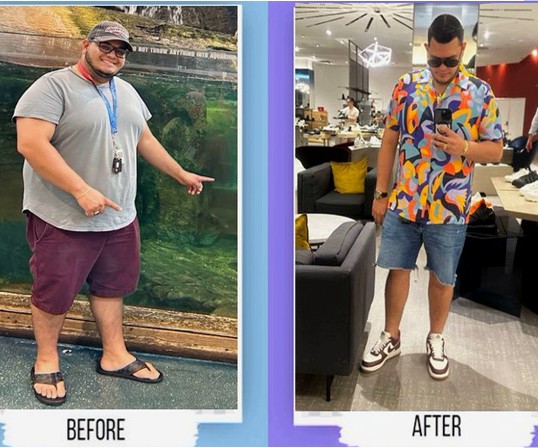
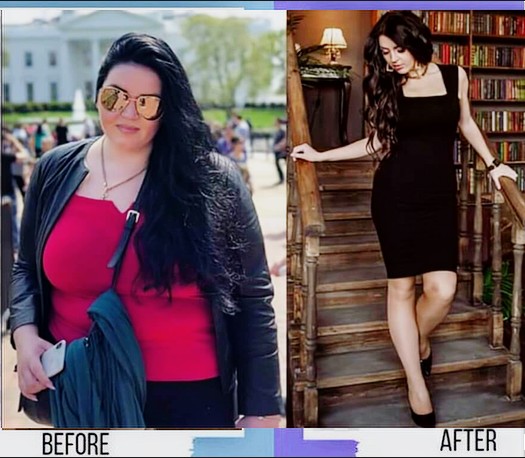
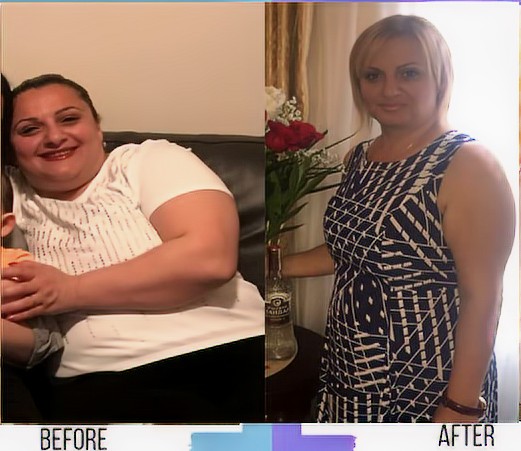
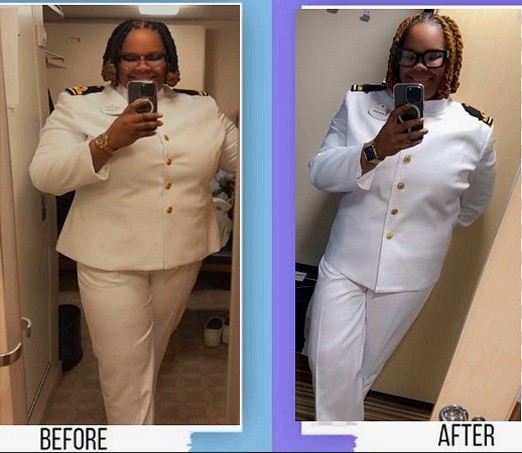
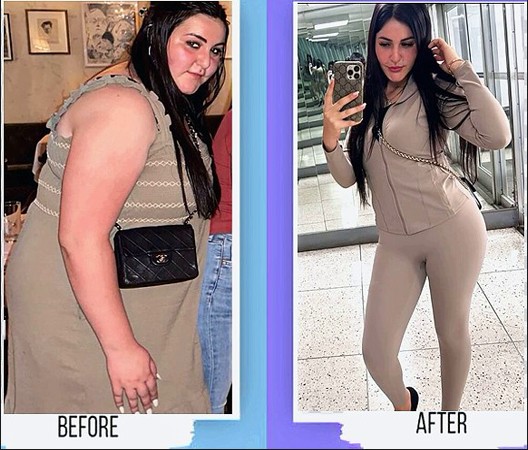
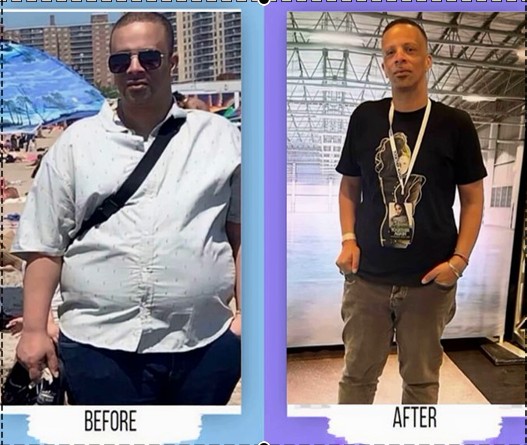
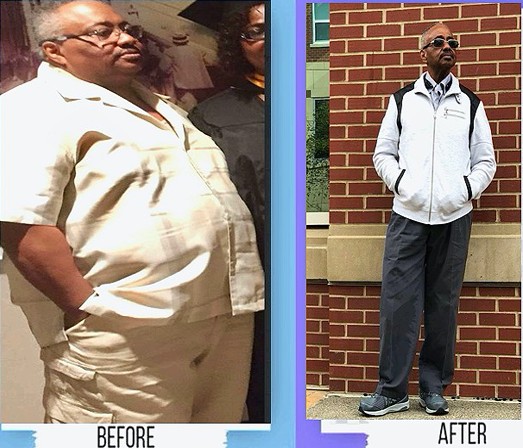
Real people, REAL RESULTS! Check out a few of the many people that we have helped reach their ideal weight goals over the years.