Weight loss surgery is a major procedure, so you’ll need to meet certain conditions before getting the surgery. You’ll also need to complete an in-depth preparation process.
In this article, we’ll discuss the requirements of weight loss surgery and how to get approved for the procedure.
Keep in mind the information presented here are general guidelines. Your surgical team will have the most relevant information for your personal requirements.
Weight loss surgery, or bariatric surgery, is a procedure that can treat obesity. The most common types include:
Gastric sleeve surgery, or sleeve gastrectomy, is a weight-loss procedure that involves the surgical reduction of the stomach size. During the surgery, a large portion of the stomach is removed, leaving behind a sleeve-shaped structure. This smaller stomach restricts the amount of food it can hold, leading to reduced calorie intake and, subsequently, weight loss. The procedure is effective in promoting significant weight loss and is often recommended for individuals struggling with obesity. Gastric sleeve surgery not only helps in weight reduction but also has positive effects on various obesity-related health issues, such as type 2 diabetes and hypertension. As with any surgical procedure, potential risks and benefits should be thoroughly discussed with a healthcare professional. You may lose from 50 to 90 pounds, but each person’s results will vary.
Gastric bypass surgery is a procedure that alters the digestive system to help people lose weight. It involves creating a small pouch from the upper part of the stomach and connecting it to the lower part of the small intestine, bypassing most of the stomach and the first part of the small intestine. This reduces the amount of food that can be eaten and the amount of calories and nutrients that can be absorbed.
Gastric Banding also known as the LAP-BAND was approved in 2001 by the FDA. The silicone band is placed around the upper part of the stomach. It has an inflatable balloon that cinches around the stomach and allows patients to be less hungry and to eat less at each meal. The band is inflated with saline using a needle that goes thru the skin into the band port. The port is secured under the skin so that nothing is visible. Percent of excess weight loss at five years is 50-55%. Follow-up is crucial with the band as adjustments are usually necessary the first year and sometimes in the second year as well.
a BMI of 40 or higher
a BMI of 35 or higher with serious health conditions due to obesity, like sleep apnea or type 2 diabetes
a BMI of 30 or higher with type 2 diabetes that’s difficult to manage
What’s BMI?
Body mass index (BMI) is a screening tool for overweight and obesity. It compares a person’s weight to what is considered “normal” for their height
In adults, obesity is diagnosed when BMI is 30 or higher, according to the Centers for Disease Control and Prevention (CDC).
In general, you may also be a good candidate for weight loss surgeries if the following scenarios apply to you:
You have tried nonsurgical methods, like medication and lifestyle changes, and have been unable to lose weight or maintain your ideal weight.
You understand the risks and benefits of the surgery.
1.You’re willing to continue lifestyle changes after the surgery, like eating and exercise habits.
2.You have considered the follow-up care required after surgery.
Psychological evaluation. To ensure you’re mentally ready for the procedure, you’ll need to meet with a psychologist. They will also consider your history of mental health conditions, such as depression and eating disorders.
Nutritional evaluation. A registered dietitian will explain the dietary changes you’ll need to make before and after surgery. If you have diabetes, you’ll also need to manage your blood glucose first.
Weight loss plan. To improve your outlook after the procedure, you’ll need to lose some weight before surgery.
Medical clearance. Your healthcare team will review your medical and surgical history and laboratory tests, which may influence weight loss after surgery. You’ll also need to be screened for sleep apnea and heart disease.
Presurgical imaging. If you’ve had past surgeries involving the gastrointestinal tract, your healthcare team might request certain imaging tests. This can help determine the best weight loss surgery for you.
Depending on your medical history and needs, you might need other evaluations not listed here.
In general, you may be required to lose 5 to 10 percent of your body weight before weight loss surgery. The exact percentage depends on your insurance requirements and procedure.
If you’re ready to feel healthy again, we’re ready to help you. You may have insurance coverage available to help cover the cost of surgery. Start the insurance verification process now.
Making the decision to have weight loss surgery isn’t one to take lightly. The experienced bariatric team at Florida Surgery & Weight Loss Center will evaluate your health and discuss your goals.
Don’t wonder any longer. If you’re considering weight loss surgery, contact us today to discuss your needs and determine which weight loss option is for you.
Please call (954) 551-3508 and speak with Patient Coordinator, or fill out the form at the top and we will contact you at your convenience.
We are an accomplished team of medical professionals in South Florida where surgical excellence, cutting-edge technology, and individualized weight loss treatments are defining qualities of our weight loss clinics. We are committed to guiding our patients in Miami and all over the state to choose the right procedure for them and giving them the tools they need to achieve a healthy weight and sustain it. We look forward to being part of your weight loss journey.
About Dr. Sergey Terushkin
Sergey Terushkin is a board certified general and bariatric surgeon practicing in New York, NY and Florida. He earned his medical degree from Ross University School of Medicine, interned at North Shore-LIJ Health System, and completed his residency at Maimonides Medical Center. Dr. Terushkin specializes in minimally invasive and bariatric surgery having graduated a fellowship at Cleveland Clinic. He uses cutting edge technology and individualized patient care.
A few of his most commonly performed procedures include laparoscopic gastric banding, laparoscopic sleeve gastrectomy, laparoscopic gastric bypass, laparoscopic gallbladder surgery, laparoscopic and open hernia repair, and removal of lipomas and cysts. He is a member of the American College of Surgeons and the Society for Metabolic and Bariatric Surgery.
Dr. Terushkin regularly attends meetings for various professional societies in order to stay current. Outside of work, Dr. Terushkin is passionate about fishing, skiing, and running. He often participates in community educational seminars and diabetes and obesity walks.
Florida Surgery and Weight Loss Center


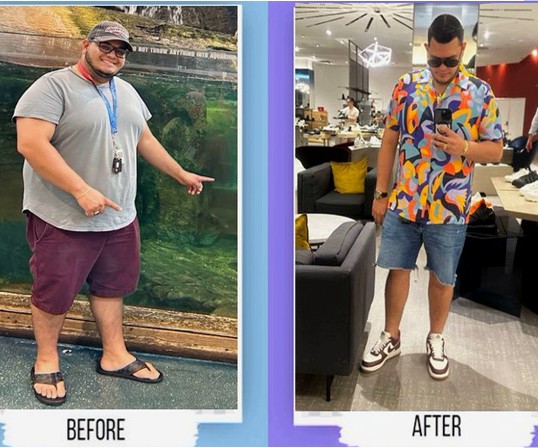
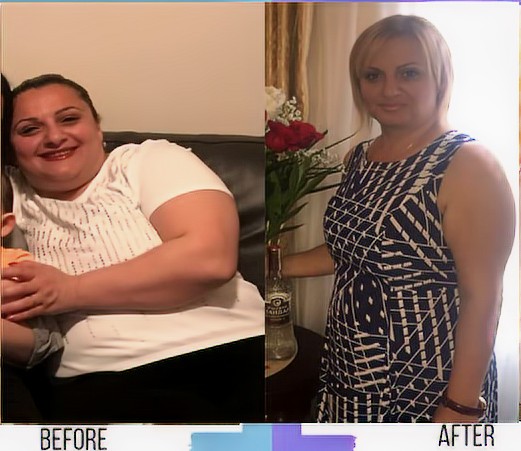
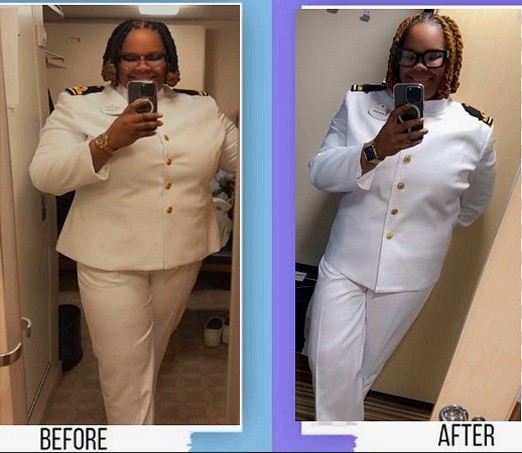
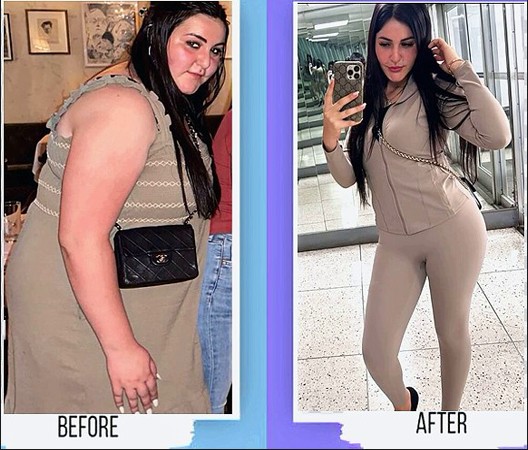
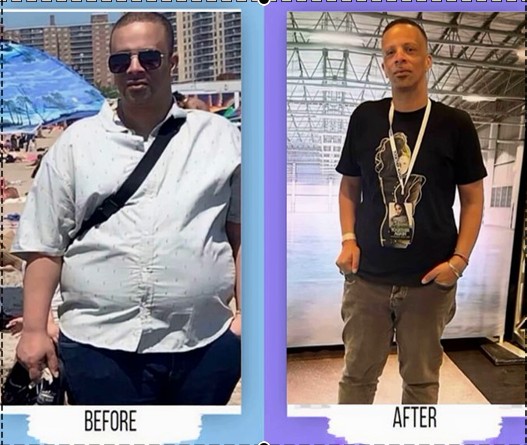
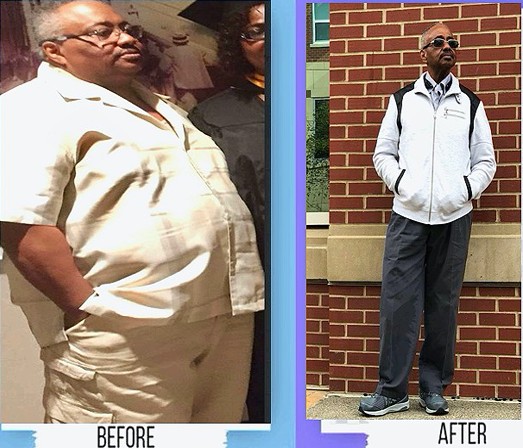
Real people, REAL RESULTS! Check out a few of the many people that we have helped reach their ideal weight goals over the years.