Author: Dr. Alexander Abdurakhmanov
Reviewed by: Dr. Terushkin, MD, FACS
Patients still search for phentermine every day. Some used it years ago. Some want something inexpensive and fast. Others are just comparing options.
At Florida Surgery & Weight Loss Center in Hollywood, FL, we hear these questions constantly.
Before we go further, one important clarification:
We do not prescribe phentermine at our clinic.
We focus on newer metabolic treatments such as Tirzepatide.
That said, here’s exactly how phentermine works — including how dosing typically works.
Phentermine is a prescription appetite suppressant approved in 1959 for short-term weight loss.
It’s a stimulant. It works in the central nervous system to reduce hunger signals.
It is FDA-approved for short-term use, usually up to 12 weeks.
Phentermine stimulates norepinephrine release in the brain. That activates the hypothalamus, which regulates appetite.
The effect is straightforward:
You feel less hungry.
You eat smaller portions.
You snack less between meals.
It does not directly burn fat. It helps create a calorie deficit by reducing appetite.
Some patients feel increased energy. Others feel jittery. The stimulant effect varies from person to person.
Phentermine comes in several dose forms.
The most common doses include:
• 37.5 mg tablets (most frequently prescribed)
• 30 mg capsules
• 15 mg capsules
• 8 mg tablets (lower-dose formulations taken multiple times daily in some cases)
Most providers prescribe 37.5 mg once daily, taken in the morning before breakfast.
Some patients start lower — such as 15 mg — especially if they are sensitive to stimulants.
The medication is usually taken:
• Once daily in the morning
• Or sometimes split into smaller doses earlier in the day
It should not be taken late in the afternoon or evening because insomnia is common.
No.
37.5 mg daily is generally considered the maximum recommended dose.
Increasing the dose does not significantly increase weight loss. It increases side effects:
Higher heart rate
Higher blood pressure
More anxiety
More insomnia
When patients hit a plateau, the issue is rarely “not enough medication.” It’s usually dietary drift or metabolic adaptation.
More stimulant is not the solution.
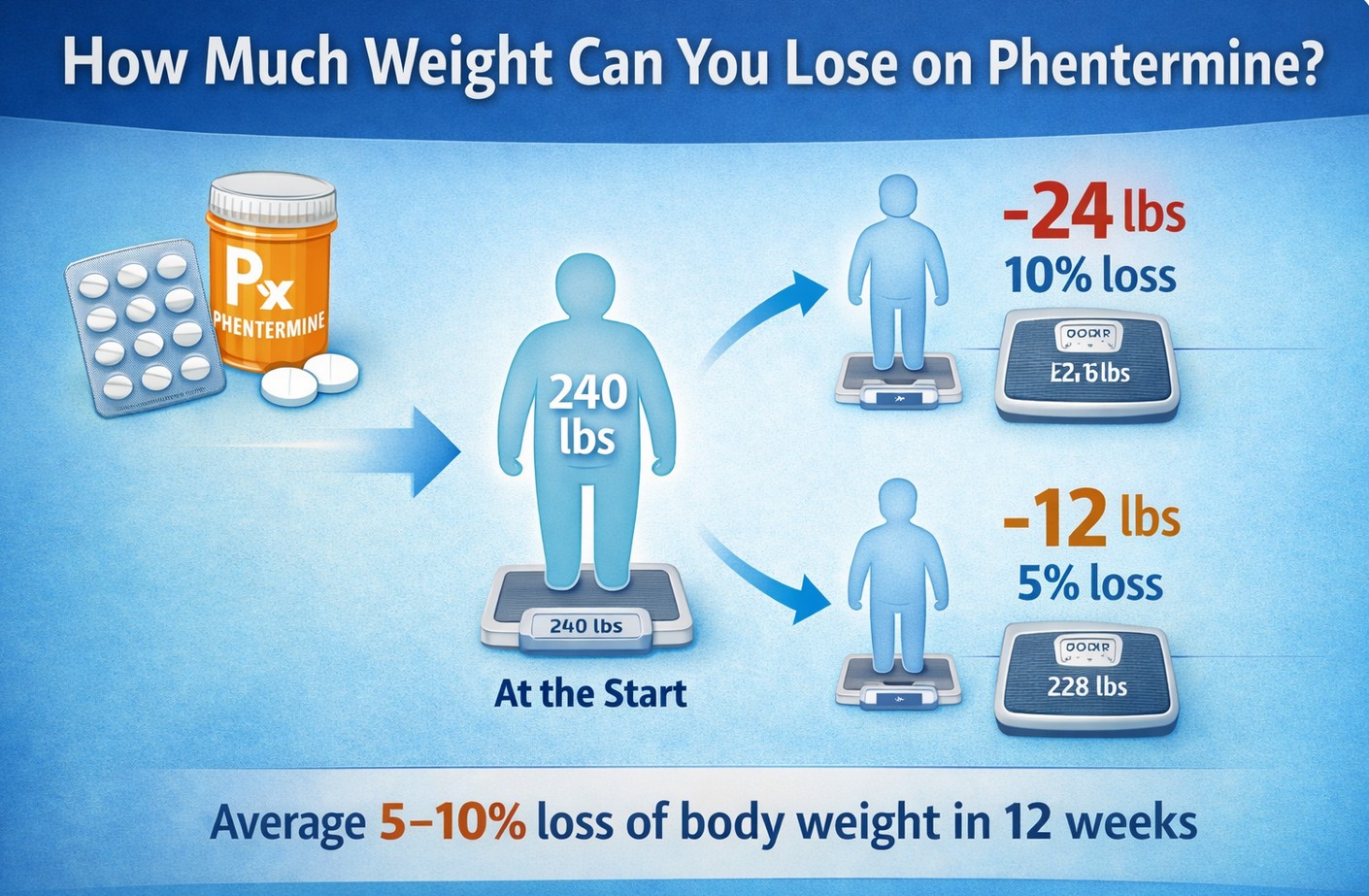
Clinical data shows average weight loss of about 5–10% of total body weight over 12 weeks.
If someone weighs 240 pounds, that’s around 12–24 pounds over three months.
After discontinuation, appetite often returns. Without a structured maintenance plan, weight regain is common.
That’s one reason stimulant-only therapy has limitations.
Read More About: GLP-1 Tirzepatide: How Long to Lose 10–70 Pounds? A Board-Certified Weight Loss Specialist Explains
Patients like it because:
It works quickly.
It reduces appetite within days.
It’s available in oral tablet form.
It’s less expensive than newer medications.
But it does not improve insulin resistance. It does not regulate GLP-1 pathways. It does not directly correct metabolic dysfunction.
It suppresses appetite. That’s its job.
Because it’s a stimulant, side effects are predictable.
Common side effects include dry mouth, insomnia, increased heart rate, elevated blood pressure, constipation, nervousness, and headaches.
Some patients feel focused and energized. Others feel restless.
Higher doses increase side effects.
More serious risks can include palpitations, chest pain, or significant blood pressure elevation. That’s why screening is important.
Women may experience stronger stimulant sensitivity.
Sleep disturbance and anxiety can feel more pronounced. In rare cases, menstrual irregularities may occur.
It should never be used during pregnancy or breastfeeding.

Yes.
Phentermine is classified as a Schedule IV controlled medication in the United States due to potential misuse and dependency risk.
Prescriptions require medical supervision and regulation.
At Florida Surgery & Weight Loss Center, we focus on long-term metabolic correction.
Tirzepatide works through GLP-1 and GIP receptors. It improves insulin sensitivity, slows gastric emptying, reduces appetite naturally, and addresses hormonal drivers of obesity.
Patients often lose 15–22% of body weight over time.
It’s not a stimulant. It doesn’t rely on increasing heart rate.
That’s why we do not provide phentermine.
Different mechanism. Deeper metabolic impact.

Some people confuse phentermine with “theremin.”
A Theremin is an electronic instrument played without physical contact, often used in sci-fi soundtracks.
It has nothing to do with weight loss.
Phentermine is a short-term stimulant appetite suppressant.
Common dose: 37.5 mg daily.
Average weight loss: 5–10% over 12 weeks.
It is a controlled substance.
At Florida Surgery & Weight Loss Center, we do not prescribe phentermine. We focus on tirzepatide-based medical weight loss programs designed for deeper metabolic control and more sustainable outcomes.
If you’re comparing weight loss medications, schedule a consultation with our team. We’ll review your goals, medical history, and determine the safest, most effective strategy for you.

This article is for informational purposes only and is not medical advice. Always consult a licensed healthcare provider before starting, stopping, or changing any weight loss medication. Individual results and risks vary based on your medical history and health status.


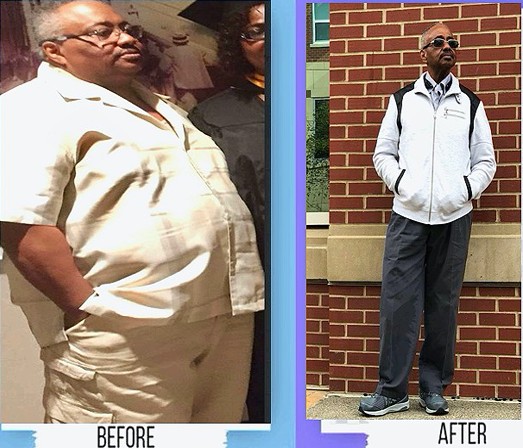
Real people, REAL RESULTS! Check out a few of the many people that we have helped reach their ideal weight goals over the years.