Authored by:
Sergey Terushkin, MD, FACS, FASMBS, DABOM, DABS-FPMBS
Key Takeaways
When you start a powerful metabolic medication like Mounjaro (Tirzepatide) or Zepbound, you expect certain changes. You expect significant appetite suppression. You likely expect some initial nausea as your body adjusts to the new hormone levels.
But for many patients, the most disruptive side effect isn’t the nausea—it is the constipation.
In clinical trials like SURMOUNT-1, approximately 6% to 7% of patients reported constipation, but in real-world clinical practice, we see this number much higher. It is one of the top reasons patients call our office in distress. The good news? It is almost always manageable without stopping the medication.
At Florida Surgery and Weight Loss Center, we believe in proactive management. Here is the deep dive into why this happens to your body and the exact medical protocol to fix it.
To solve the problem, you have to understand the biology behind it. Tirzepatide is unique because it is a “dual agonist”—it mimics two natural hormones in your body:
One of the primary ways GLP-1 medications help you lose weight is by physically slowing down your digestion. They signal the stomach to retain food longer (delayed gastric emptying) and the small intestine to slow its contractions (motility).
Your colon has a specific job: to reabsorb water from your waste. The longer stool sits in your colon (due to slow motility caused by Tirzepatide), the more water is sucked out of it. By the time it reaches the exit, it has become hard, dry, and difficult to pass.
This is the most overlooked factor. GLP-1 receptors in the brain regulate thirst as well as hunger. Many patients report that they simply “forget” to drink water because their brain isn’t sending the signal.

When patients get constipated, their first instinct is often to load up on bulk fiber supplements like Metamucil. Proceed with caution.
Because your digestion is already slowed by the GLP-1 agonist, dumping a large amount of bulk-forming fiber into your stomach without enough water can make the blockage worse. It can form what we call a bezoar, or a “fiber brick,” in the gut, leading to painful bloating and gas.
The Strategy:
If you are struggling to “go,” do not wait for it to become an emergency. We recommend a stepped approach. Start with Step 1 and move down only if needed.
You cannot fix Mounjaro constipation without water. Your goal should be 80 to 100 ounces of clear fluids daily.
Magnesium is a natural muscle relaxant that also draws water into the intestines.
If water isn’t enough, add a stool softener like Colace.
If you haven’t gone in 2 days, it is time for Miralax.

While constipation is a common side effect, Bowel Obstruction or Ileus (where the gut stops moving entirely) is a rare but serious medical emergency associated with GLP-1 use.
You must contact our office or seek urgent care if:
Note: If you have severe constipation, we may recommend holding your next Mounjaro injection for a few days to let your gut recover.
For most patients, the constipation is worst during the first 3 months of treatment or during dosage increases (e.g., moving from 5mg to 7.5mg). Your body does adjust. The goal is to build a routine—morning water, daily movement, and mindful eating—that keeps you regular without needing constant laxatives.
Your weight loss journey should be healthy, not painful.
If you are struggling with side effects, do not suffer in silence. We can adjust your dose, recommend specific protocols, or explore alternative treatments.
Florida Surgery and Weight Loss Center Dr. Sergey Terushkin, MD, FACS 📞 (954) 551-3508 📍 1911 Harrison Street, Hollywood, FL 33020

Yes. Both Ozempic (Semaglutide) and Mounjaro (Tirzepatide) are GLP-1 receptor agonists (Mounjaro adds GIP). Both slow gastric emptying and can cause significant constipation. The management protocol is the same for both medications.
For short periods, yes. Polyethylene Glycol (Miralax) is generally considered safe for daily use to get you through a rough patch. However, if you need it every single day for months, we need to discuss your diet and hydration or consider lowering your medication dose.
Absolutely. Your intestines are smooth muscle. Walking, jogging, or yoga stimulates “peristalsis”—the wave-like contractions that push food through your gut. A sedentary lifestyle will always make GLP-1 constipation worse.
It sounds contradictory, but some patients experience “overflow diarrhea.” This happens when hard stool creates a blockage, and only liquid waste can leak around it. Alternatively, if you eat a very high-fat meal, the medication can cause rapid dumping.
Do not stop “cold turkey” without medical advice. Often, skipping one week or lowering the dose is enough to resolve the issue. Stopping completely might cause you to regain weight or lose the metabolic benefits you’ve achieved.
Medical Disclaimer
Educational Purposes Only: Content on this site is for informational purposes only and is not a substitute for professional medical advice, diagnosis, or treatment. Always consult Dr. Terushkin or a qualified provider before starting any new medication or supplement, especially laxatives. Emergencies: If you have severe abdominal pain or vomiting, seek immediate medical attention.


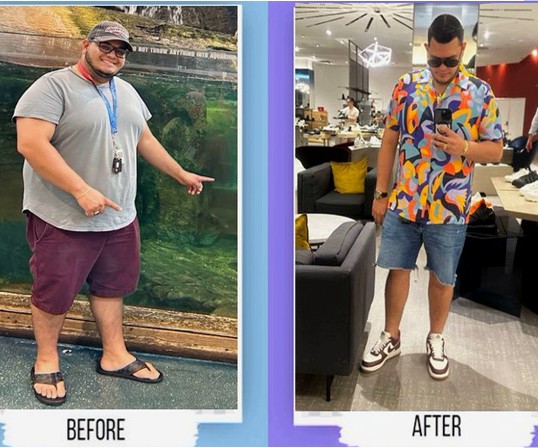
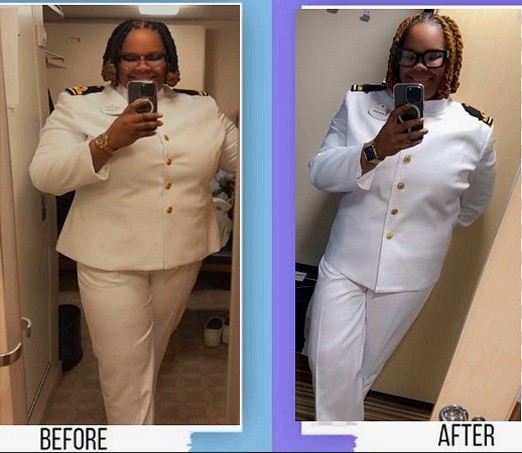
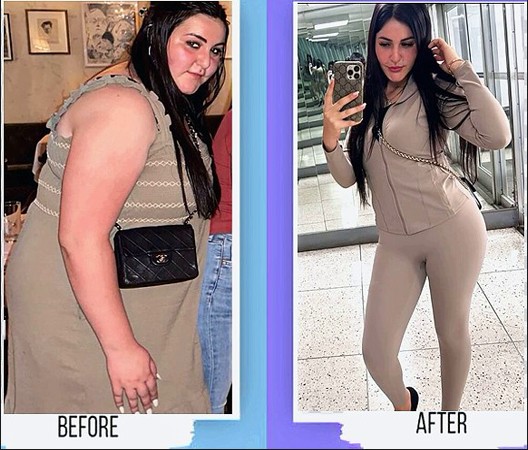
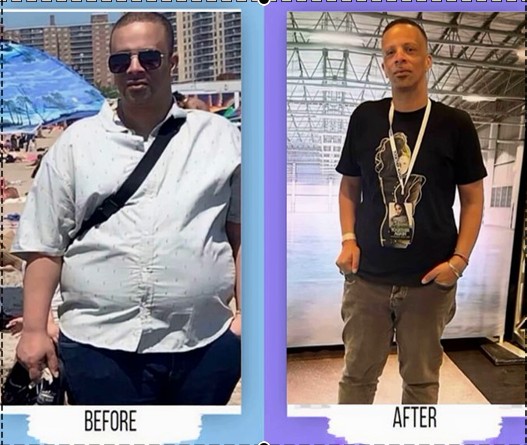
Real people, REAL RESULTS! Check out a few of the many people that we have helped reach their ideal weight goals over the years.