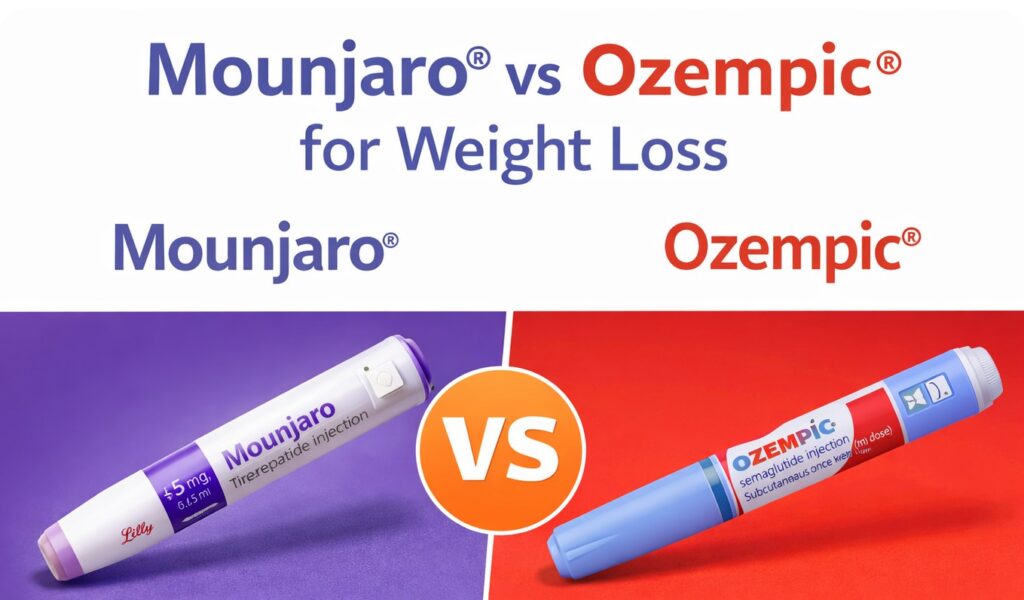
Trying to choose between Mounjaro® and Ozempic® for weight loss? The differences go beyond brand names — from side effects and BMI requirements to insurance coverage and real results, here’s what patients need to know in 2026.
Safety • Side Effects • BMI Requirements • Insurance Coverage • Before & After Results
Author: Dr. Sergey Terushkin, MD, FACS
If you are deciding between Mounjaro® and Ozempic® for weight loss in 2026, the key difference is that tirzepatide (Mounjaro®) activates two metabolic pathways (GIP + GLP-1), while semaglutide (Ozempic®) activates one (GLP-1) — which may impact weight loss outcomes and tolerability.
Mounjaro contains tirzepatide, a dual GIP and GLP-1 receptor agonist approved for type 2 diabetes. For chronic weight management, tirzepatide is also marketed as Zepbound.
Mounjaro® (tirzepatide) – FDA Drug Approval & Label (official prescribing info and safety details)
Ozempic contains semaglutide, a GLP-1 receptor agonist approved for type 2 diabetes. A higher-dose version for weight management is available as Wegovy.
FDA Prescribing Information for Ozempic® (semaglutide)

| Feature | Mounjaro® | Ozempic® |
|---|---|---|
| Ingredient | Tirzepatide | Semaglutide |
| Hormone Targets | GIP + GLP-1 | GLP-1 only |
| FDA Approval | Type 2 Diabetes | Type 2 Diabetes |
| Weight Loss Version | Zepbound™ | Wegovy™ |
| Avg Weight Loss (Trials) | Higher in some studies | Moderate–High |
| Injection Frequency | Weekly | Weekly |
Both medications are generally safe when prescribed and monitored by a licensed physician. Safety depends on:
Both carry boxed warnings regarding thyroid C-cell tumors observed in animal studies.
There is no universally “safer” option — the best choice is individualized.

Most side effects improve with proper dose titration.
Most medical weight loss programs require:
Final eligibility depends on physician evaluation.
Clinical trials have shown:
Individual results vary based on dose, adherence, diet, activity level, and metabolic health.
Read More About: Physician-Supervised Online Weight Loss Clinic in Florida

Many patients explore:
Coverage varies by insurer and policy year.
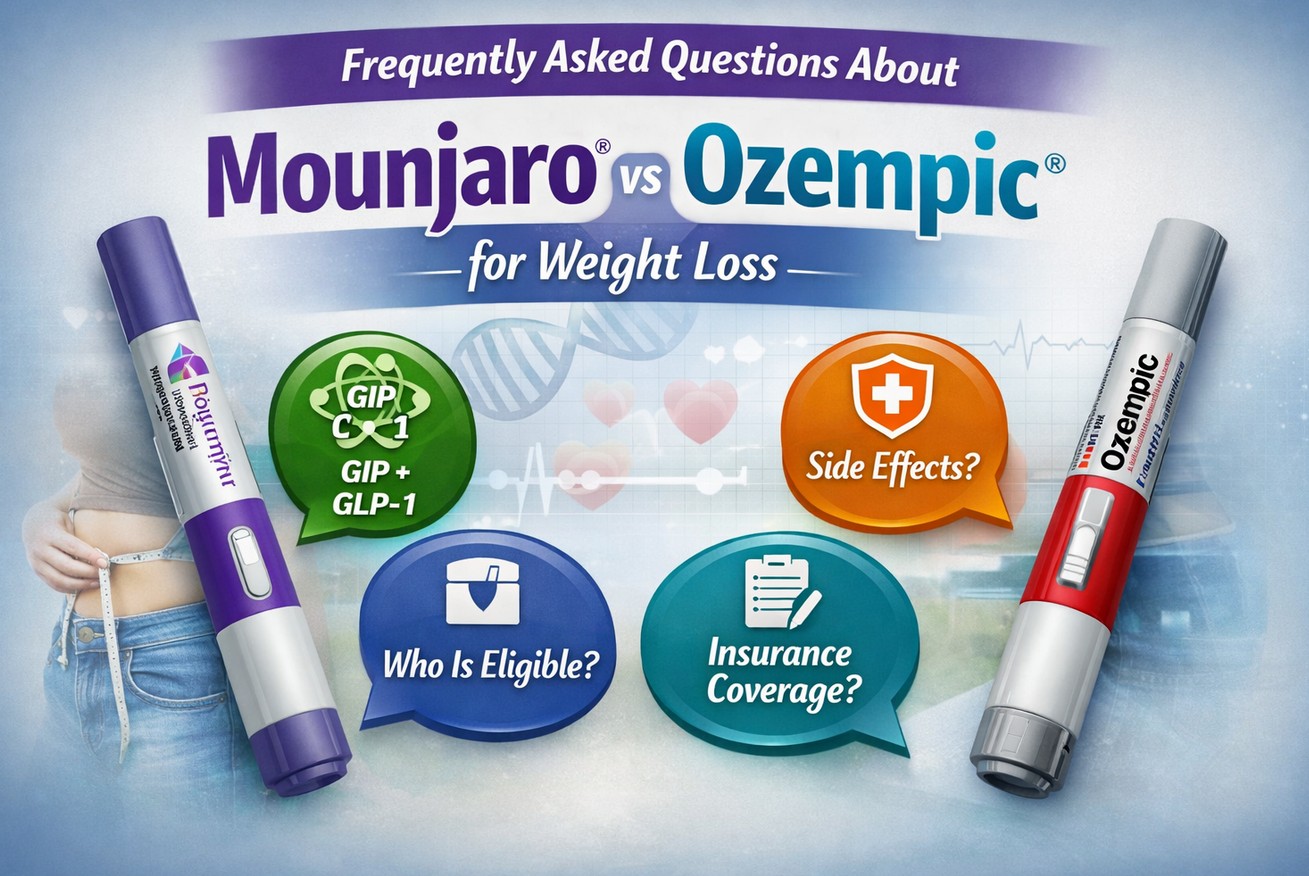
A full medical evaluation is required before prescription.
Useful Links:
Weight loss medications should always be prescribed under medical supervision with proper monitoring, lab evaluation, and dose adjustments.
Dr. Sergey Terushkin, MD, FACS
Board-Certified Physician
Metabolic & Weight Management Specialist
This article is for educational purposes only and does not replace medical advice. Prescription required. Individual results vary.
Florida Surgery and Weight Loss Center 📞 (954) 551-3508

Medical Disclaimer
This content is for informational and educational purposes only and does not constitute medical advice. Mounjaro® (tirzepatide) and Ozempic® (semaglutide) are prescription medications that require evaluation and supervision by a licensed healthcare provider. Treatment eligibility depends on individual medical history, BMI, and health conditions. Results vary. Always consult a qualified medical professional before starting, stopping, or changing any medication.


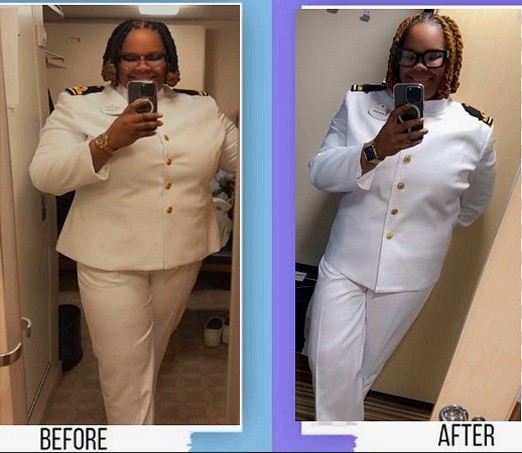
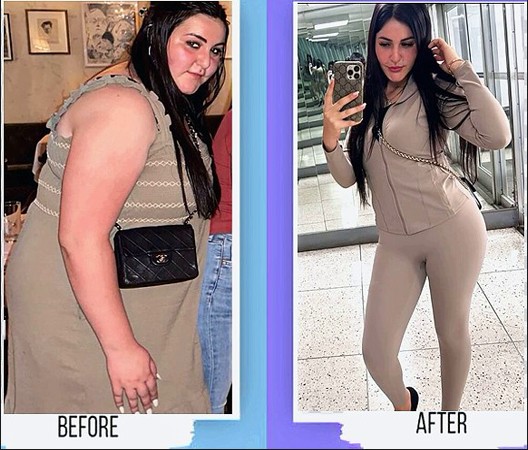
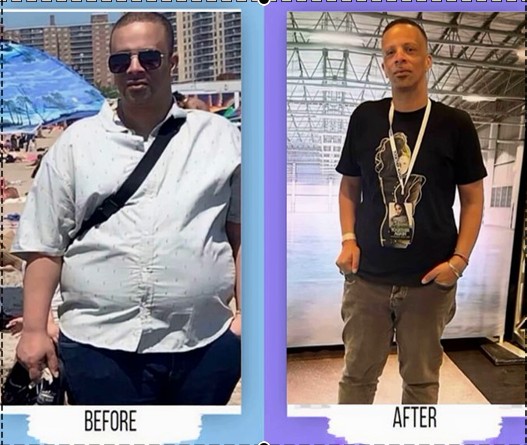
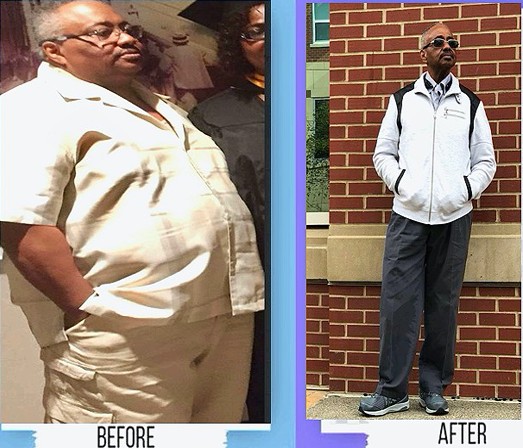
Real people, REAL RESULTS! Check out a few of the many people that we have helped reach their ideal weight goals over the years.