Author: Florida Surgery & Weight Loss | Dr. Sergey Terushkin, MD, FACS
Hormone Replacement Therapy (HRT) and Weight: Modern research indicates that HRT does not cause weight gain. It may help manage the accumulation of abdominal fat associated with menopause.
The True Causes of Menopausal Weight Gain: Weight gain during menopause is primarily due to a natural slowdown of metabolism, loss of muscle mass, lifestyle changes, and increased insulin resistance, not HRT.
Holistic Weight Management: Sustainable success requires a comprehensive strategy combining a healthy diet, regular exercise, and potentially medical or surgical interventions, such as those offered at Florida Surgery & Weight Loss Center.
Personalized Medical Advice: Decisions about HRT and weight loss should always be made in consultation with a board-certified professional.
As a surgeon dedicated to helping my patients achieve sustainable health and wellness, I frequently discuss the complex relationship between hormones, metabolism, and weight. A common concern, especially for women in perimenopause and menopause, is the connection between hormone replacement therapy (HRT) and weight gain. This is a topic surrounded by misinformation, and my goal today is to provide clear, medically sound information to help you navigate this important aspect of your health.
Many women observe weight gain, particularly around the midsection, as they approach and enter menopause. This is often, and incorrectly, attributed to the hormones used in menopause HRT. The scientific evidence, however, reveals a more accurate picture.

To understand how HRT relates to weight, we must first recognize the physiological role of hormones. Estrogen, for instance, is more than a reproductive hormone; it influences fat storage, insulin sensitivity, and overall metabolic rate. As estrogen levels naturally decline during menopause, many women experience a shift in fat distribution from their hips and thighs to their abdomen. This deep, abdominal fat is known as visceral fat and is linked to a higher risk of conditions like heart disease and type 2 diabetes.
Similarly, other hormones like progesterone, testosterone, and thyroid hormones are also crucial. A drop in progesterone can affect fluid balance and cause bloating, while a decrease in testosterone can lead to a loss of lean muscle mass, which directly slows down metabolism. Thyroid function imbalances can further complicate weight management.
This is the most critical question. For many years, outdated and flawed studies suggested a link between HRT and weight gain. However, more recent and robust research has thoroughly debunked this idea.
A landmark study, the Women’s Health Initiative (WHI), found no significant increase in weight among women on HRT compared to those on a placebo. Some studies indicate that HRT might help prevent the rise in abdominal fat commonly seen during menopause. By stabilizing hormone levels, HRT can mitigate some of the metabolic shifts that contribute to weight gain. For example, maintaining consistent estrogen levels can help preserve muscle mass, preventing the dramatic metabolic slowdown often experienced.
The conclusion is clear: HRT doesn’t cause weight gain. Instead, it can help counteract the hormonal changes that are the true underlying cause of weight challenges during menopause. The weight gain during this life stage is more likely a result of natural aging processes and lifestyle factors.

It’s vital to focus on the actual drivers of weight gain during menopause. These factors include:
As we age, our resting metabolic rate (RMR) naturally slows down. This means our bodies burn fewer calories at rest. Additionally, sarcopenia—the age-related loss of muscle mass—significantly impacts metabolism, as muscle tissue burns more calories than fat.
Many individuals become less physically active as they get older. This decrease in activity, combined with unchanged dietary habits, creates a caloric surplus and leads to weight gain. Hormonal fluctuations can also increase insulin resistance, making it harder for the body to use glucose for energy and promoting fat storage.
Nutritional Guidance:
A diet rich in lean protein, healthy fats, and complex carbohydrates helps promote satiety and metabolic health.
Structured Exercise:
A combination of cardiovascular and strength training is crucial. Cardio supports heart health, while strength training builds and preserves the muscle mass essential for a healthy metabolism.
Medical Weight Management:
For some patients, medical supervision and prescription medications provide the necessary support to achieve weight loss safely and effectively
Advanced Bariatric and Endoscopic Procedures:
For patients with a BMI of 30 or higher who have not found success with other methods, our center offers advanced procedures like laparoscopic sleeve gastrectomy or endoscopic sleeve gastroplasty. These interventions are powerful tools that can significantly and sustainably reset the body’s hormonal balance and metabolic function, leading to long-term health improvements.
Q: Will I need to change my diet or exercise routine if I start HRT?
A: Yes. HRT is a supportive therapy, not a replacement for a healthy lifestyle. A balanced diet and regular exercise are fundamental for achieving and maintaining a healthy weight.

Q: Will I need to change my diet or exercise routine if I start HRT?
A: Yes. HRT is a supportive therapy, not a replacement for a healthy lifestyle. A balanced diet and regular exercise are fundamental for achieving and maintaining a healthy weight.
Q: Can HRT help me lose the weight I gained during menopause?
A: HRT is not a primary weight loss treatment. However, by helping to prevent further weight gain and the accumulation of abdominal fat, it can be a beneficial component of a comprehensive weight management plan.
Q: What are the risks associated with HRT?
A: The risks of HRT are unique to each individual. They depend on your personal health history and the specific type of therapy. A thorough medical evaluation with a qualified professional is always necessary to determine if the benefits outweigh the risks for you.
Q: How do I know if HRT is right for me?
A: This decision should be made in consultation with a qualified healthcare provider. They will evaluate your symptoms, medical history, and risk factors to determine if HRT is a safe and appropriate option.
At Florida Surgery & Weight Loss Center, we are dedicated to providing personalized, expert care. Whether you are exploring HRT, medical weight management, or a surgical solution, our team, led by a board-certified, fellowship-trained surgeon with over a decade of experience, is here to guide you toward a healthier, happier life.

This blog post is grounded in current medical consensus and research. The information presented is based on data from a variety of credible sources, including:

Disclaimer:
The information provided on this page is for educational and informational purposes only and is not intended as medical advice. Hormone Replacement Therapy (HRT) may not be suitable for everyone and should only be pursued under the guidance of a licensed healthcare provider. Results may vary based on individual health conditions, medical history, and treatment adherence. Always consult with a qualified medical professional before starting or modifying any hormone therapy. Florida Surgery and Weight Loss Center does not guarantee specific outcomes and assumes no liability for patient results.


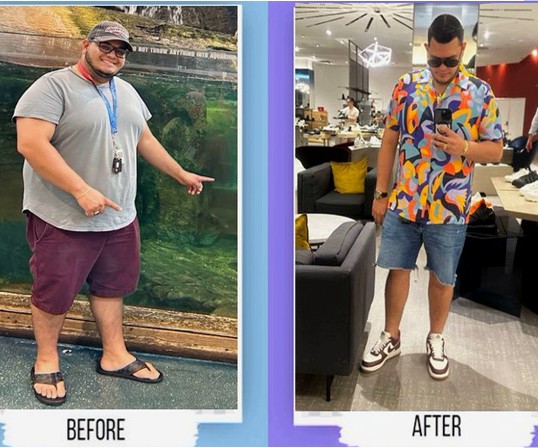
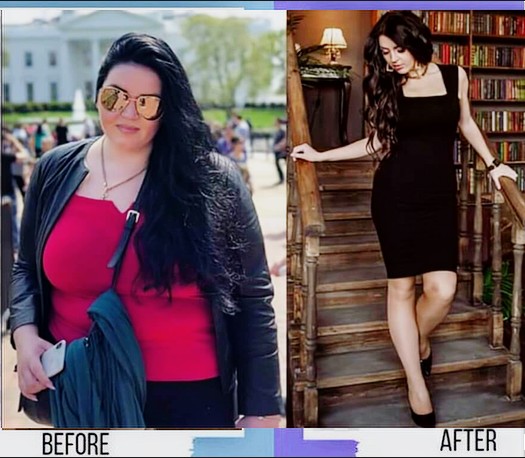
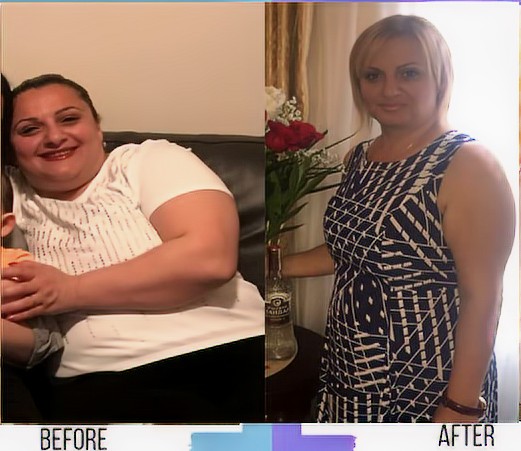
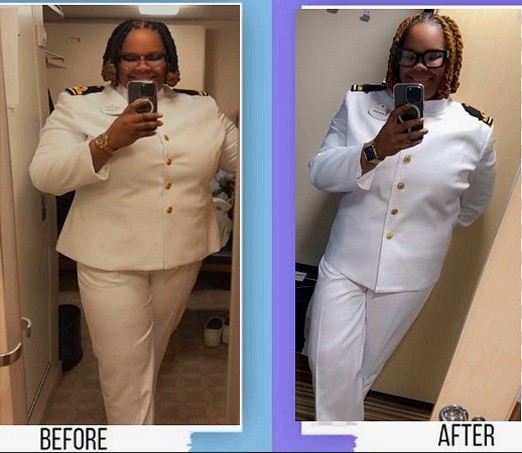
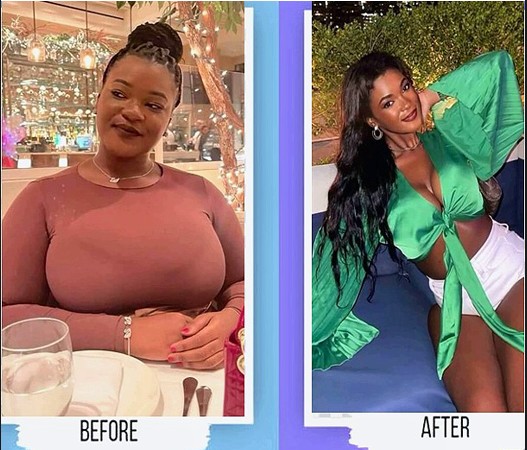
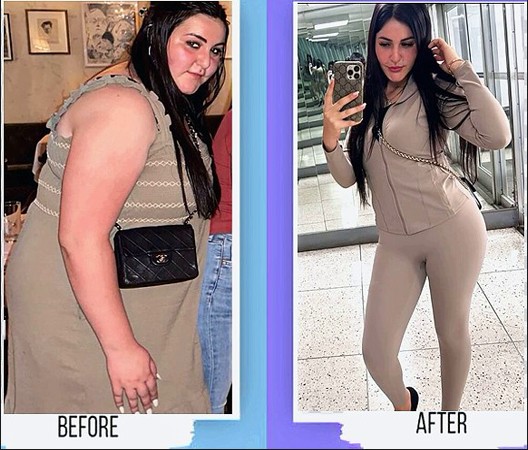
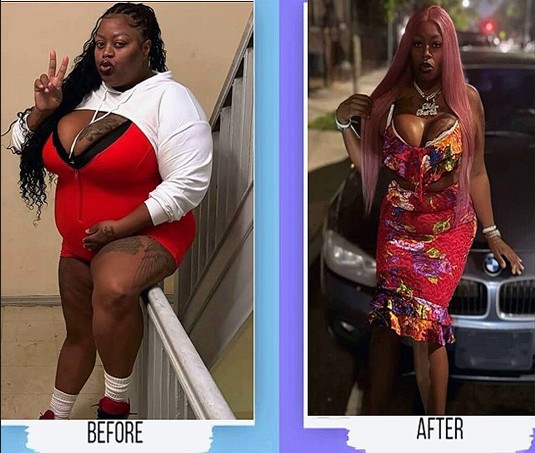
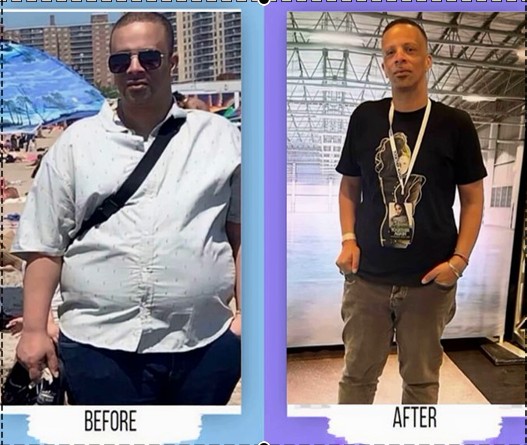
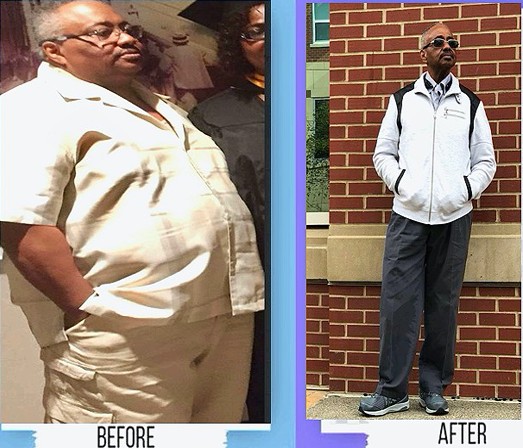
Real people, REAL RESULTS! Check out a few of the many people that we have helped reach their ideal weight goals over the years.