Authored by: Karla K. Mioduchoski, FNP-BC Board-Certified Family Nurse Practitioner & Hormone Specialist
Key Takeaways
Florida Surgery and Weight Loss Center provides comprehensive men’s health services, including medically supervised hormone optimization.
For men suffering from Low Testosterone (Hypogonadism), the symptoms—chronic fatigue, brain fog, weight gain, and low libido—can be debilitating. Testosterone Replacement Therapy (TRT) offers a life-changing solution that restores energy and vitality. However, like any powerful medical intervention, it comes with potential side effects.
Under the guidance of Karla K. Mioduchoski, FNP-BC, our goal is to maximize the benefits of TRT while strictly managing the risks. Here is an honest look at what happens to your body on TRT and how we manage it.
When you first introduce exogenous testosterone into your system, your body goes through an adjustment period. Most immediate side effects are cosmetic or mild and tend to resolve as your hormones stabilize.
| Side Effect | Why It Happens | Management Strategy |
| Acne / Oily Skin | Testosterone stimulates the sebaceous glands to produce more oil. | Use salicylic acid body wash; adjust dosage frequency to prevent hormonal “spikes.” |
| Fluid Retention | Mild water retention can occur due to sodium changes. | Increase water intake; reduce salt; monitor blood pressure. |
| Breast Tenderness | Excess testosterone can convert into estrogen (Estradiol). | We monitor estrogen levels and may prescribe an aromatase inhibitor if needed. |
| Sleep Apnea Worsening | TRT can relax airway muscles or change respiratory drive during sleep. | Patients with untreated sleep apnea must use their CPAP machine diligently. |

One of the most clinically significant side effects of Testosterone Replacement Therapy is a condition called Polycythemia (or Erythrocytosis).
Testosterone stimulates the bone marrow to produce red blood cells. While this can help with anemia and energy, too many red blood cells can make the blood “thick” (viscous).
This is the most misunderstood aspect of TRT. Many men believe testosterone will make them more fertile. The opposite is true.
When you take testosterone from an outside source (injection, cream, or pellet), your brain sends a signal to your testicles: “We have plenty of testosterone now, you can take a break.”
Can this be managed? Yes. For younger men or those who wish to maintain fertility, we can incorporate other medications (such as hCG or Clomid) alongside TRT to keep the testicles active and maintain sperm production.

For decades, there was a medical myth that Testosterone Replacement Therapy causes prostate cancer. Modern medical consensus has largely debunked this.
It surprises many patients to learn that men need Estrogen, too—just in small amounts. However, the male body naturally converts a percentage of testosterone into estrogen through a process called aromatization.
If your testosterone levels get too high, your estrogen levels may spike along with them.
Testosterone Replacement Therapy is generally safe when managed by a medical professional. The horror stories often come from bodybuilders or recreational users taking “supra-physiological” doses (steroid abuse) without bloodwork.
At Florida Surgery and Weight Loss Center, we practice Hormone Optimization, not doping. Our goal is to bring your levels back to a healthy, youthful range—giving you the benefits of energy and libido while keeping side effects to a minimum.
Ready to get your energy back? Contact us today to schedule your comprehensive blood panel and consultation with Karla K. Mioduchoski, FNP-BC

It is possible. Testosterone converts to DHT (Dihydrotestosterone), which is the hormone responsible for male pattern baldness. If you are genetically predisposed to balding, TRT may accelerate the process. We can discuss options to mitigate this if it is a concern.
No. “Roid rage” is associated with massive, illegal doses of anabolic steroids. Therapeutic TRT aims to restore normal, healthy levels. In fact, most men report improved mood and less irritability once their low testosterone is treated.
Generally, yes. TRT does not “cure” low testosterone; it treats it. If you stop therapy, your levels will eventually drop back to their natural (low) baseline, and symptoms will return.
Yes. Testosterone is crucial for building lean muscle and burning fat. When combined with diet and exercise, correcting low T can significantly speed up weight loss and improve body composition.
Medical Disclaimer
Educational Purposes Only: Content on this site is for informational purposes only and is not a substitute for professional medical advice, diagnosis, or treatment. Always consult Karla K. Mioduchoski, FNP-BC, Dr. Terushkin, or a qualified provider before starting any hormone therapy. Risks and results vary by individuals.


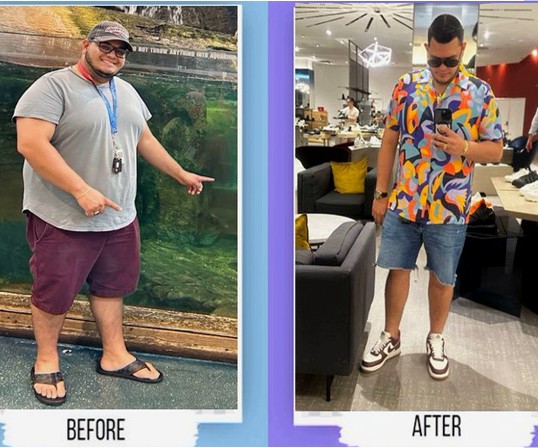
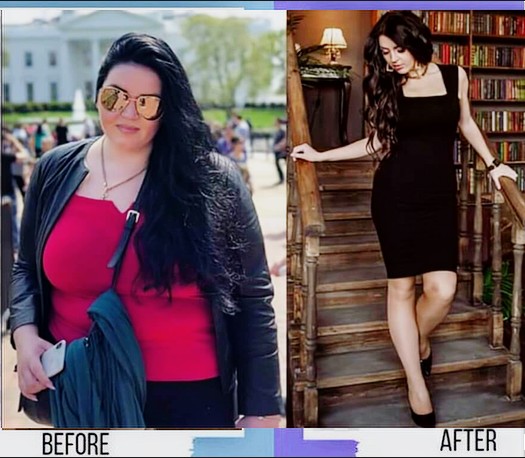
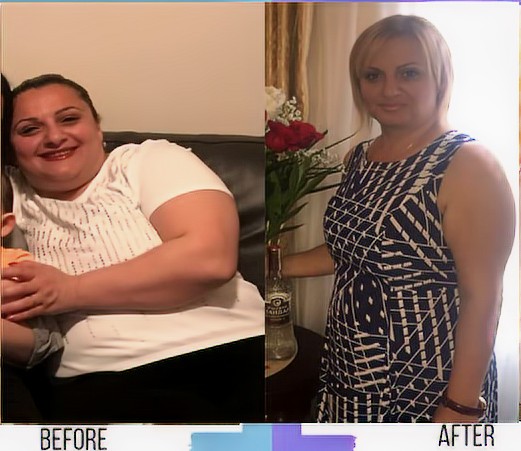
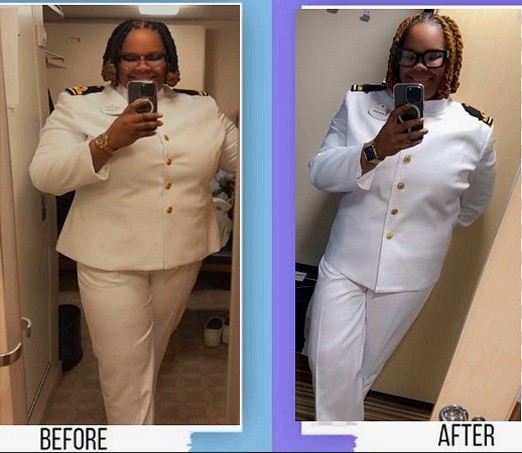
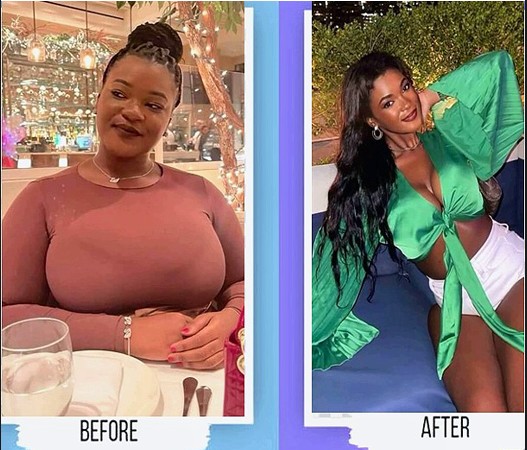
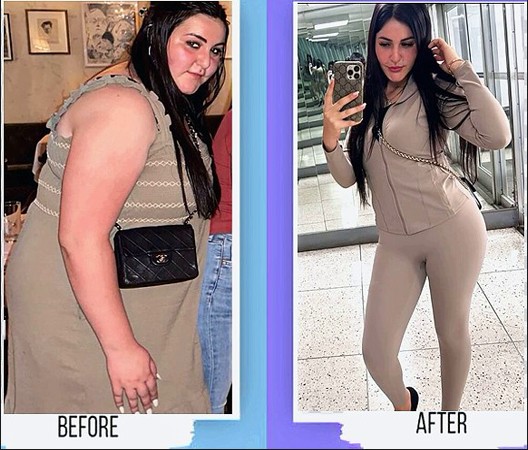
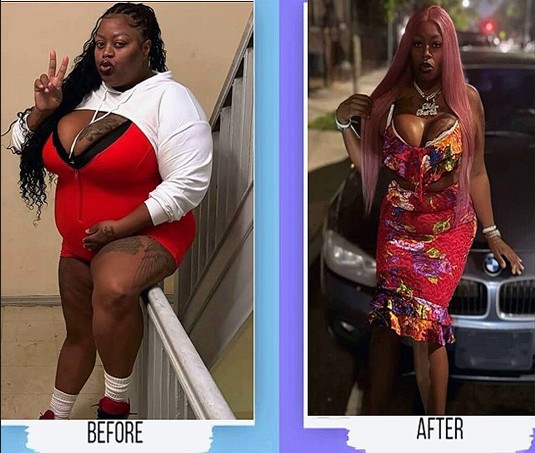
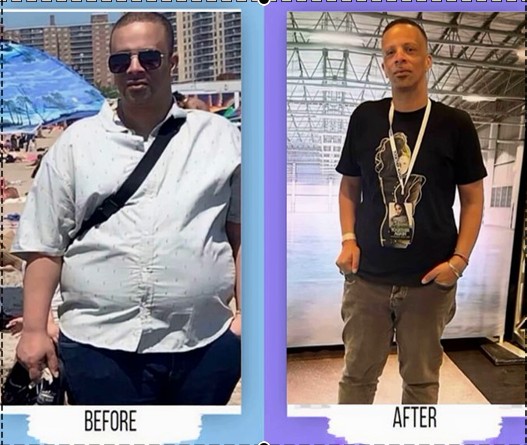
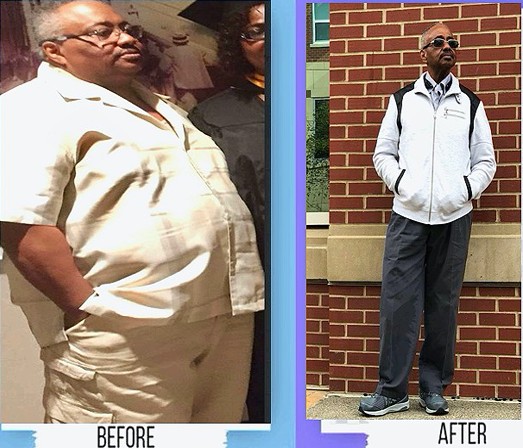
Real people, REAL RESULTS! Check out a few of the many people that we have helped reach their ideal weight goals over the years.