Florida Surgery & Weight Loss | Dr. Sergey Terushkin, MD, FACS
Key Takeaways
For decades, the field of bariatric medicine had two distinct lanes: lifestyle changes (which rarely produce massive, sustained weight loss for the morbidly obese) and bariatric surgery (which is highly effective but invasive).
In the last few years, that landscape has been permanently altered. First, we saw Semaglutide (Ozempic®/Wegovy®), a single-hormone agonist that offered ~15% weight loss. Then came Tirzepatide (Mounjaro®/Zepbound™), a dual-hormone agonist pushing results closer to 21%.
Now, the medical community is buzzing about the next evolutionary leap: Retatrutide.
Often called the “Triple G” peptide, this investigational medication from Eli Lilly is showing results in clinical trials that we once thought were impossible without a scalpel. But while the future is bright, the present is powerful. Understanding exactly how this new drug works—and why it isn’t yet available—is critical for making the right decision for your health today.
To understand why Retatrutide is generating such intense excitement, we have to look at the biology of how your body regulates weight.
Most modern weight-loss drugs work by mimicking natural hormones your gut produces after you eat.
Retatrutide is a “tri-agonist.” It targets three distinct metabolic pathways simultaneously:
The addition of Glucagon is what makes Retatrutide fundamentally different from anything currently on the market. Historically, Glucagon was known mostly for raising blood sugar (the opposite of insulin). However, in this specific triple-combination, Glucagon acts as a metabolic furnace.
While GLP-1 and GIP reduce your intake (calories in), Glucagon increases your output (calories out). It signals the liver to burn stored energy and increases your resting metabolic rate. This two-pronged attack—eat less, burn more—is the “Holy Grail” of obesity medicine.
Learn About Retatrutide Dose Escalation Chart & Units Calculator for Weight Loss

The results from the Phase 2 clinical trials, published in the prestigious New England Journal of Medicine, have set a new benchmark for what is possible with pharmacotherapy.
In a 48-week study involving 338 non-diabetic adults with obesity:
To put this in perspective: A patient weighing 250 pounds could potentially lose 60 pounds in less than a year on Retatrutide. Historically, losing nearly a quarter of your body weight was an outcome reserved almost exclusively for Gastric Sleeve or Gastric Bypass surgery.
Here is the hard truth: Retatrutide is not here yet. It is currently in Phase 3 trials, and FDA approval is not expected until late 2026.
I see many patients who say, “I’ll just wait for the new triple drug.” As a doctor, I strongly advise against this strategy for three reasons:
Obesity is a progressive disease. In two years, without intervention, most patients do not stay the same weight—they gain more. Gaining an additional 10–20 pounds while waiting makes your eventual journey harder and longer. Furthermore, carrying excess weight for two more years puts continued stress on your heart, joints, and liver.
Tirzepatide (Mounjaro) is available right now at Florida Surgery & Weight Loss Center. It targets two of the same three receptors as Retatrutide. Patients on Tirzepatide are already losing 20% of their body weight.
When Retatrutide is finally approved, the demand will be astronomical. We saw widespread shortages with Wegovy and Zepbound. Patients who are already established in a medical weight loss program with a trusted provider (like our clinic) will likely have an easier time transitioning to new therapies than new patients trying to get an appointment during a shortage.
You do not need to wait for a miracle drug because we already have one.
At Florida Surgery & Weight Loss Center, our Tirzepatide (Mounjaro/Zepbound) program is delivering life-changing results every day.
Why Start Tirzepatide Now?

Will Retatrutide have side effects? Yes.
In clinical trials, the side-effect profile was very similar to that of the GLP-1 medications we use today.
| Feature | Semaglutide (Ozempic) | Tirzepatide (Mounjaro) | Retatrutide (Investigational) |
| Receptors Targeted | 1 (GLP-1) | 2 (GLP-1 + GIP) | 3 (GLP-1 + GIP + Glucagon) |
| Avg. Weight Loss | ~15% | ~21% | ~24%+ |
| Mechanism | Appetite Suppression | Appetite + Fat Metabolism | Appetite + Fat Metabolism + Calorie Burn |
| Availability | Now | Now | Est. 2026 |
Retatrutide represents the exciting future of obesity medicine. It proves that help is coming for those who have struggled the most.
But your health cannot wait for 2026. Every month you wait is a month you could have spent losing weight, lowering your blood pressure, and regaining your energy.
The smartest strategy is to act now. Use the powerful tools we have available today—Tirzepatide or Semaglutide—to do the heavy lifting. Then, when Retatrutide arrives, you won’t be starting from scratch; you will be crossing the finish line.



Ready to lose 20% of your body weight? The technology exists now.
Florida Surgery and Weight Loss Center Dr. Sergey Terushkin, MD, FACS
📞 (954) 551-3508 📍 1911 Harrison Street, Hollywood, FL 33020

Disclaimer: Retatrutide is an investigational drug and is NOT yet FDA-approved. All information presented is based on current clinical trial data. Consult Dr. Terushkin for FDA-approved treatments available now


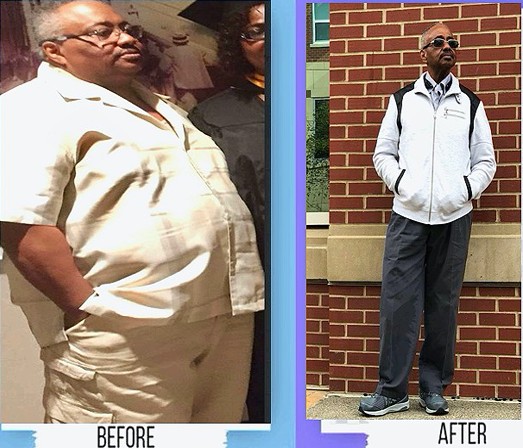
Real people, REAL RESULTS! Check out a few of the many people that we have helped reach their ideal weight goals over the years.