The Definition:Fatty Liver Disease occurs when excess fat makes up more than 5–10% of the liver’s weight, interfering with detoxification and metabolism.
The Two Types: It is categorized into NAFLD (linked to obesity/diabetes) and Alcohol-Related fatty liver.
The Silent Progression: Most early cases have no symptoms. If untreated, it progresses to fibrosis, cirrhosis, and potentially liver failure.
The Root Cause: The body loses the ability to process fats and sugars efficiently, leading to storage in the liver.
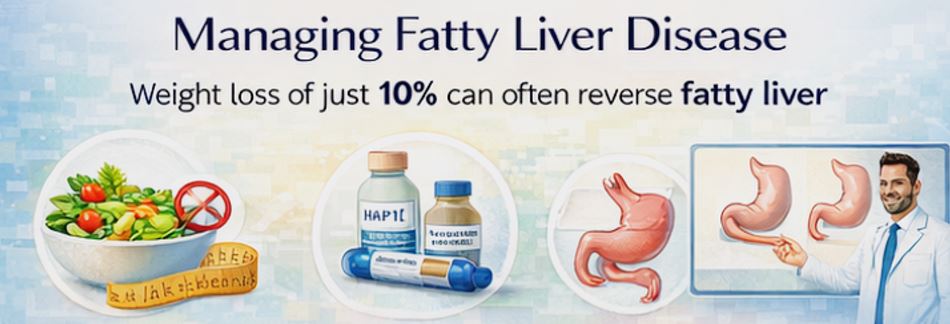
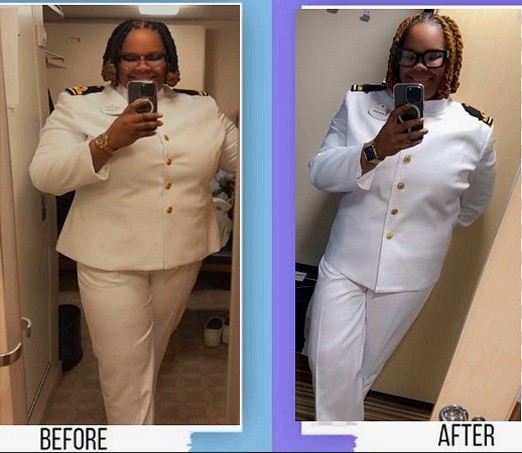
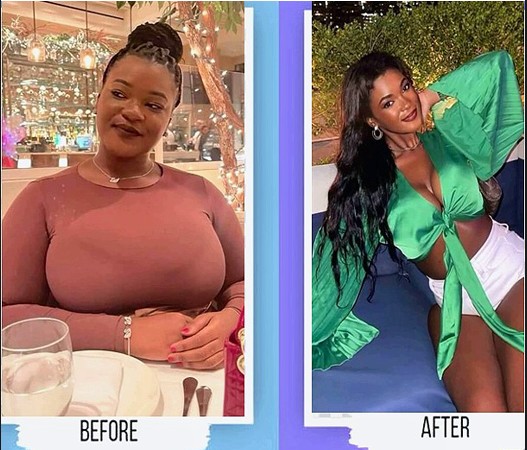
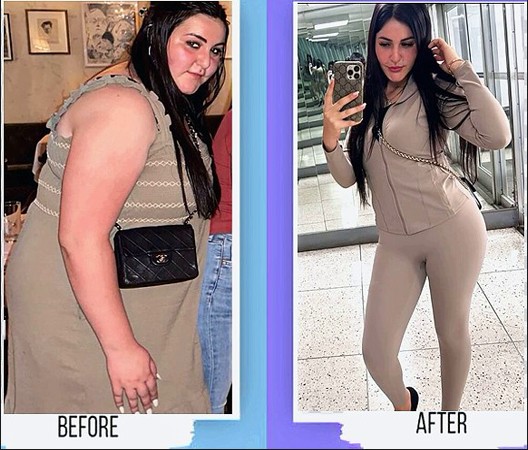
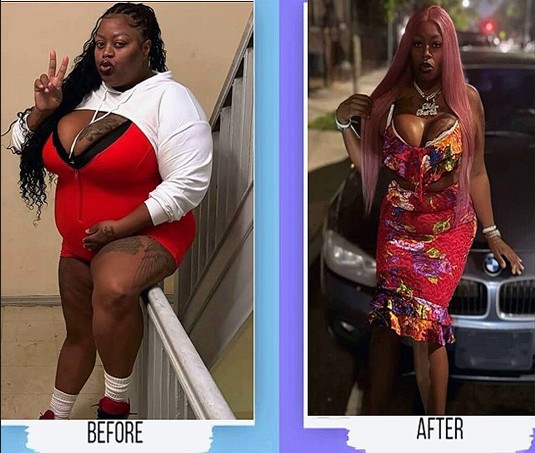
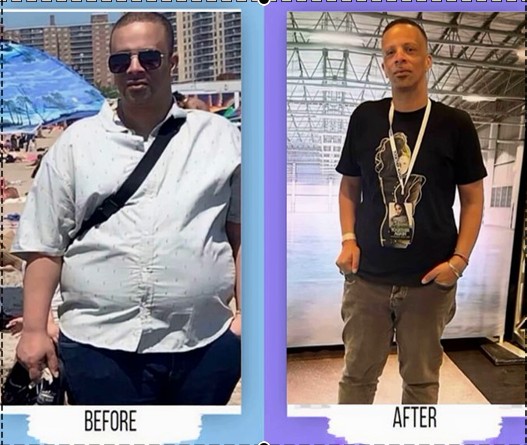
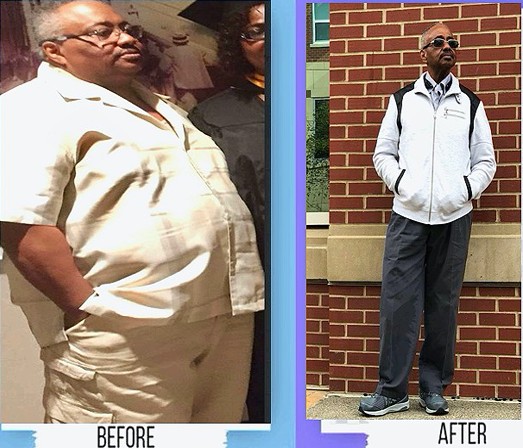
The Solution: Weight loss is the most effective treatment.Medical Weight Loss and Bariatric Surgery can often reverse the condition before permanent damage occurs.
The liver is the body’s powerhouse, playing a critical role in metabolism, detoxification, and energy storage. In a healthy person, the liver contains very little fat. However, Fatty Liver Disease is a condition in which excess fat builds up inside liver cells.+1
Clinically, when fat accumulation exceeds about 5–10% of the liver’s total weight, the liver can become inflamed and damaged over time. This excess fat acts like a clog in the system, interfering with the liver’s ability to filter toxins and regulate blood sugar.
At Florida Surgery and Weight Loss Center, we view this condition not just as a liver issue, but as a “metabolic warning sign.” It is often the first visible indicator that the body is struggling with weight and insulin resistance.
Types of Fatty Liver Disease
It is important to understand that not all fatty liver cases are the same. There are two main forms of the disease:
1. Nonalcoholic Fatty Liver Disease (NAFLD)
This is the most common form we see in our practice. As the name suggests, it occurs in people who drink little or no alcohol. It is commonly linked to:
Obesity (particularly abdominal/visceral fat)
Insulin Resistance & Type 2 Diabetes
High Cholesterol & Metabolic Syndrome
2. Alcohol-Related Fatty Liver Disease
This develops specifically as a result of excessive alcohol consumption. The liver breaks down alcohol, but the process can generate harmful substances that damage liver cells and promote inflammation. This type can often improve significantly if alcohol intake is reduced or stopped early.
Why Fat Builds Up in the Liver
Why does the body start storing fat in an organ meant for detoxification?
Fatty liver disease often develops when the body struggles to process fats and sugars efficiently. Under normal circumstances, the liver processes nutrients from food and burns fat for energy. However, due to excess calorie intake or insulin resistance, this process is disrupted.
Instead of being used for energy, fats and sugars are stored in liver cells. Hormonal imbalances also play a role. Over time, this buildup creates a toxic environment that can trigger inflammation (swelling) within the organ.
Symptoms and Early Detection
One of the biggest challenges in treating Fatty Liver Disease is its “silent” nature. Many people with the condition have absolutely no symptoms, especially in the early stages.
When symptoms do appear, they are often vague and easily overlooked:
Fatigue: A persistent tiredness or lack of energy.
Mild Abdominal Discomfort: A dull ache or feeling of fullness on the upper right side of the abdomen (where the liver is located).
Because obvious symptoms are often absent, the condition is frequently discovered accidentally during blood tests (showing elevated liver enzymes) or imaging scans (such as ultrasounds or CT scans) performed for other reasons.
When Fatty Liver Becomes Serious
We urge patients not to ignore a diagnosis of “mild” fatty liver. It is a progressive disease.
If left untreated, fatty liver disease can move through distinct stages of severity:
Steatosis: Simple fat buildup (harmless if reversed here).
NASH (Non-Alcoholic Steatohepatitis): The liver becomes inflamed.
Fibrosis: Persistent inflammation causes scar tissue to form.
Cirrhosis: Extensive scarring permanently damages the liver structure.
Liver Failure: The liver stops functioning, requiring a transplant.
The risk of progression is significantly higher in people with obesity, diabetes, and long-standing metabolic disease.
How Fatty Liver Disease Is Managed
The good news is that the liver is remarkably resilient. In many cases, early-stage fatty liver disease is reversible with proper intervention. Treatment typically focuses on addressing the underlying metabolic causes rather than treating the liver directly.
Medical Weight Loss as Treatment
Weight loss is the cornerstone of care. Losing just 10% of your body weight can reduce liver fat, resolve inflammation, and even reverse mild scarring.
Nutrition: Reducing sugar and fructose intake is critical, as these are primary drivers of liver fat.
GLP-1 Medications: Medications like Semaglutide (Wegovy) and Tirzepatide (Mounjaro) are proving to be powerful tools, helping patients achieve the weight loss needed to decongest the liver.
Bariatric Surgery: For patients with severe obesity, surgeries like the Gastric Sleeve or Gastric Bypass have shown high success rates in resolving NASH.
Why It Matters
Fatty liver disease is one of the most common liver conditions worldwide and is closely linked to your overall metabolic health.
Treating your fatty liver isn’t just about saving your liver—it is about protecting your entire body. Early recognition and treatment reduce the risk of heart disease, diabetes complications, and other long-term health issues.
Don’t wait for symptoms to appear. If you have been diagnosed with fatty liver or struggle with metabolic weight gain, we can help you reverse the damage.
Florida Surgery and Weight Loss CenterDr. Sergey Terushkin, MD, FACS
📞 (954) 551-3508 📍 1911 Harrison Street, Hollywood, FL 33020
Frequently Asked Questions (FAQ)
Can fatty liver be cured?
Yes. If caught early (Steatosis or early NASH), the liver can heal completely if the fat is removed through weight loss and diet changes. Once Cirrhosis (scarring) sets in, the damage is usually permanent.
Are there pills for fatty liver?
Currently, there are no FDA-approved drugs specifically for treating fatty liver directly. However, doctors prescribe weight loss medications (like GLP-1s) because losing weight is the most effective way to treat the underlying cause.
What foods should I avoid?
You should avoid High Fructose Corn Syrup (sodas, candy), processed carbohydrates (white bread, pasta), and alcohol. These are the hardest for a compromised liver to process.
How does diabetes affect fatty liver?
They form a vicious cycle. Insulin resistance causes fatty liver, and fatty liver worsens insulin resistance. Treating one usually helps improve the other.
Medical Disclaimer
Educational Purposes Only: Content on this site is for informational purposes only and is not a substitute for professional medical advice, diagnosis, or treatment. Always consult Dr. Terushkin or a qualified provider regarding medical conditions. Fatty Liver Disease requires medical monitoring
Get Started
Book an appointment and take the first step in your weight loss journey.