Author: Dr. Sergey Terushkin, MD, FACS
Last Updated: April 30, 2026

If your weight loss has slowed or stopped on semaglutide, you’re not alone—plateaus are a normal biological response. Patients across Florida can restart progress with targeted adjustments to nutrition, activity, and medically guided treatment.
Many patients using Semaglutide see strong early results—but over time, the scale may stall. This is called a weight-loss plateau. It doesn’t mean the medication failed. It means your body has adapted.
Patients across Florida—including Miami, Orlando, Panama City, and West Palm Beach—commonly reach this stage and need a structured plan to move forward.
🟢 Plateaus are normal — your body is adjusting, not failing
🟢 Nutrition, activity, and habits often need fine-tuning
🟢 Strength training and protein help protect metabolism
🟢 Small, consistent changes can restart weight loss
🟢 Medical guidance is key for safe adjustments
🟢 Progress isn’t just the scale — health improvements matter
“A plateau doesn’t mean the medication stopped working—it means your body is becoming more efficient. That’s when strategy matters most,” explains Dr. Sergey Terushkin, MD, FACS.
Semaglutide is a GLP-1 medication that:
“Most plateaus are predictable and manageable. The key is knowing what to adjust,” says Dr. Sergey Terushkin.
Many patients who hit a plateau also realize they may need to refine their technique or expectations. If you’re unsure about proper injections, read our guide on How to Inject GLP-1 Semaglutide & Tirzepatide (Step-by-Step Guide for Florida Patients).

“Small nutritional adjustments often restart progress,” — Dr. Sergey Terushkin
“Muscle keeps metabolism active.”
“Medication works best with structure.”
“Recovery drives results.”
“Health improvements matter beyond weight.”

Because your metabolism adapts as you lose weight. This is normal and expected.
Adjust nutrition, increase activity, and review your treatment plan with your provider.
No. It means your body has adapted—not that the medication failed.
Typically a few weeks to a couple of months, depending on your body and habits.
Yes. Increasing protein and tracking intake can help restart progress.
Yes. Especially strength training and increased activity.
“I lost 30 lbs, but nothing changed for 6 weeks.”
“In most cases, we don’t need drastic changes—just precise ones,” says Dr. Sergey Terushkin.
Below are additional common questions patients ask about semaglutide plateaus and what to discuss with a medical provider before making any changes.
Weight-loss plateaus are part of the journey—not the end.
“The difference between staying stuck and moving forward is having a personalized plan,” concludes Dr. Sergey Terushkin, MD, FACS.
Want to see real progress timelines?
👉 Semaglutide (Ozempic® & Wegovy®) Before and After Results: Weight Loss Timelines (2026) — explore realistic results, before-and-after expectations, and how long it takes to see changes on Semaglutide.
Medical Disclaimer:
Semaglutide (Wegovy®, Ozempic®) is prescribed only when appropriate. Compounded medications (503A/503B) are not FDA-approved. Always consult a licensed provider.


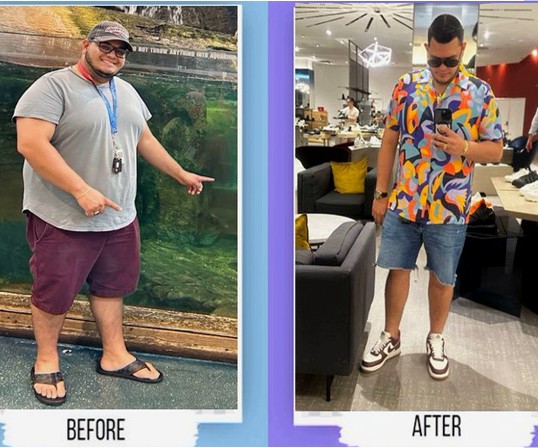
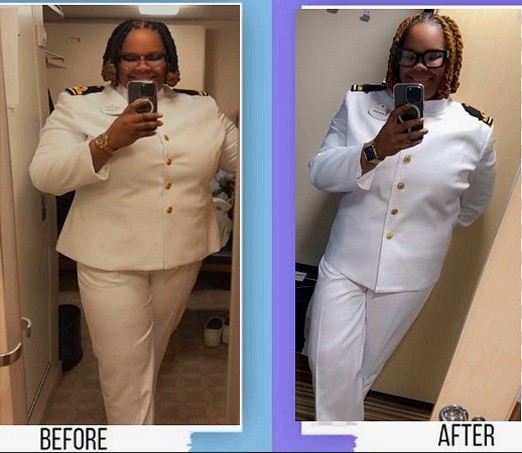
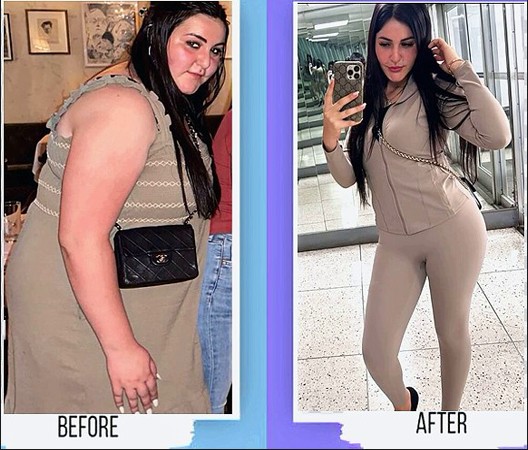
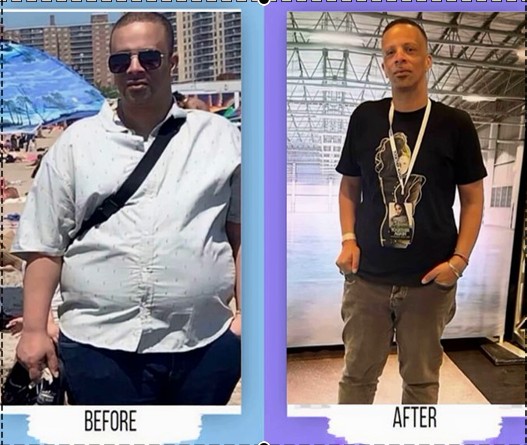
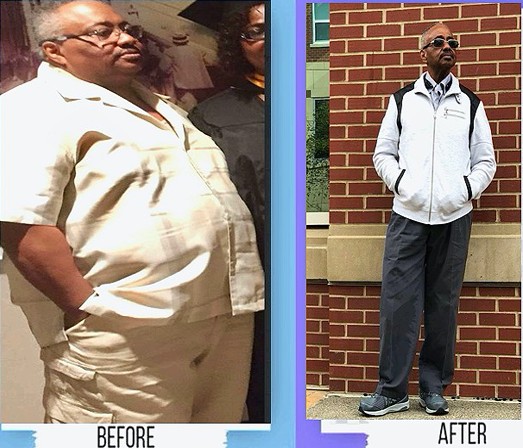
Real people, REAL RESULTS! Check out a few of the many people that we have helped reach their ideal weight goals over the years.