Last Updated: June 24, 2026
Author:
Dr. Sergey Terushkin, MD, FACS
Florida Surgery & Weight Loss Center
Medically Reviewed By:
Dr. Rosemary Daly, D.O., DABPM
Wondering whether you can lose 20 pounds in one month on Mounjaro® or Zepbound®? Learn what’s realistic, why early weight loss can happen so quickly, and how to maximize fat loss safely with physician-guided tirzepatide treatment.
During almost every consultation, someone asks me the same question.
“If I start Mounjaro® or Zepbound® today, could I lose 20 pounds this month?”
It’s an understandable question. Social media is full of dramatic before-and-after photos, celebrity success stories, and videos claiming remarkable transformations in just a few weeks. Once patients begin tirzepatide treatment and notice their appetite decreasing, many naturally hope the weight will disappear just as quickly.
The reality is more complicated. Some people do lose close to 20 pounds during their first month of treatment, especially if they start with a higher body weight. However, much of that early change often comes from reduced inflammation, glycogen depletion, and water loss—not 20 pounds of body fat.
That doesn’t mean tirzepatide isn’t working. In fact, it may be working exactly as intended. Understanding what happens during the first month can help you set realistic expectations, avoid disappointment, and focus on losing body fat safely while protecting your muscle mass and long-term metabolic health.
At Florida Surgery & Weight Loss Center, our medical weight-loss team encourages patients to focus on building healthy, sustainable habits instead of chasing unrealistic numbers on the scale. Successful treatment isn’t simply about losing weight quickly—it’s about achieving results that last.
Yes, some patients can lose close to 20 pounds during their first month on tirzepatide, particularly those starting treatment with obesity or severe obesity. However, this amount of weight loss is not typical for everyone, and much of the early change may be related to water weight and reduced inflammation rather than body fat alone. For most patients, losing 4 to 10 pounds per month is considered a healthier, more sustainable rate of weight loss.
“One of the biggest misconceptions about tirzepatide is that faster is always better. Our goal isn’t simply helping patients lose weight quickly—it’s helping them lose fat while preserving muscle and improving their overall health.”
— Dr. Sergey Terushkin, MD, FACS
The honest answer is yes—but only for some patients.
People who begin treatment with a higher body mass index (BMI), significant insulin resistance, or substantial fluid retention may notice dramatic changes during their first few weeks on Mounjaro® or Zepbound®. However, those early results shouldn’t be viewed as the standard or expected outcome for everyone starting tirzepatide.
Many patients are surprised to learn that the number on the scale doesn’t tell the whole story. During the first month, your body is adjusting to reduced calorie intake, lower insulin levels, and changes in how it stores carbohydrates and water. While body fat is certainly being lost, a considerable portion of early weight loss often comes from fluid shifts inside the body.
| First Month Weight Loss | What It Usually Represents |
|---|---|
| 2–5 pounds | Common early response for many patients. |
| 5–10 pounds | Frequently seen with good adherence to nutrition and treatment. |
| 10–20 pounds | Possible for some patients with a higher starting weight, but not typical for everyone. |
| 20+ pounds | Usually reflects a combination of fat loss, water loss, and reduced inflammation rather than body fat alone. |

The first month of tirzepatide treatment is often different from the months that follow. Appetite may decrease quickly, portion sizes usually become smaller, and many patients notice they are thinking about food less often throughout the day.
At the same time, the body begins releasing stored glycogen. Glycogen is a stored form of carbohydrate found in the liver and muscles. Each gram of glycogen holds water, so when glycogen stores decrease, the body releases additional fluid. This can make the scale drop quickly, especially during the first few weeks.
This early drop can feel exciting, but it is important to understand what is actually happening. A lower number on the scale does not always mean the body has lost that same amount of fat.
| What Changes in Month 1? | How It Affects the Scale |
|---|---|
| Reduced appetite | Patients often eat smaller portions without feeling as hungry. |
| Lower calorie intake | The body begins using stored energy. |
| Glycogen depletion | Stored carbohydrates decrease, releasing water. |
| Reduced inflammation | Some patients notice less bloating and fluid retention. |
| Early fat loss | Fat loss begins, but it is only one part of the total scale change. |
“A strong first month can be motivating, but patients should understand that early weight loss is often a mix of fat loss and fluid shifts. The real goal is steady fat loss over time.”
— Dr. Rosemary Daly, D.O., DABPM
Many patients think that losing 15 or 20 pounds means they have lost 15 or 20 pounds of body fat. In reality, early weight loss usually includes several different components: fat, water, glycogen, and sometimes lean muscle if nutrition is not adequate.
This is why medical supervision matters. A successful tirzepatide program should not focus only on making the scale move faster. It should also protect lean muscle, support metabolism, and help patients avoid the common mistakes that lead to fatigue, weakness, or weight regain later.
| Type of Weight Loss | Is It Helpful? | What It Means |
|---|---|---|
| Body fat | ✅ Yes | This is the primary goal of treatment. |
| Water weight | Sometimes | Common early in treatment, but not the same as fat loss. |
| Glycogen | Normal | Often contributes to fast early scale changes. |
| Lean muscle | ❌ No | Can lower metabolism and make long-term weight control harder. |
For patients trying to set realistic goals, our guide on how long it takes to lose 15 pounds on tirzepatide explains what many people can expect during the first several weeks and months of GLP-1 treatment.
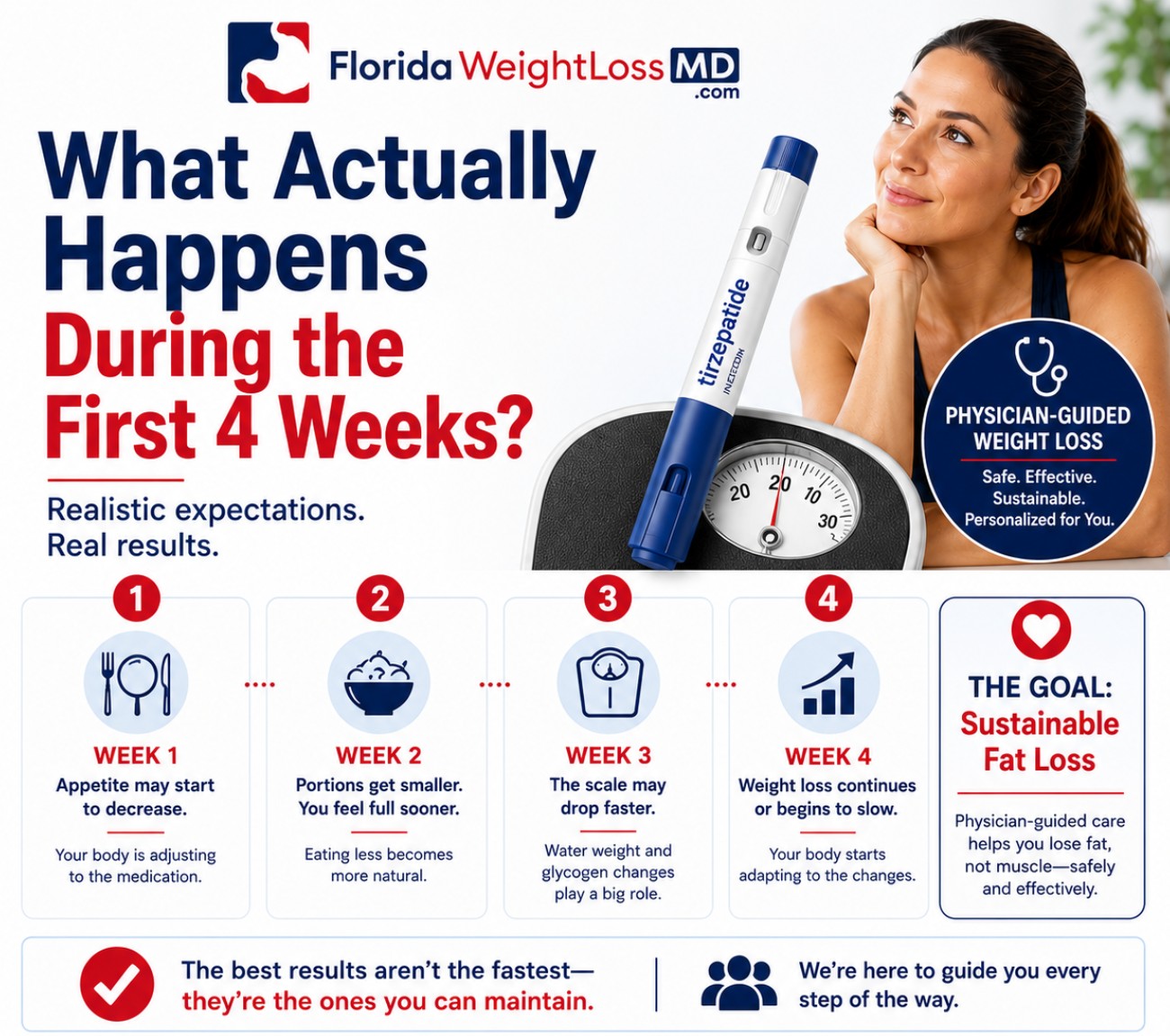
The first month of tirzepatide treatment is usually a period of adjustment. Some patients notice appetite changes within days, while others need more time before they feel a major difference. Both experiences can be normal.
| Treatment Week | What Many Patients Notice | What It Means |
|---|---|---|
| Week 1 | Appetite may begin decreasing. | The medication is starting to affect hunger and fullness signals. |
| Week 2 | Portions often become smaller. | Patients may feel full sooner during meals. |
| Week 3 | The scale may drop faster for some patients. | Water weight, glycogen changes, and reduced intake may all contribute. |
| Week 4 | Weight loss may continue or begin slowing. | The body starts adapting to lower intake and a changing metabolism. |
If your first month is slower than expected, that does not automatically mean the medication is failing. Tirzepatide dosing is usually increased gradually, and many patients see stronger progress as treatment continues and their provider adjusts the plan based on appetite control, side effects, and response.
“Patients should not compare their first month to someone else’s social media results. Starting weight, medication dose, nutrition, insulin resistance, and activity level all affect how quickly the body responds.”
— Dr. Sergey Terushkin, MD, FACS
Most patients are excited when the number on the scale drops quickly. However, there is a point where losing weight too rapidly may create new health concerns instead of improving your health.
While tirzepatide helps reduce appetite and calorie intake, your body still needs adequate protein, vitamins, fluids, and regular physical activity to preserve muscle and support normal metabolic function. Extremely restrictive eating can increase the likelihood of nutritional deficiencies and make it more difficult to maintain weight loss in the future.
The goal isn’t simply to lose the most weight possible in the shortest amount of time. The goal is to lose body fat while maintaining muscle, strength, energy, and overall health.
| Rapid Weight Loss Risk | Why It Can Happen |
|---|---|
| Loss of lean muscle | Too little protein and inadequate resistance training. |
| Hair thinning | Rapid calorie restriction may trigger temporary shedding. |
| Loose skin | The skin has less time to adapt to significant body changes. |
| Fatigue | Low calorie intake and dehydration may reduce energy. |
| Gallstones | Rapid weight loss is a recognized risk factor. |
“We would rather see a patient lose weight steadily over several months than lose it rapidly while sacrificing muscle mass and overall health. Sustainable weight loss almost always leads to better long-term outcomes.”
— Dr. Rosemary Daly, D.O., DABPM
Tirzepatide is a powerful medication, but it works best when combined with healthy habits. Patients who achieve the most consistent long-term results typically focus on preserving muscle, staying active, and following a balanced nutrition plan rather than trying to eat as little as possible.
| Healthy Habit | Why It Matters |
|---|---|
| Eat adequate protein | Helps preserve lean muscle while losing body fat. |
| Stay hydrated | Supports metabolism and helps prevent dehydration. |
| Strength train 2–4 times weekly | Helps maintain muscle and improve body composition. |
| Walk regularly | Increases daily calorie expenditure and cardiovascular health. |
| Sleep 7–9 hours | Supports recovery and hormone regulation. |
| Attend follow-up visits | Allows safe dose adjustments and ongoing monitoring. |
One of the biggest mistakes patients make is believing they should eat as little as possible while taking tirzepatide. Although appetite is reduced, your body still requires enough nutrients to support healthy fat loss. Consuming sufficient protein and maintaining regular physical activity are essential parts of successful treatment.
Not everyone experiences dramatic weight loss during the first month, and that’s perfectly normal. Genetics, starting weight, medication dose, insulin resistance, nutrition, sleep quality, and physical activity all influence how quickly your body responds.
Some patients lose weight steadily from the beginning, while others notice their biggest improvements after several months of treatment as their tirzepatide dose increases and healthy habits become more consistent.
If your progress slows after an initial period of success, you may simply be experiencing a normal weight-loss plateau. Our physician-reviewed guide on breaking a weight-loss plateau on tirzepatide explains why this happens and practical strategies that may help you continue making progress.
“Weight loss is rarely perfectly linear. Some weeks you’ll lose more, other weeks less, and occasionally the scale won’t change at all. Consistency over several months is far more important than any single week’s result.”
— Karla K. Mioduchoski, FNP-BC

Patients often arrive hoping to lose as much weight as possible in the shortest amount of time. By the end of treatment, however, most realize their greatest success wasn’t simply seeing a lower number on the scale—it was improving their overall health.
Healthier blood sugar levels, lower blood pressure, improved mobility, better sleep, increased confidence, and a body composition with more lean muscle and less body fat often matter far more than whether someone lost 10 pounds or 20 pounds during their first month.
When viewed over six months or longer, steady, physician-guided weight loss almost always produces better and more sustainable results than trying to lose weight as quickly as possible.
If you’re taking tirzepatide consistently but aren’t sure whether your progress is on track, scheduling a follow-up visit can provide valuable guidance. Your healthcare provider can review your nutrition, activity level, medication dose, and overall treatment plan to determine whether any adjustments may help you continue losing weight safely.
Some patients may benefit from a gradual dose increase, while others simply need to improve protein intake, hydration, strength training, or sleep quality. Every weight-loss journey is different, and personalized medical guidance often leads to better long-term success than trying to make changes on your own.
“Our goal isn’t helping patients lose weight as quickly as possible. It’s helping them lose fat safely, improve their health, and maintain those results for years to come.”
— Dr. Sergey Terushkin, MD, FACS

Yes, some patients do lose close to 20 pounds during their first month, particularly those with a higher starting body weight. However, much of the early change may include water weight and reduced inflammation in addition to body fat.
Results vary, but many patients lose between 4 and 10 pounds during their first month of treatment. Your starting weight, nutrition, physical activity, medication dose, and individual metabolism all influence your results.
As your body becomes lighter, it naturally burns fewer calories. This normal metabolic adaptation means weight loss often becomes slower and steadier after the initial weeks of treatment.
Rapid weight loss may increase the risk of muscle loss, fatigue, gallstones, hair thinning, and loose skin. That’s why most weight-loss specialists focus on preserving muscle while promoting steady fat loss.
Follow your prescribed treatment plan, eat adequate protein, stay hydrated, perform regular strength training, remain physically active, and attend scheduled follow-up visits with your healthcare provider.
No. Every patient responds differently. Age, genetics, starting BMI, medical history, lifestyle, medication dose, and treatment adherence all affect the rate of weight loss.

If you’re considering tirzepatide, Mounjaro®, or Zepbound® for weight loss, our team at Florida Surgery & Weight Loss Center provides personalized treatment plans based on your health history, weight-loss goals, and long-term success—not unrealistic promises.
We offer physician-guided medical weight loss, telehealth consultations, insurance verification, and transparent self-pay options for eligible patients throughout Florida and more than 20 states.
Ready to take the first step?
Call (954) 551-3508 or schedule your consultation online to learn whether tirzepatide is appropriate for your weight-loss goals.


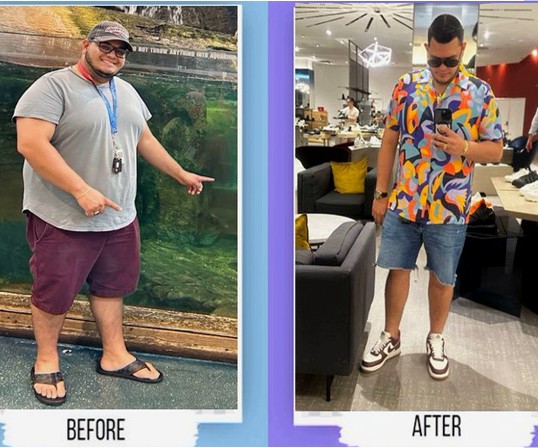
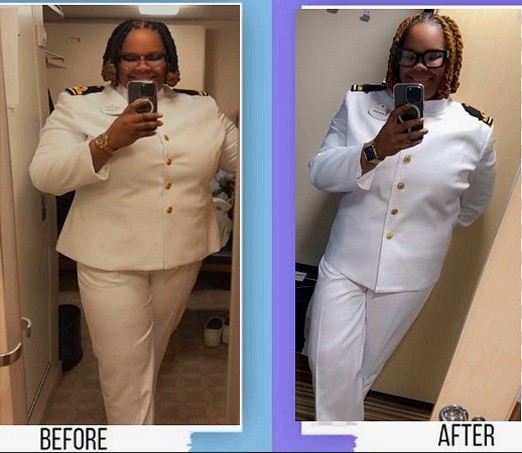
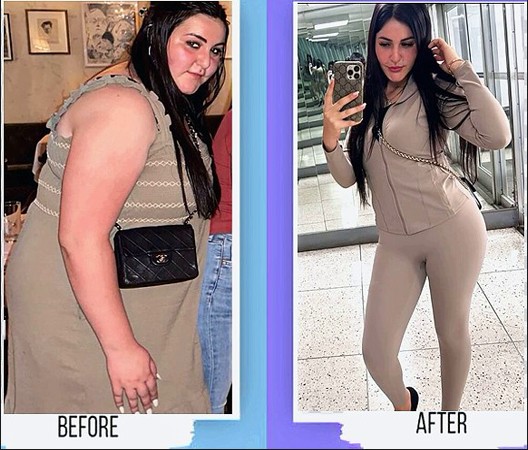
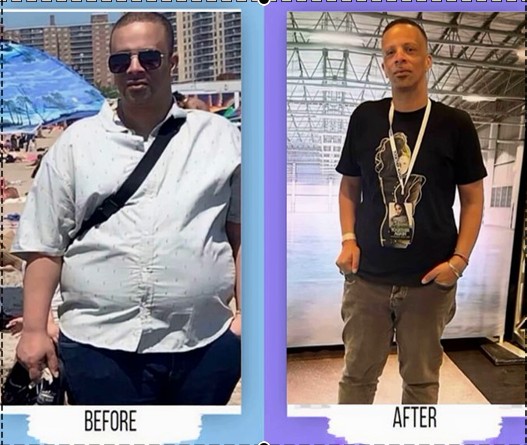
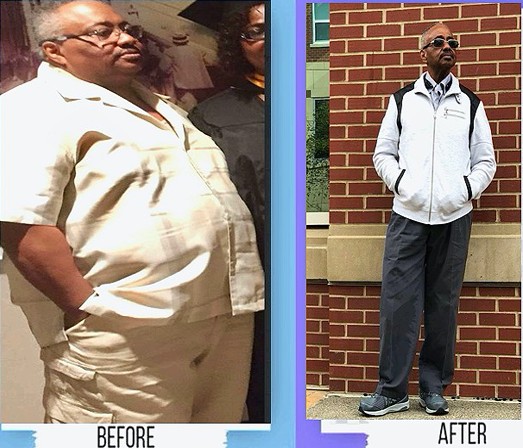
Real people, REAL RESULTS! Check out a few of the many people that we have helped reach their ideal weight goals over the years.