By Sergey Terushkin, MD, FACS and Karla K. Mioduchoski, FNP-BC
Why does your face look fuller even when your weight hasn’t changed? From hidden water retention to metabolic factors, facial fat isn’t just about appearance — it’s a signal of what’s happening inside your body. Doctors explain why spot reduction doesn’t work, what actually causes facial puffiness, and how modern treatments like GLP-1 medications (semaglutide, tirzepatide, Ozempic®, Mounjaro®, Zepbound™) can help slim your face as part of overall weight loss.
Facial fullness is one of the most common concerns patients bring up during weight consultations. Many say, “I don’t mind losing weight, but I really want my face slimmer.” Others notice that photos look rounder than they feel in person.
The truth is simple but often misunderstood: facial fat is usually a reflection of overall body composition, hydration status, and metabolic health — not something that can be targeted directly.
Below, we break down what actually works from a medical standpoint.
The face contains subcutaneous fat pads that support skin structure and expression. Genetics largely determine how much fullness appears in the cheeks, jawline, and under the chin.
However, facial appearance can also be influenced by:
In many cases, facial puffiness is not purely “fat” — it’s a combination of inflammation and water retention.
No. Spot reduction is not physiologically possible.
When the body loses fat, it pulls from overall fat stores. Where you notice changes first depends on genetics and hormonal profile. Interestingly, many patients see facial slimming early in structured weight loss programs because facial fat responds relatively quickly to metabolic improvement.
If your body fat percentage decreases, your face will typically follow.
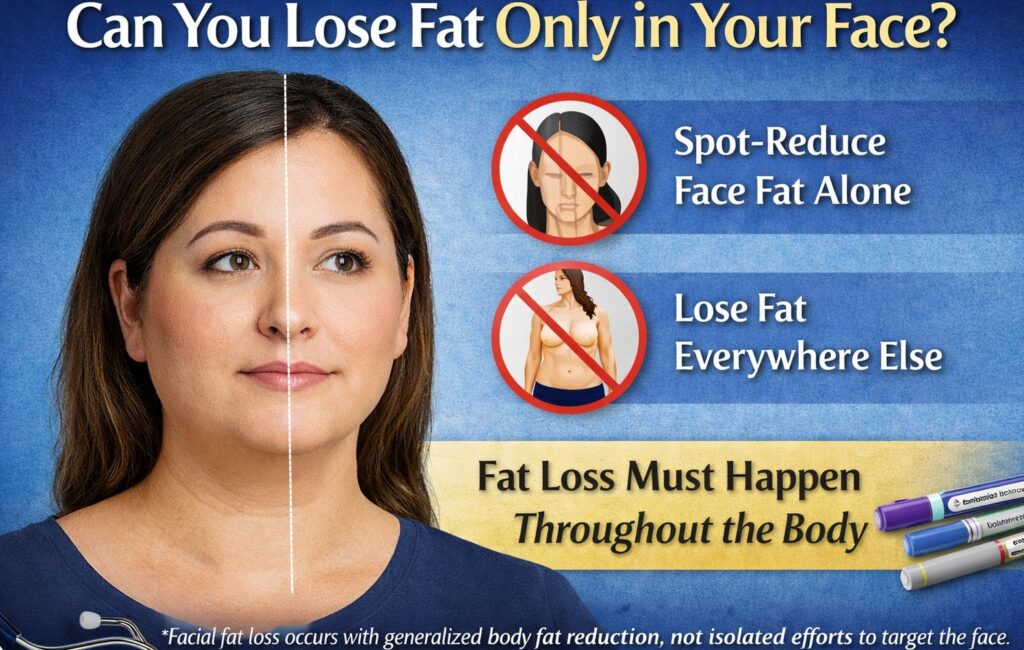
GLP-1–based medications such as Ozempic, Zepbound, semaglutide, and tirzepatide may lead to facial slimming as part of overall weight loss. They do not target face fat directly but work by improving appetite control and metabolic balance, reducing total body fat over time. As body fat decreases, many patients notice a leaner facial appearance. These medications require proper medical evaluation and supervision.
A medical guide to reducing facial fullness through safe weight loss, sodium reduction, improved sleep, alcohol moderation, and evaluation of hormonal health.
Sustainable weight loss remains the most reliable method for facial slimming.
Clinical research consistently shows that losing 5–10% of total body weight improves fat distribution, reduces inflammation, and enhances facial definition.
Effective strategies include:
Rapid crash dieting is not recommended. It may cause temporary water loss but can worsen skin laxity.
Excess sodium increases water retention, especially in the face and under the eyes.
Processed foods, restaurant meals, and packaged snacks are common contributors. Many patients notice visible improvement within days of lowering sodium intake and increasing hydration.
Chronic sleep deprivation increases cortisol levels. Elevated cortisol can:
Seven to eight hours of consistent sleep can significantly impact facial appearance over time.
Alcohol promotes dehydration and inflammation. Even moderate reduction often improves facial puffiness within a few weeks.
Persistent facial fullness despite weight loss may suggest underlying metabolic or hormonal factors such as:
Laboratory evaluation may be appropriate when lifestyle changes do not produce expected results.
Submental fullness (under the chin) may involve:
Weight loss can reduce fat-related fullness. If skin laxity remains, non-surgical tightening treatments or, in selected cases, surgical contouring may be considered after medical evaluation.
There is no evidence supporting:
These approaches may temporarily change appearance but are not medically sound solutions.
If facial fullness is related to body fat:
If puffiness is related to sodium or alcohol intake, improvement may appear within days to weeks.

This article is for educational purposes only and does not replace individualized medical advice. Evaluation by a qualified healthcare provider is recommended before beginning any weight loss or medical treatment program. Individual results vary.
Useful Links:

Sergey Terushkin, MD, FACS
Board-certified surgeon and Fellow of the American College of Surgeons specializing in bariatric surgery, metabolic health, and physician-guided weight loss. Dr. Terushkin focuses on evidence-based obesity treatment, GLP-1 therapy, and long-term metabolic outcomes with an emphasis on patient safety and clinical excellence.
Karla K. Mioduchoski, FNP-BC
Board-certified Family Nurse Practitioner experienced in primary care, preventive medicine, and medical weight management. She provides patient-centered care focused on metabolic health, hormone balance, and sustainable lifestyle-based weight loss strategies.


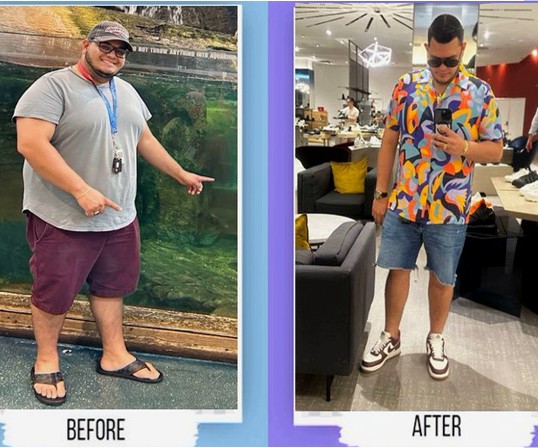
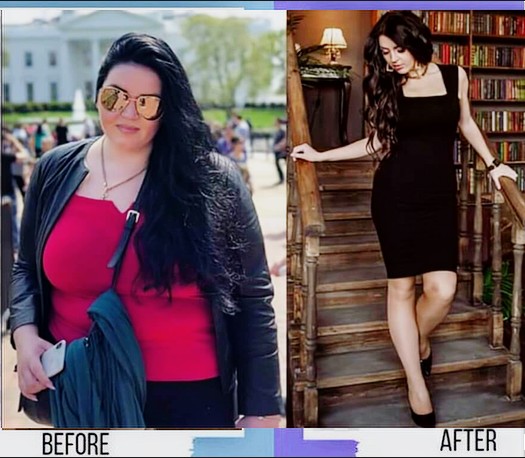
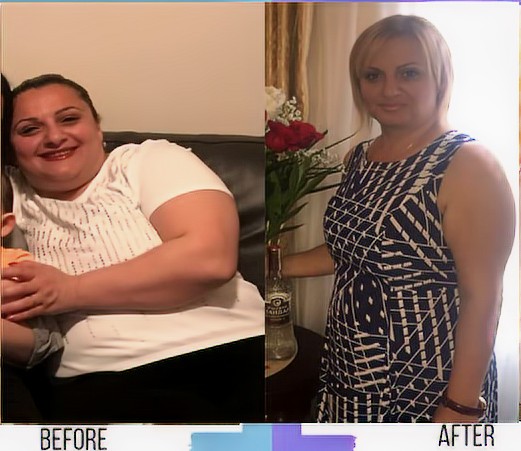
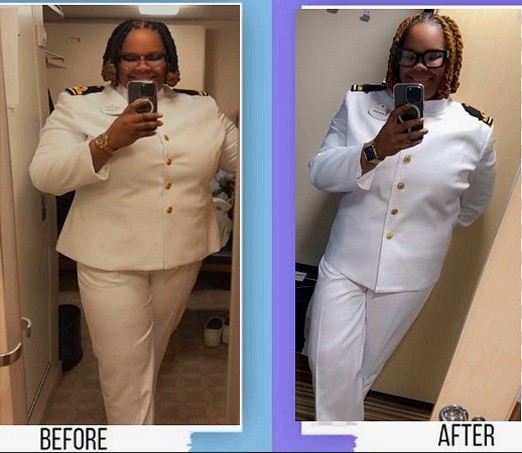
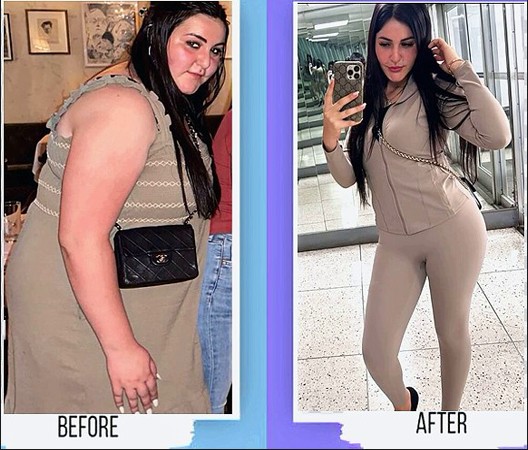
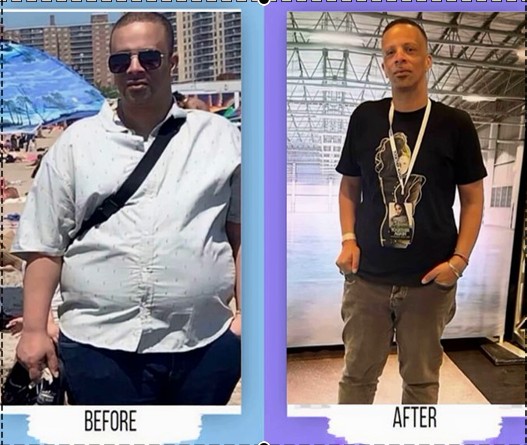
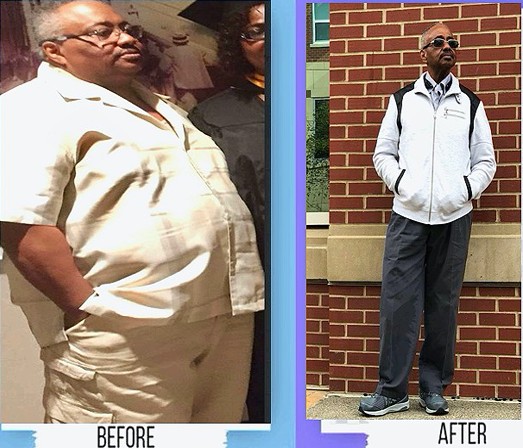
Real people, REAL RESULTS! Check out a few of the many people that we have helped reach their ideal weight goals over the years.