Authored by:
Sergey Terushkin, MD, FACS, FASMBS, DABOM, DABS-FPMBS
As one of the most effective medications for blood sugar control and weight loss, Mounjaro (tirzepatide) has become a frequent topic of conversation in my office. Patients at the Florida Surgery & Weight Loss Center are excited by its potential. Still, that excitement is often followed by a pressing, practical question: “Dr. Terushkin, will my insurance cover Mounjaro?”
This is the most critical hurdle for many patients. As a board-certified surgeon specializing in medical and surgical weight loss, my role isn’t just to determine if a medication is clinically right for you, but also to help you navigate the complex pathway to accessing it. Let’s demystify the process of getting Mounjaro covered.

The most critical factor determining insurance coverage for Mounjaro is your diagnosis.
This is where its “twin” medication comes in. Zepbound contains the same active ingredient, tirzepatide, but the FDA specifically approves it for chronic weight management. Therefore, if your primary goal is weight loss, seeking a prescription for Zepbound will generally provide you with a more precise and more successful path to insurance approval than requesting Mounjaro.
Regardless of the diagnosis, your insurance company will likely require prior authorization (PA). This is a process where my office must submit documentation to your insurer to justify why you need this specific medication.
To approve a PA for Mounjaro or Zepbound, insurers typically want to see:
A Qualifying BMI: Usually a Body Mass Index (BMI) of 30 or greater, or a BMI of 27 or greater with at least one weight-related health condition. The formula for BMI is: BMI=weight (kg) / height (m)2
Weight-Related Comorbidities: Documented proof of conditions like hypertension (high blood pressure), dyslipidemia (high cholesterol), obstructive sleep apnea, or cardiovascular disease.
History of Failed Attempts: Evidence that you have actively participated in a structured diet and exercise program for a period of 3 to 6 months without achieving sufficient weight loss.
Step Therapy: Some plans may require you to first try and fail with older, less expensive weight loss medications (like phentermine or Contrave) before they will approve a newer agent like tirzepatide.

A denial letter can be incredibly discouraging, but it is not necessarily the end of the road. Here is the action plan I recommend to my patients:
Provide Supporting Evidence: We will include progress notes, lab results, and documentation from other specialists to strengthen your case. Persistence and thorough documentation are key to winning an appeal.
Review the Denial Letter: The letter must state the specific reason for the denial. It might be a simple paperwork error, a failure to meet a specific criterion, or a blanket exclusion on the plan.
Initiate an Appeal: As your physician, I can assist you in filing a formal appeal. This often involves writing a detailed “Letter of Medical Necessity” where I outline your medical history, the clinical rationale for prescribing tirzepatide, and the potential health consequences of not treating your condition.

Disclaimer: Pricing may vary based on individual response, dosage, program length, and provider recommendations.
If insurance coverage remains out of reach, there are still ways to make the medication more affordable.
Your journey to a healthier weight requires powerful tools, and my mission is to ensure you can access them. We are your dedicated advocates in navigating the complexities of the healthcare system.

Dr. Sergey Terushkin, MD, FACS
Compassionate, affordable care for lasting weight loss.
📍 Virtual Consultations Available Nationwide
Contact Dr. Terushkin at (954) 551-3508 or fill out the form to schedule a consultation and start your journey towards a healthier lifestyle today! Our address 1911 Harrison Street, Hollywood, FL 33020

Q: Is it easier to get Zepbound covered for weight loss than Mounjaro? A: Yes. Because Zepbound is FDA-approved for chronic weight management, it aligns directly with the diagnosis, making the prior authorization process much more straightforward than using Mounjaro off-label.
Q: My insurance plan says it doesn’t cover any weight loss drugs. Am I out of luck? A: Not necessarily. Even with an exclusion, a physician-led appeal arguing for medical necessity due to severe comorbidities can sometimes result in an exception being granted. It is a more brutal battle, but one we are willing to fight for the sake of our patients.
Q: Will Medicare cover Mounjaro or Zepbound for weight loss? A: Historically, Medicare Part D has been prohibited by law from covering drugs for weight loss. However, there is growing legislative pressure to change this. Currently, coverage is generally limited to patients with type 2 diabetes (for Mounjaro), but this area is rapidly evolving.
Q: If I get approved, do I have to get re-approved later? A: Yes. Most insurance approvals are for a limited time, typically 6 to 12 months. To continue the medication, we will need to submit a new prior authorization showing that the medication is working effectively and that you are making progress toward your health goals.
Disclaimer: This blog post is for informational purposes only and should not be considered medical advice. Always consult your doctor before starting any new medication or making changes to your treatment plan.


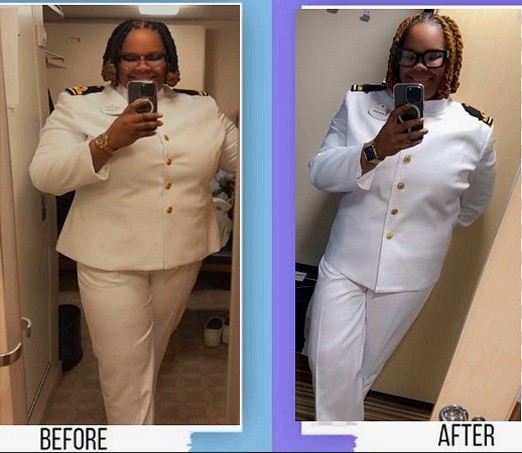
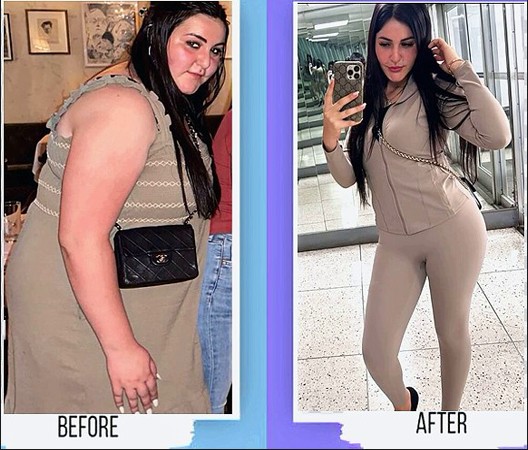
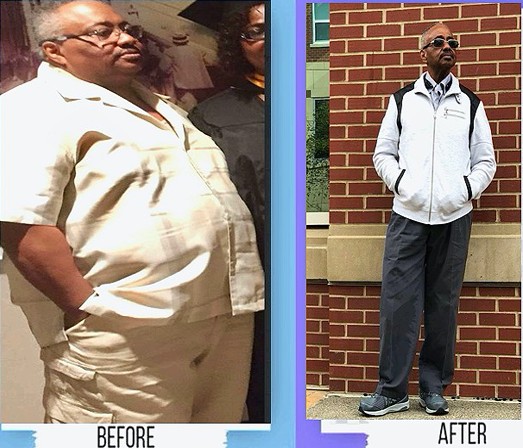
Real people, REAL RESULTS! Check out a few of the many people that we have helped reach their ideal weight goals over the years.