Last Updated: June 25, 2026
Author:
Dr. Sergey Terushkin, MD, FACS
Florida Surgery & Weight Loss Center
Medically Reviewed By:
Dr. Rosemary Daly, D.O., DABPM
One of the biggest misconceptions about tirzepatide is that everyone should increase their dose after four weeks.
In reality, that’s not always the case.
Every week at Florida Surgery & Weight Loss Center, patients ask us the same question:
“I’m still losing weight on 2.5 mg. Do I really need to increase my dose?”
It’s also one of the most common discussions on Reddit, where thousands of people share their experiences with Mounjaro®, Zepbound®, and compounded tirzepatide. Some patients report losing 50, 80, or even more than 100 pounds while staying on lower doses for months. Others explain that they needed to increase their dose because hunger returned or weight loss slowed.
So who’s right?
The answer is that both experiences can be completely normal. Tirzepatide doesn’t work exactly the same way for every patient. Your starting weight, metabolism, insulin resistance, eating habits, activity level, genetics, and treatment goals all influence which dose works best for you.
In this physician-reviewed guide, we’ll explain when staying on tirzepatide 2.5 mg may make sense, when increasing the dose may be appropriate, and what real patients are sharing about their experiences online.
If you’re still losing weight, your appetite is well controlled, and side effects are minimal, you may not need to increase your tirzepatide dose immediately. While 2.5 mg is commonly used as the starting dose, many patients remain on it longer under medical supervision because it continues producing healthy, sustainable results. The decision to increase should always be based on your individual response—not simply the calendar.
“One of the biggest mistakes patients make is believing that a higher dose automatically means better results. Our goal is to find the lowest effective dose that continues supporting healthy weight loss while minimizing side effects.”
— Dr. Sergey Terushkin, MD, FACS
For years, most discussions about tirzepatide focused on moving through the standard dosing schedule. More recently, however, patients have started asking a different question:
“If 2.5 mg is still working, why should I increase?”
It’s a fair question—and one that has generated thousands of conversations across online communities. Some patients report continuing to lose one to two pounds per week on the starting dose, while others say their food noise remains under control and they feel no reason to increase. On the other hand, many patients eventually need a higher dose because appetite returns, cravings increase, or weight loss reaches a plateau.
The important takeaway is that there isn’t a single dosing strategy that’s right for everyone. Modern obesity medicine is becoming increasingly personalized, with healthcare providers focusing on each patient’s response rather than following the same schedule for every individual.
| Question | Short Answer |
|---|---|
| Can 2.5 mg help with weight loss? | Yes. Many patients begin losing weight while taking the starting dose. |
| Should everyone increase after four weeks? | No. Some patients continue benefiting from 2.5 mg longer. |
| Can patients stay on 2.5 mg long term? | Some do, but treatment should always be individualized. |
| When should the dose increase? | When appetite control decreases, food noise returns, or progress slows despite healthy habits. |

Thousands of patients share their experiences with tirzepatide on Reddit every day. Although these discussions should never replace medical advice, they offer valuable insight into the questions and concerns many people have while taking the medication.
One of the most common themes is surprisingly consistent: many patients prefer staying on the lowest dose that continues working rather than increasing automatically every month.
“I’m not trying to lose weight as fast as possible. I just want to be healthy.”
Others describe waiting until their appetite returns or weight loss slows before discussing a higher dose with their healthcare provider. While every patient’s journey is different, these discussions reinforce an important point: successful treatment isn’t about reaching the highest dose—it’s about finding the dose that works best for you.
One of the biggest misconceptions surrounding tirzepatide is that every patient should increase from 2.5 mg to 5 mg after exactly four weeks.
In reality, treatment decisions are much more individualized. While the FDA-approved prescribing schedule includes gradual dose escalation for many patients, experienced weight-loss providers often look at how the patient is actually responding before recommending any change.
If you’re continuing to lose weight, your cravings remain under control, and you’re tolerating the medication well, there may not be a reason to rush to a higher dose.
“We don’t increase the dose simply because four weeks have passed. We evaluate appetite, food noise, weight-loss progress, body composition, side effects, and the patient’s overall health. If 2.5 mg is doing its job, staying there may be completely appropriate.”
— Dr. Sergey Terushkin, MD, FACS
| Your Current Progress | Possible Recommendation |
|---|---|
| Still losing 1–2 pounds per week | Continue current dose if appropriate. |
| Food noise remains well controlled | No immediate need to increase. |
| Minimal side effects | Remaining on 2.5 mg may be reasonable. |
| Weight loss has plateaued for several weeks | Your provider may discuss increasing the dose. |
| Hunger and cravings have returned | A dose adjustment may help. |
If weight loss has slowed despite following your treatment plan, our physician-reviewed guide on breaking a weight-loss plateau on tirzepatide explains why plateaus happen and what steps may help you continue making progress.

One discussion that has attracted thousands of views centers around a simple question:
“Anyone else staying on 2.5 mg tirzepatide long-term instead of increasing the dose?”
Read the discussion:Anyone else staying on 2.5 mg tirzepatide long-term instead of increasing the dose?
While reading through dozens of comments, several common themes appeared again and again:
These experiences aren’t clinical evidence, but they reflect the same conversations we have with patients in our clinic every day. The key message is that treatment should be individualized rather than based solely on a calendar.
Many obesity medicine specialists follow a simple principle:
Use the lowest dose that continues producing healthy results.
That doesn’t mean every patient should stay on 2.5 mg forever. It means there is often little benefit in increasing the dose if you’re already losing weight steadily, your appetite remains well controlled, and you’re feeling well.
Increasing medication unnecessarily may expose some patients to additional side effects without providing significantly better long-term results.
| Why Some Patients Stay on 2.5 mg | Why Some Patients Increase |
|---|---|
| Still losing weight | Weight loss has plateaued. |
| Food noise is controlled. | Hunger returns between injections. |
| Very few side effects | Need stronger appetite suppression. |
| Satisfied with progress | Provider recommends dose escalation. |
| Long-term maintenance goals | Current dose no longer feels effective. |
“Our goal isn’t helping every patient reach the highest dose. It’s helping each patient find the dose that allows them to lose weight safely, preserve muscle, maintain healthy eating habits, and achieve lasting results.”
— Dr. Rosemary Daly, D.O., DABPM
Not necessarily.
Some patients lose weight quickly on 2.5 mg, while others need a higher dose before they notice significant appetite suppression. Weight-loss success depends on many factors beyond medication, including nutrition, physical activity, sleep, stress, insulin resistance, and genetics.
For many patients, the first goal isn’t reaching the highest dose—it’s building healthy habits that make long-term weight management possible. If you’re wondering what kind of progress is realistic over the first several months of treatment, our guide on weight loss after three months on tirzepatide explains what many patients experience as treatment continues.
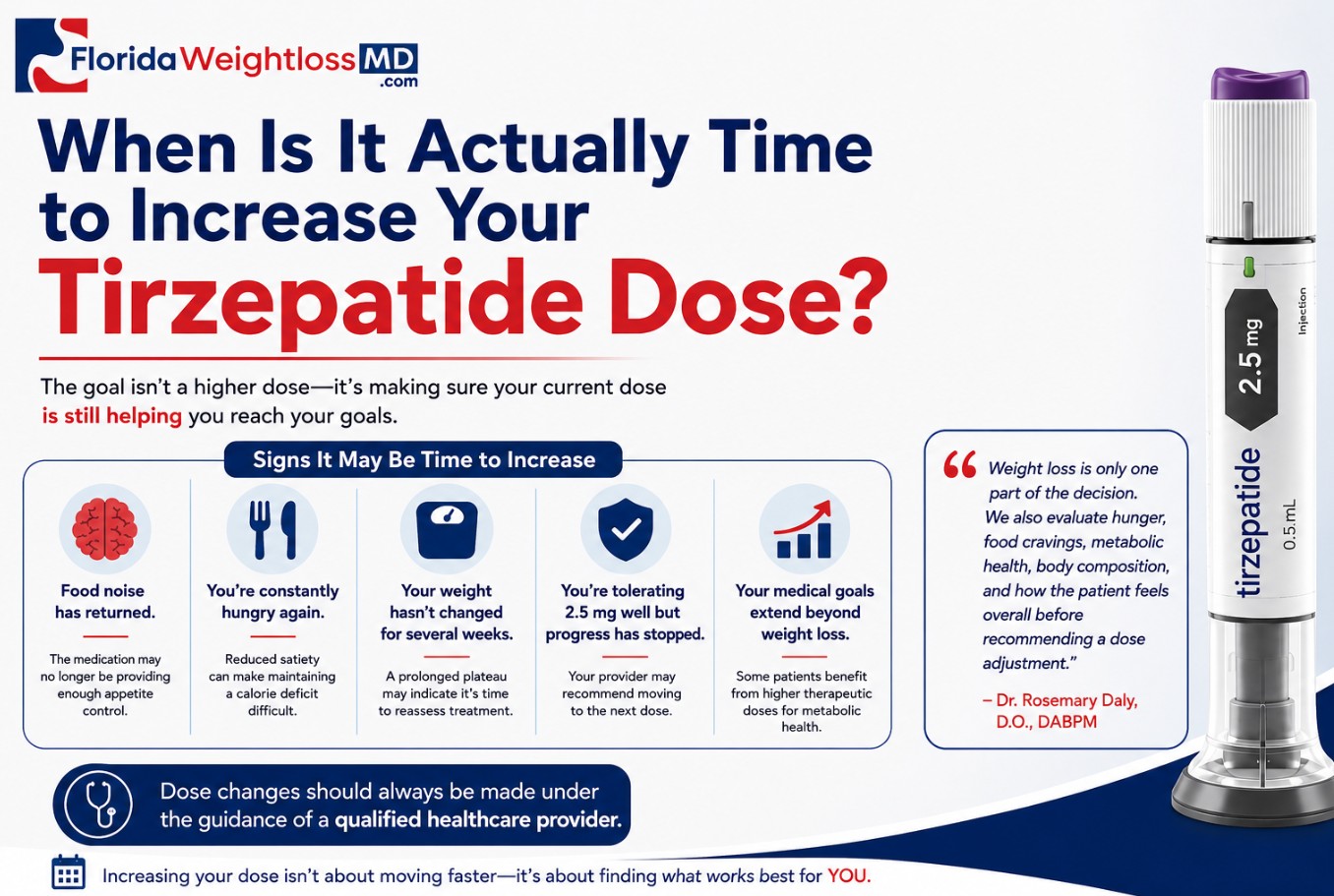
While many patients successfully remain on 2.5 mg for longer than expected, there are situations where increasing the dose may be the right decision.
The goal isn’t simply to move to a higher dose—it’s to make sure your current dose is still helping you achieve healthy, sustainable progress.
If appetite begins increasing again, food noise returns, or weight loss has completely stalled despite maintaining healthy habits, your healthcare provider may recommend gradually increasing your dose.
| Signs It May Be Time to Increase | Why It Matters |
|---|---|
| Food noise has returned. | The medication may no longer be providing enough appetite control. |
| You’re constantly hungry again. | Reduced satiety can make maintaining a calorie deficit difficult. |
| Your weight hasn’t changed for several weeks. | A prolonged plateau may indicate it’s time to reassess treatment. |
| You’re tolerating 2.5 mg well but progress has stopped. | Your provider may recommend moving to the next dose. |
| Your medical goals extend beyond weight loss. | Some patients benefit from higher therapeutic doses for metabolic health. |
“Weight loss is only one part of the decision. We also evaluate hunger, food cravings, metabolic health, body composition, and how the patient feels overall before recommending a dose adjustment.”
— Dr. Rosemary Daly, D.O., DABPM
If a higher dose becomes necessary, our complete Tirzepatide Dosage Guide explains how physicians typically adjust treatment and what patients can expect at each stage.
One thing that stood out while reviewing patient discussions was that very few people recommended increasing simply because the calendar said it was time.
Instead, many patients described waiting until one or more of these happened:
Others shared that they remained on 2.5 mg for months because they continued losing weight and felt no benefit from increasing sooner.
Popular Reddit discussions:
Although these are personal experiences rather than medical recommendations, they illustrate something obesity medicine specialists have recognized for years: successful treatment is highly individualized.
For some patients, yes.
Although many treatment plans eventually involve higher doses, there are patients who continue responding well to 2.5 mg for months—and occasionally even longer. This is especially true for individuals who combine medication with consistent nutrition, regular exercise, adequate protein intake, and healthy lifestyle habits.
Long-term success isn’t determined by medication alone. The patients who maintain weight loss for years are often the ones who develop sustainable habits while the medication helps control appetite.
| Patients Who May Stay Longer on 2.5 mg | Patients Who Often Need Higher Doses |
|---|---|
| Continue losing weight steadily. | Weight loss has plateaued. |
| Food noise remains controlled. | Cravings have returned. |
| Minimal side effects. | Current dose no longer controls appetite. |
| Comfortable maintaining healthy habits. | Provider recommends additional therapeutic benefit. |
“Medication is only one part of successful weight management. The patients who achieve the best long-term outcomes are usually the ones who combine treatment with healthy eating, regular activity, and realistic expectations.”
— Karla K. Mioduchoski, FNP-BC
Many patients also wonder what long-term success actually looks like. Our physician-reviewed Tirzepatide Before & After guide shows realistic timelines, body composition changes, and what many patients experience over several months of treatment.
| Myth | Fact |
|---|---|
| “Everyone should increase after four weeks.” | Not always. Dose changes should be individualized. |
| “2.5 mg doesn’t work.” | Many patients lose significant weight on the starting dose. |
| “Higher doses are always better.” | The best dose is the one that safely produces results with acceptable side effects. |
| “Weight loss is the only thing that matters.” | Providers also evaluate appetite, food noise, metabolic health, muscle preservation, and overall well-being. |

One of the biggest lessons we’ve learned after treating thousands of patients is that successful weight loss isn’t determined by reaching the highest tirzepatide dose. It’s determined by finding a treatment plan that you can safely maintain.
Some patients lose weight quickly on 2.5 mg. Others require 5 mg, 7.5 mg, or higher before they experience meaningful appetite suppression. Neither approach is “better.” What matters is finding the lowest dose that continues helping you reach your goals while minimizing side effects and supporting long-term health.
“Patients often ask us what the ‘best’ tirzepatide dose is. The truth is that the best dose is the one that helps you maintain healthy habits, preserve muscle, improve your metabolic health, and continue making progress safely.”
— Dr. Sergey Terushkin, MD, FACS
If you’re considering tirzepatide or wondering whether it’s time to adjust your dose, these physician-reviewed guides may also help:
Possibly. Many patients remain on 2.5 mg longer than four weeks because they continue losing weight, have good appetite control, and experience minimal side effects. Your healthcare provider can help determine whether staying on your current dose is appropriate.
For some patients, yes. Others need higher doses to achieve adequate appetite suppression or continue losing weight. Every patient’s response to tirzepatide is different.
No. Although dose escalation is common, many providers individualize treatment based on weight-loss progress, food noise, side effects, and overall health rather than following a fixed schedule for every patient.
Some people continue losing weight steadily on the starting dose and see no reason to increase while the medication remains effective. Others prefer staying on a lower dose because they experience fewer side effects.
Some patients do remain on a low maintenance dose after reaching their goal weight, but this decision should always be made together with a qualified healthcare provider.
Healthy nutrition, adequate protein intake, regular physical activity, strength training, sleep quality, and long-term consistency often have just as much impact on success as the medication itself.

Whether you’re just starting tirzepatide or wondering if it’s time to increase your dose, our team at Florida Surgery & Weight Loss Center provides personalized treatment plans based on your medical history, treatment response, and long-term health goals—not a one-size-fits-all schedule.
We offer physician-guided medical weight loss, telehealth consultations, insurance verification, transparent self-pay pricing, and ongoing follow-up for eligible patients throughout Florida and more than 20 states.
Ready to find the dose that’s right for you?
Call (954) 551-3508 or schedule your consultation online to speak with one of our experienced medical weight-loss providers.


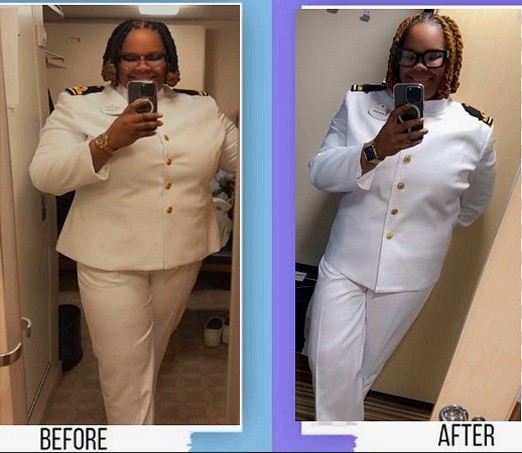
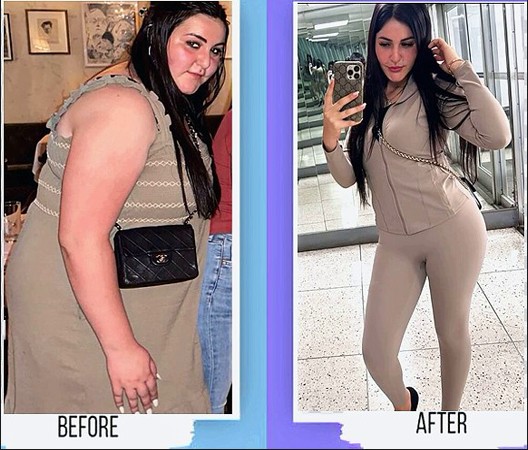
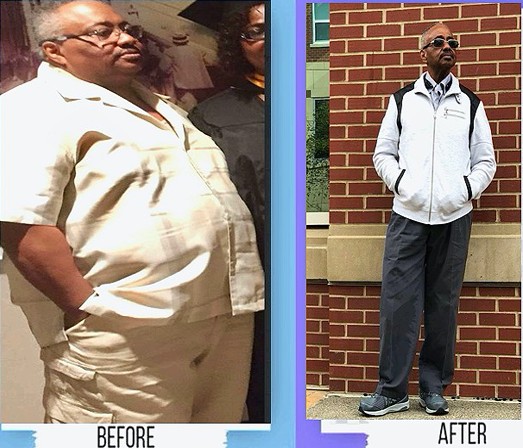
Real people, REAL RESULTS! Check out a few of the many people that we have helped reach their ideal weight goals over the years.