Author: Dr. Sergey Terushkin, MD, FACS
Last Updated: March 23, 2026
Hair falling out after starting tirzepatide? You’re not alone—and it’s not what most people think. New clinical data shows that up to 5% of patients on Zepbound report hair shedding, but the real trigger isn’t the medication itself. It’s the rapid weight loss your body is going through. This temporary condition, known as telogen effluvium, can happen when fat loss outpaces nutritional balance. The good news: it’s reversible, manageable, and often preventable with the right medical guidance.
Led by Dr. Sergey Terushkin, a board-certified, fellowship-trained surgeon specializing in sustained weight management at Florida Surgery And Weight Loss Center , we celebrate incredible patient transformations with medications such as Tirzepatide (Zepbound/Mounjaro). As the pounds drop quickly, however, a common question arises: “Does Tirzepatide cause hair loss?”
The answer is based on clinical evidence and our experience: The medication itself is not the primary cause. The hair shedding observed in some patients is strongly linked to the rapid rate of weight loss that Tirzepatide facilitates. This phenomenon is temporary and manageable, and we are here to help you understand why it happens and how to prevent it.

The vast majority of hair loss experienced during periods of rapid weight change is due to a condition called Telogen Effluvium (TE).
In clinical trials for Zepbound (Tirzepatide), hair loss was reported in approximately 4% to 5% of individuals taking the medication, compared with 1% in the placebo group. This rate is higher than placebo, but key research findings suggest the following:
TE is a temporary form of hair loss triggered by a significant physical stressor, such as rapid weight loss. When the body interprets this rapid change as a shock, it shifts energy away from non-essential functions, such as hair growth.
This forces a large number of growing hair follicles to enter the resting (Telogen) phase prematurely. The result is noticeable shedding about 2–4 months later, which can seem severe because a considerable amount of hair is falling out at once.
While TE is the primary mechanical cause, nutrient deficiencies often compound the problem, mainly when calorie intake is restricted.
Tirzepatide works by powerfully reducing appetite and increasing satiety, which is excellent for caloric deficit but can make it challenging to consume adequate micronutrients. If your diet is restrictive, you can develop deficiencies that weaken the hair follicle:
| Key Nutrient for Hair Health | Why It Matters |
| Protein | Hair is almost entirely protein (keratin). Low intake directly impacts hair structure and growth. (We aim for 70-100 grams daily.) |
| Iron/Ferritin | Low iron stores are a major cause of hair loss, particularly in women. |
| Vitamin D & B12 | Vitamins D and B12 (along with Biotin) are critical for hair tissue growth, repair, and overall cellular function. |
| Zinc | Deficiency in this mineral is common with restrictive diets and can lead to weakened hair follicles. |
At Florida Weight Loss MD, our medical supervision includes regular lab monitoring and a structured nutritional plan to ensure your health—and your hair—are protected.

A medical step-by-step approach to preventing hair loss during GLP-1 weight loss (semaglutide, tirzepatide), focusing on safe weight loss rate, protein intake, nutritional support, and early medical evaluation.
Rapid weight loss is the most common trigger of telogen effluvium (temporary hair shedding). A controlled, sustainable rate—typically around 1–2 pounds per week after the initial phase—helps reduce physiological stress and lowers the risk of hair loss.
Adequate protein is essential for hair growth and preservation. Most patients should aim for approximately 70–100 grams of lean protein daily, depending on body composition and medical guidance, to support both hair follicles and muscle mass.
Hair shedding during weight loss is often linked to deficiencies. Based on medical evaluation and lab work, targeted supplementation may include Iron, Zinc, Biotin, and Vitamins D and B12 to support healthy hair growth.
Regular follow-up helps detect early signs of excessive shedding. Adjustments to nutrition, supplementation, or weight-loss pace can be made to reduce ongoing hair loss.
If hair shedding is severe, prolonged, or atypical, consult a dermatologist to rule out underlying conditions such as thyroid dysfunction or alopecia areata.
Hair loss during GLP-1 weight loss is usually temporary and manageable when addressed early with proper medical guidance.

GLP-1 weight loss programs at Florida Surgery & Weight Loss Center are provided by licensed medical professionals through secure telehealth visits across Florida.
The results of Tirzepatide are overwhelmingly positive and life-changing. Don’t let the fear of temporary hair shedding prevent you from achieving the profound health benefits of your weight loss goals.
At Florida Weight Loss MD, we provide the medical supervision, nutritional expertise, and lab monitoring necessary to manage this—and every other aspect—of your weight loss journey.
Schedule your confidential consultation with our medical team today to start your Tirzepatide program with confidence.
NIH / NCBI Review:
https://www.ncbi.nlm.nih.gov/books/NBK430848/
PubMed Clinical Data:
https://pubmed.ncbi.nlm.nih.gov/29090387/
Tirzepatide (NEJM):
https://www.nejm.org/doi/full/10.1056/NEJMoa2206038
Disclaimer:
GLP-1 medications, including Mounjaro® (Tirzepatide) and Semaglutide, require a medical evaluation and are not suitable for everyone. Side effects may occur, and results vary. Patients with certain medical conditions, including MEN2, medullary thyroid carcinoma, or pregnancy, may not be eligible. All prescriptions are provided by licensed U.S. clinicians and dispensed through regulated pharmacies. This content is for informational purposes only and not medical advice.


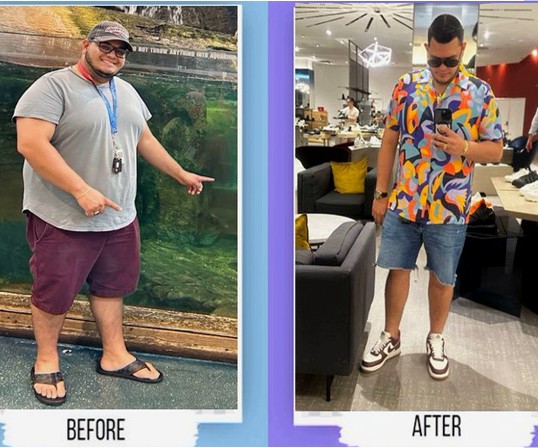
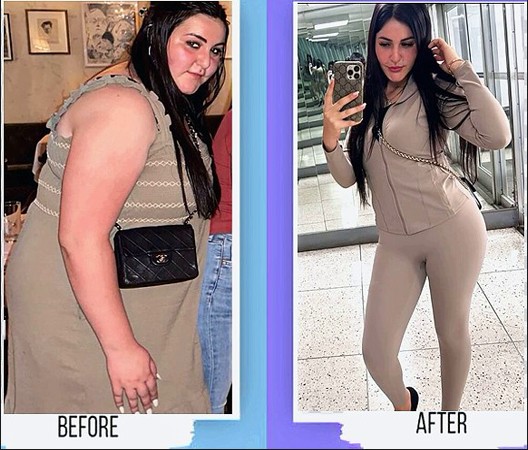
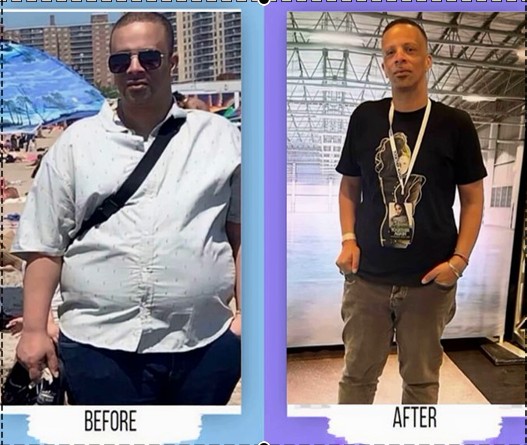
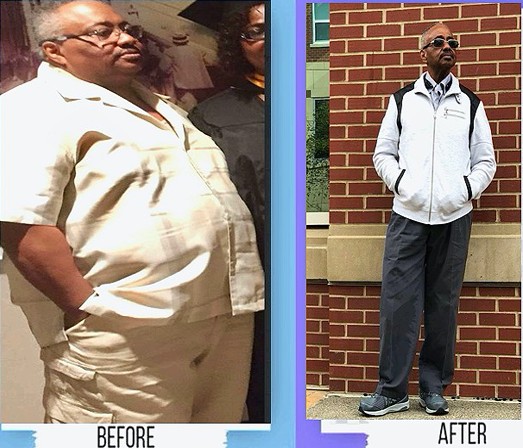
Real people, REAL RESULTS! Check out a few of the many people that we have helped reach their ideal weight goals over the years.