Authored by:
Sergey Terushkin, MD, FACS, FASMBS, DABOM, DABS-FPMBS
Key Takeaways: Ozempic & Alcohol
Navigating a weight loss journey often comes with a variety of questions about lifestyle adjustments. One of the most common questions I hear from my patients at the Florida Surgery & Weight Loss Center is, “Dr. Terushkin, can I drink alcohol while I’m taking Ozempic?” It’s a valid and important question. As a board-certified and fellowship-trained surgeon with over a decade of experience, I believe in providing clear, medically sound guidance to help you achieve your health goals safely and effectively.
So, let’s delve into the relationship between Ozempic (semaglutide) and alcohol consumption.
The straightforward answer is that there’s no strict prohibition against drinking alcohol while using Ozempic. The FDA-approved prescribing information for Ozempic doesn’t list alcohol as a direct contraindication. However, this doesn’t mean it’s without risks. Combining the two requires a nuanced understanding and a commitment to moderation and safety.

As a physician who has performed thousands of procedures and managed countless patients on medical weight loss programs, my primary goal is your success and well-being. Here’s how alcohol can potentially complicate your treatment with Ozempic:
1. The Risk of Hypoglycemia (Low Blood Sugar)
This is perhaps the most significant concern, especially for individuals with type 2 diabetes. Ozempic works by helping to regulate your blood sugar levels. Alcohol, particularly when consumed on an empty stomach, can also lower blood sugar. The combination can lead to hypoglycemia, a condition where your blood sugar drops to dangerously low levels. Symptoms of hypoglycemia can be mistaken for the effects of alcohol itself, including:
This overlap in symptoms can be dangerous, as you might not recognize the need for immediate medical attention.
Many of my patients experience gastrointestinal side effects when they first start Ozempic, such as nausea, vomiting, or an upset stomach. Alcohol can also irritate the digestive system. When you combine them, these side effects can become more pronounced and unpleasant, potentially impacting your ability to tolerate the medication and adhere to your treatment plan.
At the Florida Surgery & Weight Loss Center, we emphasize a holistic approach to weight management. While Ozempic is a powerful tool, lifestyle choices remain crucial. Alcohol contains what we often call “empty calories” – calories that provide little to no nutritional value. These can add up quickly and hinder your weight loss progress.
Furthermore, alcohol can lower inhibitions and stimulate appetite, leading you to make food choices that may not align with your health objectives. Interestingly, some patients report a decreased desire for alcohol while taking Ozempic, which can be an unexpected benefit.
Both heavy alcohol use and, in rare cases, Ozempic have been associated with an increased risk of pancreatitis, which is a severe inflammation of the pancreas. While the risk with Ozempic is low, it’s a potential concern that can be exacerbated by excessive alcohol consumption.

If you choose to drink alcohol while taking Ozempic, it is crucial to do so with caution and in consultation with your healthcare provider. Here are some general guidelines I discuss with my patients:
Dr. Sergey Terushkin, MD, FACS, FASMBS leads Florida Surgery & Weight Loss, one of South Florida’s top clinics for medical and surgical weight loss. Patients achieve incredible results with GLP-1 medications — Semaglutide (Ozempic®, Wegovy®) and Tirzepatide (Mounjaro®, Zepbound™) — or through gastric sleeve and revision surgery.
Contact Dr. Terushkin at (954) 551-3508 or fill out the form to schedule a consultation and start your journey towards a healthier lifestyle today! Our address 1911 Harrison Street, Hollywood, FL 33020
Semaglutide programs are designed for safe, effective, and medically supervised weight loss.
All plans include medication, supplies, and professional follow-up care. Same-day appointments available with English, Spanish, and Russian-speaking doctors.

Disclaimer: Pricing may vary based on individual response, dosage, program length, and provider recommendations.
Q: Does alcohol make Ozempic less effective?
A: While alcohol doesn’t directly stop Ozempic from working, it can counteract its benefits. The empty calories in alcohol can slow down your weight loss, and the impact on your blood sugar can complicate diabetes management.
Q: Will I get sick if I drink on Ozempic?
A: Not everyone will feel sick, but the risk of experiencing or worsening side effects like nausea and vomiting is higher when you combine alcohol and Ozempic.
Q: Can Ozempic help with alcohol cravings?
A: Some anecdotal reports and early research suggest that GLP-1 receptor agonists like Ozempic may reduce cravings for alcohol in some individuals. However, this is not its primary purpose and should not be expected as a guaranteed effect.
Q: What are the best types of alcohol to drink while on Ozempic?
A: If you choose to drink, opt for beverages that are lower in sugar and calories, such as dry wine or light beer, and avoid sugary cocktails. However, the most crucial factor is moderation, regardless of the type of alcohol.
Q: When should I avoid alcohol on Ozempic?
A: You should avoid alcohol entirely if you have a history of pancreatitis, significant liver problems, or if you have trouble controlling your blood sugar levels. It is always best to discuss this with your doctor.

Disclaimer: This blog post is for informational purposes only and should not be considered medical advice. Always consult your doctor before starting any new medication or changing your treatment plan.
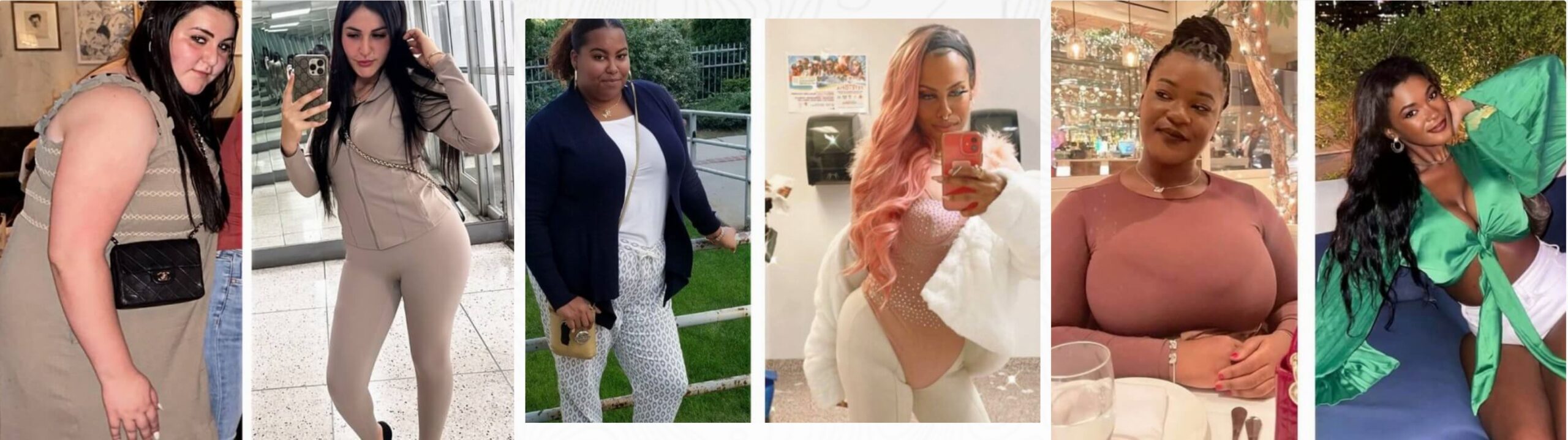


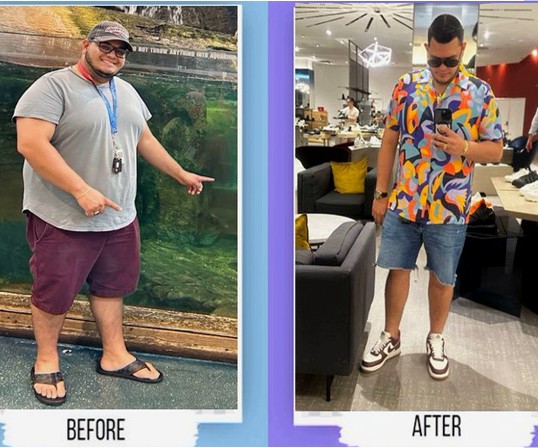
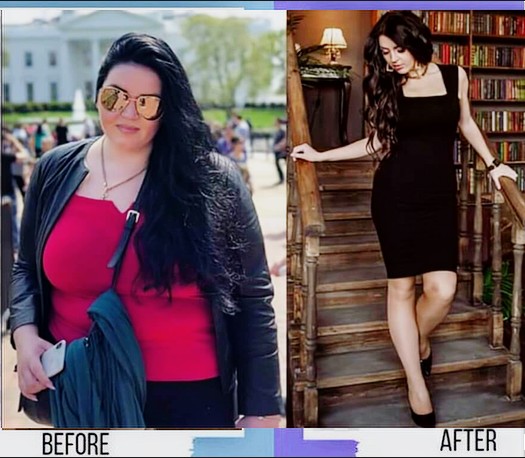
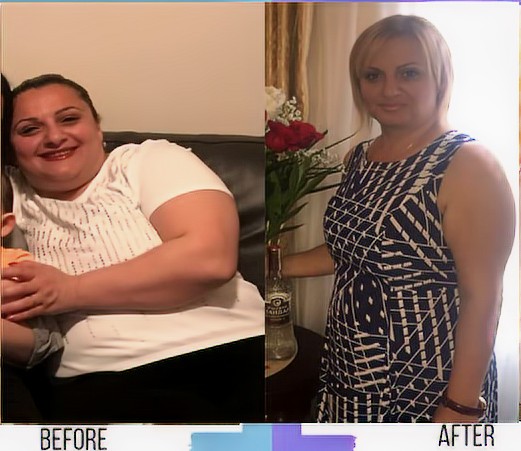
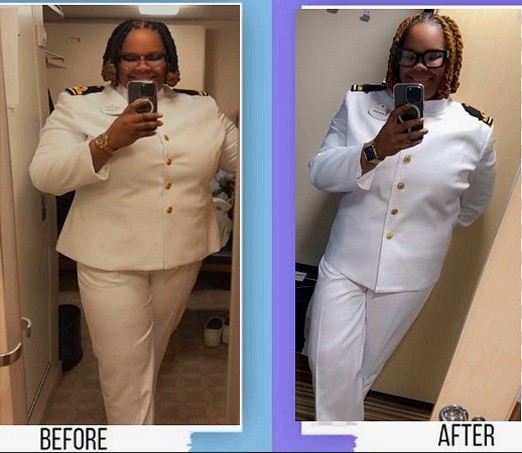
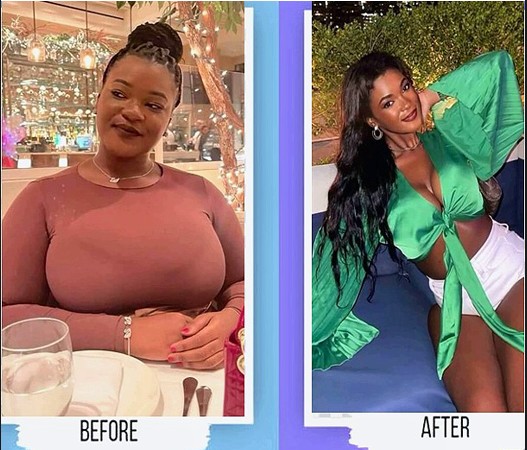
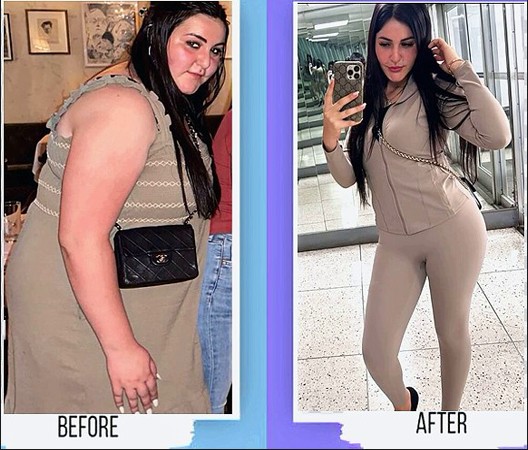
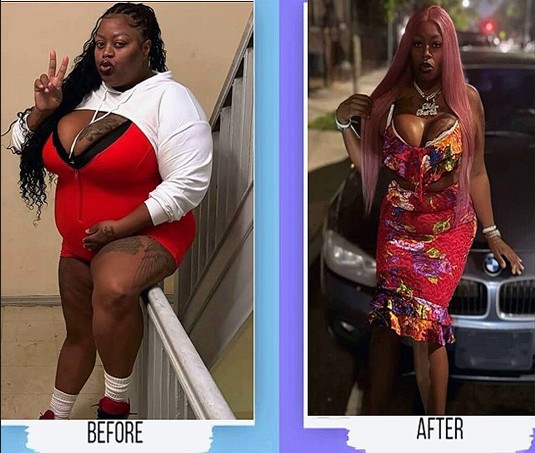
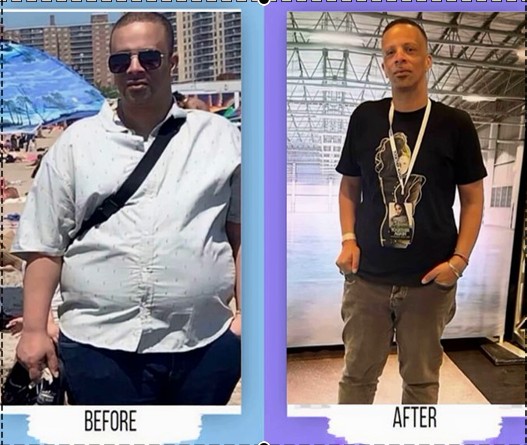
Real people, REAL RESULTS! Check out a few of the many people that we have helped reach their ideal weight goals over the years.