Author: Dr. Terushkin, MD, FACS
Rapid weight loss from GLP-1 medications such as semaglutide or tirzepatide can reduce body fat quickly. In some patients, this also affects facial fat and lean muscle mass. Doctors focus on preventing these changes by supporting adequate protein intake, encouraging strength training, and monitoring body composition during medically supervised weight-loss programs.
Key Takeaways:
Medications such as semaglutide and tirzepatide help patients lose weight quickly. That speed is part of the appeal. But when weight drops fast, the body loses fat in many areas at once. The face often changes first.
Fat pads in the cheeks and temples shrink. Skin has less support. Some patients notice a hollow or tired appearance. Social media calls it “Ozempic face,” but the real issue is rapid fat loss and reduced skin support.
Fat in the face works like natural structure. It supports the skin and maintains facial contour. When weight drops quickly, these fat pads shrink.
In younger patients the skin often tightens well. In patients over 35 or 40, elasticity may be lower, so the face can look thinner or older during rapid weight loss.
Read more About: How to Lose Face Fat: A Medical Perspective on Facial Slimming
Rapid weight loss can also reduce lean muscle mass. This usually happens when calorie intake becomes very low and protein intake is insufficient.
The body then breaks down muscle tissue for energy.
Muscle loss affects more than appearance. It can slow metabolism and reduce strength.
Muscle tissue helps regulate metabolism. The more lean muscle a person maintains, the easier it is to sustain healthy weight loss.
When muscle decreases, metabolic rate often drops. Patients may feel more fatigued and long-term weight maintenance becomes harder.
A well-structured medical program focuses on preserving lean mass while reducing fat.
Protein intake plays a central role. Many patients on appetite-reducing medications simply do not eat enough protein. Increasing dietary protein helps maintain muscle while fat is lost.
Resistance training also helps protect muscle tissue. Even moderate strength exercises performed several times per week signal the body to maintain muscle mass.
Walking and cardio are excellent for cardiovascular health. But they do not provide the same muscle-preserving signal as resistance training.
Strength exercises stimulate muscle fibers and help maintain metabolic activity during weight loss.
Rapid weight loss from GLP-1 medications can lead to facial fat loss and muscle reduction, but these effects can often be minimized. Maintaining adequate protein intake, performing regular strength training, and following a medically supervised plan help preserve muscle and support healthier facial appearance.
Rapid weight loss increases the risk of facial fat loss and muscle breakdown. A structured, physician-guided program helps control the pace of weight reduction and supports better overall outcomes.
Protein plays a central role in preserving lean muscle mass. Patients using GLP-1 medications often eat less, so prioritizing protein intake helps reduce muscle loss during calorie reduction.
Resistance exercises performed at least 2–3 times per week help signal the body to maintain muscle tissue. This supports metabolism and helps prevent excessive muscle loss.
Severely restricting calories can accelerate muscle breakdown. Balanced nutrition ensures the body has enough energy to preserve lean tissue while losing fat.
Hydration supports skin elasticity and overall appearance. Proper fluid intake and balanced nutrition help reduce the visible effects of facial fat loss.
Tracking muscle mass, fat percentage, and metabolic markers provides a more accurate picture than weight alone. Regular monitoring allows timely adjustments to protect muscle and aesthetic balance.
In some cases, dermatologic or aesthetic treatments may help restore facial volume or improve skin quality after significant weight loss. These options should be discussed with a qualified healthcare provider.
Facial changes are often related to how quickly weight is lost. Gradual weight reduction tends to produce better aesthetic outcomes.
Adequate hydration, balanced nutrition, and muscle preservation all help support skin structure during weight loss.
Some patients also explore dermatologic treatments that stimulate collagen or restore lost facial volume after major weight reduction.
Most patients notice facial changes after significant weight loss, often after losing 30–40 pounds or more. In many cases the face stabilizes as weight loss slows.
Preventive strategies started early in treatment tend to produce the best results.
Medical supervision plays an important role during modern weight-loss treatments. Doctors monitor more than body weight. Body composition, nutrition, and metabolic markers are also evaluated.
When treatment includes structured nutrition and exercise guidance, patients often lose fat while maintaining strength and overall health.
The goal is simple: healthy weight reduction without sacrificing muscle or facial structure.

Medications like Ozempic® do not directly cause facial aging. What many people notice is the effect of rapid weight loss. When the body loses fat quickly, facial fat pads in the cheeks and temples shrink, which can make the face appear thinner or slightly hollow.
This change can happen with any significant weight loss, not just GLP-1 medications. Skin elasticity also plays a role. Younger patients often adapt better, while facial changes may be more noticeable after age 35–40.
Gradual weight loss, adequate protein intake, and resistance training can help preserve muscle and support healthier facial structure during medical weight loss.
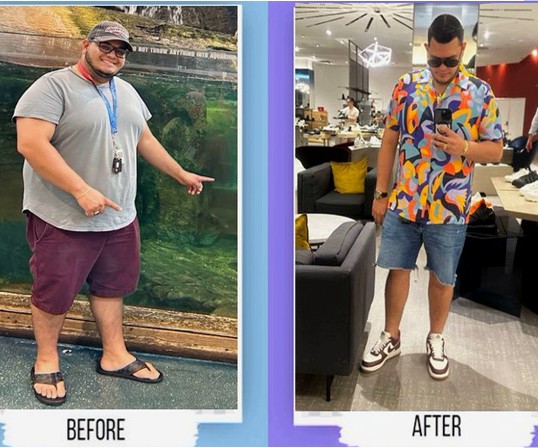
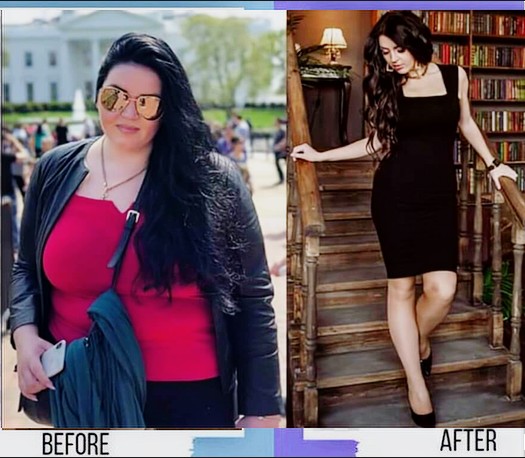
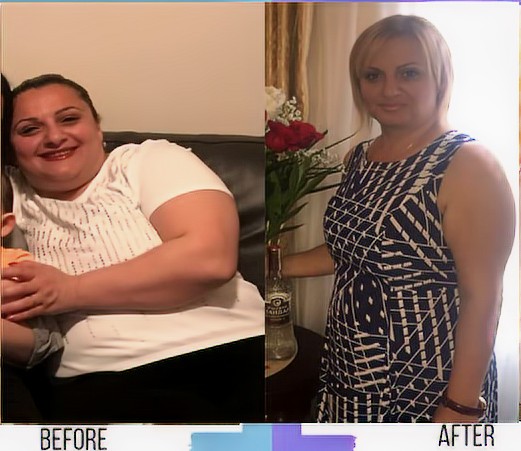
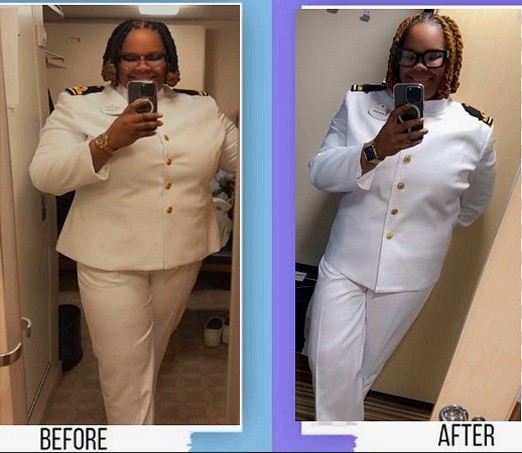
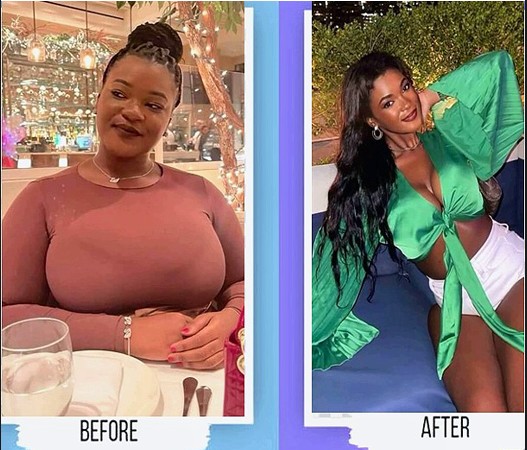
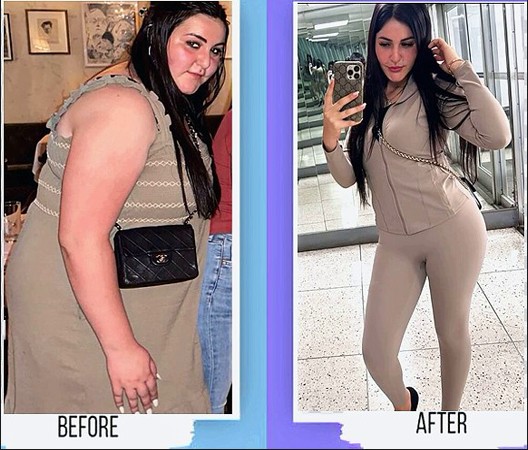
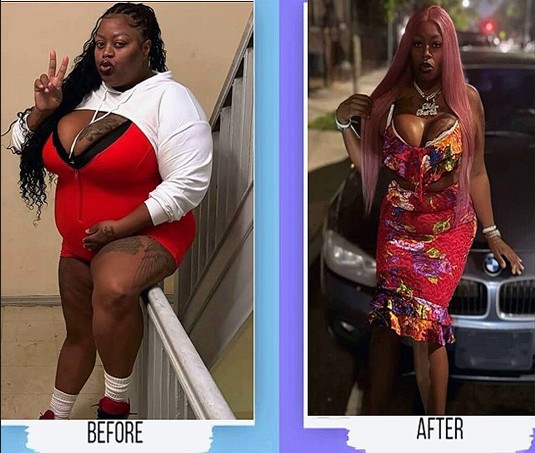
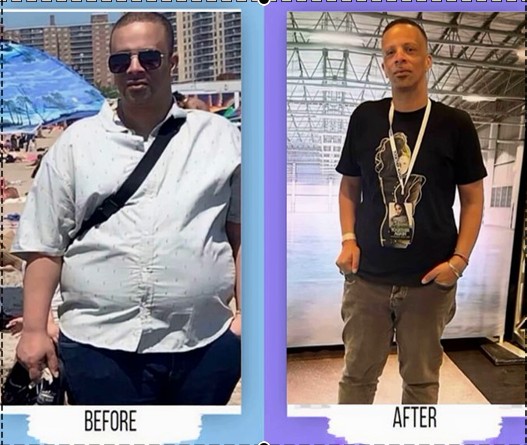
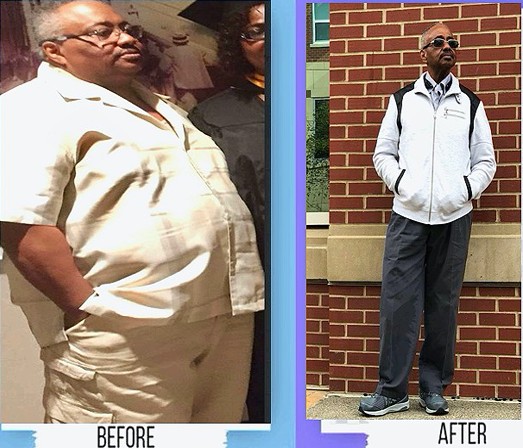
Many patients researching GLP-1 medications want to understand what results may look like over time. Before-and-after examples show how medically supervised weight loss can reduce body fat while preserving strength and overall health.
You may also want to explore:
• Semaglutide before and after results
• Tirzepatide weight loss transformations
• Expected weight loss timeline during GLP-1 therapy
These resources help patients understand what realistic progress may look like during treatment.


Real people, REAL RESULTS! Check out a few of the many people that we have helped reach their ideal weight goals over the years.