Florida Surgery & Weight Loss | Dr. Sergey Terushkin, MD, FACS
Key Takeaways
You step on the scale and see the numbers dropping. Your clothes fit better, your energy is up, and your GLP-1 medication—whether it is Ozempic®, Wegovy®, Mounjaro®, or Zepbound™—is finally helping you take control of your metabolic health.
But then, you notice something unpleasant: a sudden, persistent case of bad breath.
If you are experiencing what the internet has dubbed “Ozempic Breath,” you are not alone. It is one of the most common, yet least discussed, side effects of medical weight loss. As a bariatric surgeon and weight loss specialist, I want to assure you that this is a normal biological reaction to the medication.
More importantly, it is highly treatable. Here is the science behind why your breath has changed and the exact steps you can take to fix it.

To fix the problem, we first need to understand the four biological changes that occur in your body when you take a GLP-1 receptor agonist.
The primary way medications like Semaglutide and Tirzepatide help you lose weight is by slowing down your digestion. Food stays in your stomach much longer, which keeps you feeling full. However, because the food sits in the warm environment of your stomach for hours, it begins to ferment. This fermentation produces sulfur gases. When you exhale or burp (often called “sulfur burps”), those foul-smelling gases escape through your mouth.
GLP-1 medications alter the reward and thirst centers in your brain. Many patients simply forget to drink water because they do not feel thirsty. This leads to mild dehydration and a significant reduction in saliva production. Saliva is your mouth’s natural defense mechanism—it washes away dead cells and bacteria. Without enough saliva, bacteria thrive on your tongue and gums, causing severe halitosis.
If your breath doesn’t smell like sulfur, but instead smells strangely sweet, fruity, or like nail polish remover, congratulations—you are in ketosis. Because the medication drastically reduces your appetite and carbohydrate intake, your body starts burning its own stored fat for fuel. This process releases chemicals called ketones (specifically acetone), which are expelled through your breath and urine.
Because food sits in the stomach longer, pressure builds up. This can force stomach acid and undigested food particles to splash back up into the esophagus (acid reflux). This acidic environment in your throat directly contributes to a sour taste and bad breath.

Read more About: Mounjaro® vs Ozempic®: Which Is Better for Weight Loss, Safety & Cost? (2026 Physician Review)
You do not have to stop taking your weight loss medication to get rid of bad breath. Implementing these simple, daily habits can neutralize the odor almost immediately.
You must drink water even when you do not feel thirsty. Aim for at least 80 to 100 ounces of water a day. Drinking water constantly washes away oral bacteria and helps push food out of the stomach and into the intestines faster.
Brushing twice a day is no longer enough.
Chewing gum stimulates your salivary glands. Keeping your mouth moist is the fastest way to neutralize odor-causing bacteria. Look for gum containing Xylitol, which actively blocks bacteria from sticking to your teeth.
If you are waking up with a sour taste in your mouth, talk to our medical team. We may recommend an over-the-counter antacid (such as Tums) or a daily PPI (such as Omeprazole) to reduce stomach acid. Additionally, stop eating at least 3 hours before lying down for bed.
While Ozempic breath is usually just an annoying side effect, severe or worsening symptoms should not be ignored. If your bad breath is accompanied by severe abdominal pain, chronic vomiting, or an inability to pass gas or stool, contact your doctor immediately. This could be a sign of a bowel obstruction or severe gastroparesis, which requires prompt medical intervention.
Medical Disclaimer
Educational Purposes Only: The information provided on this page is for educational and informational purposes only and is not a substitute for professional medical advice, diagnosis, or treatment. Managing the side effects of prescription weight-loss medications such as Ozempic, Wegovy, Mounjaro, or Zepbound should always be done under the supervision of a qualified healthcare provider. Always consult Dr. Terushkin or your prescribing physician before making any changes to your diet, hydration, or medication routine. If you experience severe abdominal pain, chronic vomiting, or suspect a medical emergency, call 911 immediately.


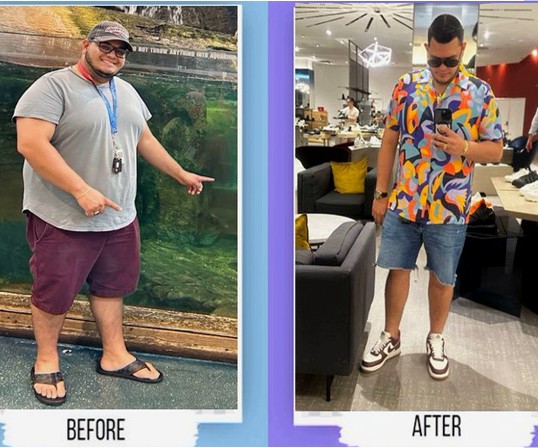
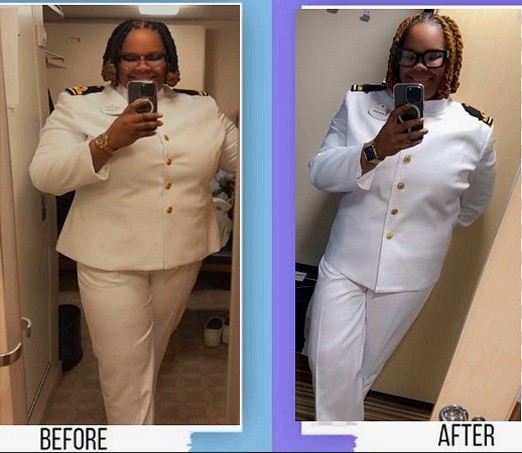
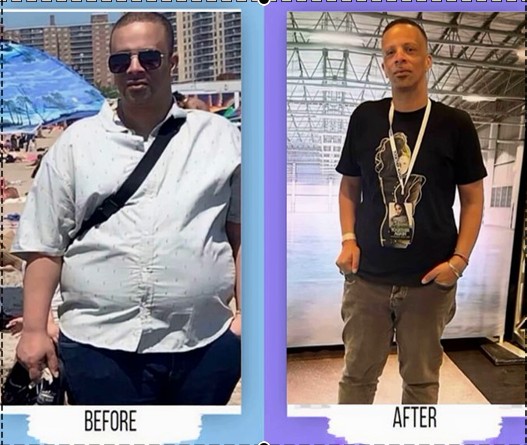
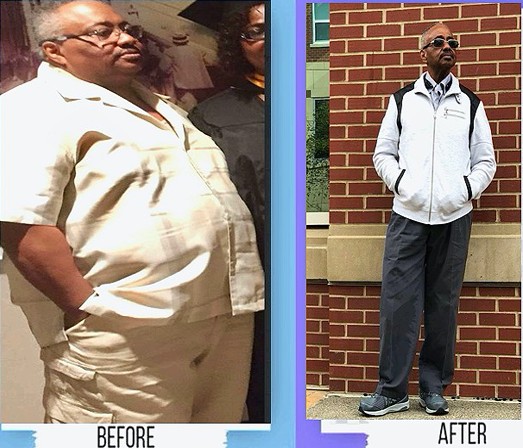
Real people, REAL RESULTS! Check out a few of the many people that we have helped reach their ideal weight goals over the years.