Medical & Surgical Review
Your surgeon reviews symptoms, imaging, medical conditions, medications, previous operations, and surgical risk.

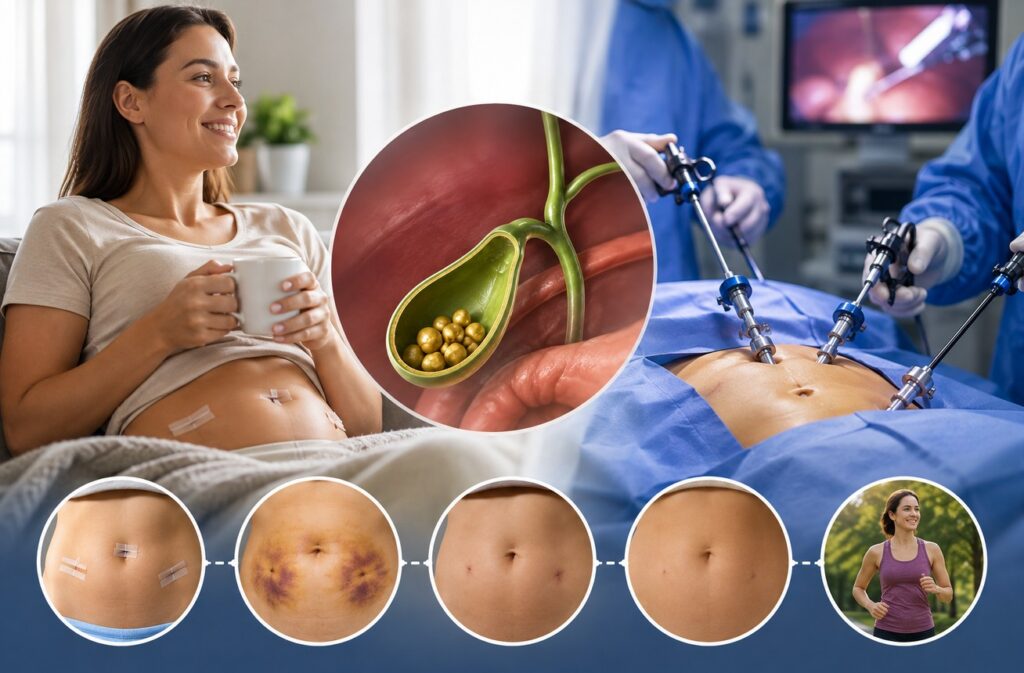
Before gallbladder removal, patients often want to know what will happen immediately after surgery and how quickly they may feel normal again. Robotic and laparoscopic cholecystectomy use small abdominal incisions, but both are major operations and recovery is individual.
This guide explains the typical before-and-after process and recovery timeline for patients having robotic or laparoscopic gallbladder removal with Dr. Sergey Terushkin, MD, FACS at Florida Surgery And Weight Loss Center in Hollywood, FL.
Learn what to expect before robotic or laparoscopic gallbladder removal, the first hours after surgery, the first week at home, return to work and activity, diet changes, incision healing, and longer-term recovery.
Most patients are less concerned about the operation itself than about what happens afterward: How much will it hurt? When can I eat? When can I drive? When can I work? What will the incisions look like? Recovery varies, but minimally invasive robotic and laparoscopic surgery generally allows a faster return to normal activity than a traditional open abdominal operation.
Dr. Terushkin performs both approaches, with a primary focus on robotic surgery when appropriate.
Both robotic and laparoscopic cholecystectomy are minimally invasive approaches performed through small incisions. The exact incision pattern and early postoperative experience can vary, but the overall recovery goals are similar: control pain, begin gentle movement, protect the incisions, gradually return to normal activity, and follow individualized lifting and diet instructions.
The surgical approach is selected based on anatomy, inflammation, previous abdominal surgery, imaging, overall health, and Dr. Terushkin’s assessment.
Preparation begins before the day of the procedure.
Your surgeon reviews symptoms, imaging, medical conditions, medications, previous operations, and surgical risk.
Laboratory testing, imaging, medical clearance, or other studies may be needed depending on your health and clinical situation.
Follow individualized instructions about medications, including which medicines should or should not be taken before surgery.
You will receive fasting instructions and generally need an adult to drive you home after outpatient surgery.
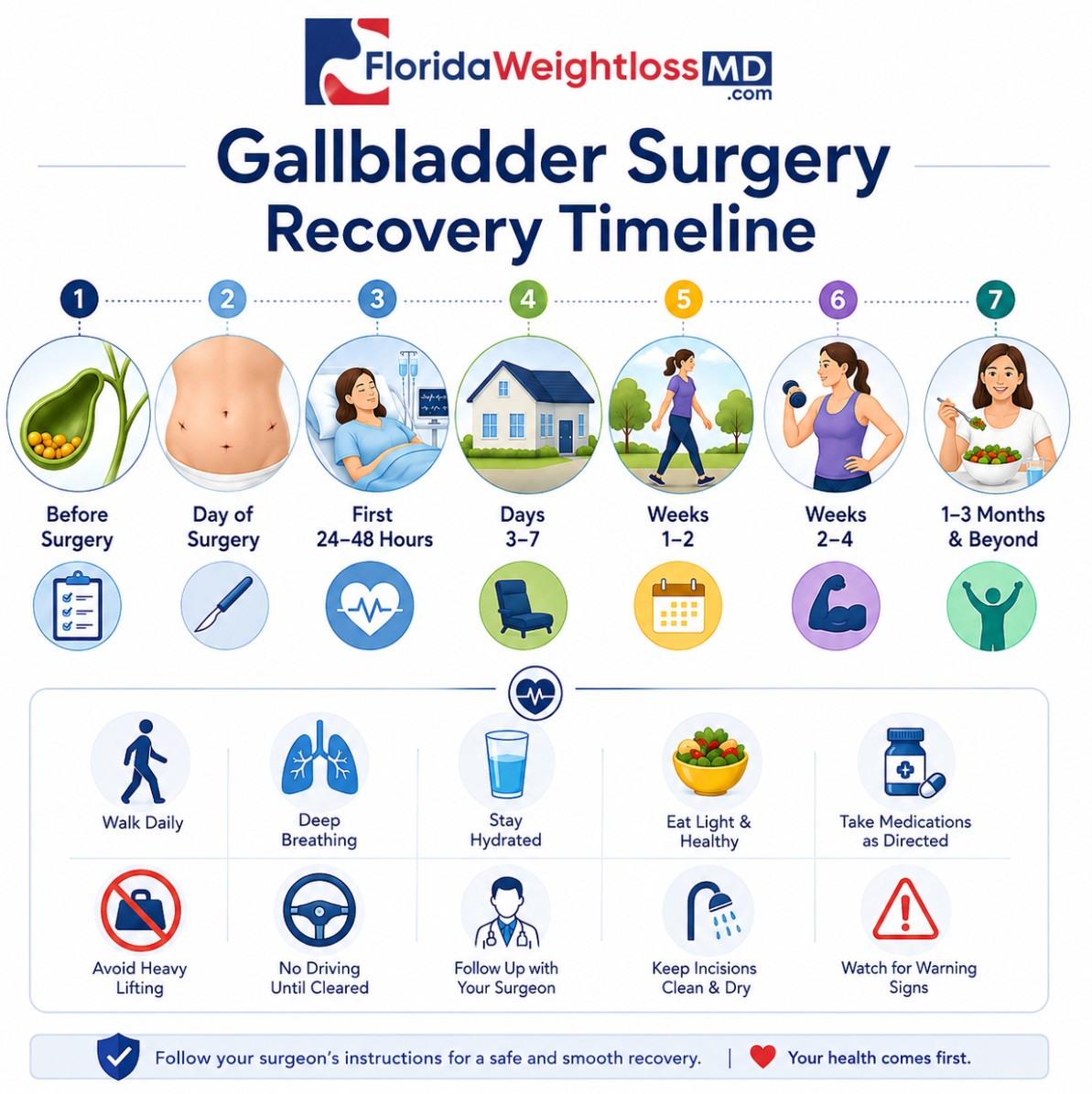
Typical gallbladder surgery recovery stages from the day of surgery through longer-term healing. Individual recovery varies.
A practical look at the stages patients commonly ask about.
Patients may experience recurrent upper-right abdominal pain, nausea, vomiting, or attacks after meals.
The source of gallstone-related gallbladder attacks is removed, although recovery symptoms and other digestive conditions can still cause discomfort.
The gallbladder stores and concentrates bile produced by the liver.
After removal, the liver still produces bile, which flows directly into the small intestine rather than being stored in the gallbladder.
Robotic and laparoscopic gallbladder removal generally use several small abdominal incisions. Early incisions can look red, slightly swollen, bruised, or raised. Over time they generally flatten and fade, although scar appearance varies by skin type, healing, genetics, sun exposure, infection, and individual scar formation.
Immediately after surgery, many patients tolerate smaller, lighter meals better than heavy or high-fat foods. Food tolerance can change temporarily as digestion adjusts.
Most patients gradually return to a normal diet. Some people experience temporary loose stools, urgency, bloating, or sensitivity to fatty foods. For a deeper guide, see Diet After Gallbladder Removal.
Sedentary work may be possible sooner than jobs involving lifting, repetitive bending, or strenuous physical activity.
Do not drive while taking impairing pain medication or until you can safely move, brake, turn, and react without significant limitation.
Follow your surgeon’s restrictions. Feeling better does not necessarily mean internal healing is complete.
Walking is commonly part of early recovery. More strenuous exercise should resume according to individualized surgical instructions.
“Patients often feel better before the internal healing process is complete. Recovery should be guided by how you are healing and the type of activity you want to return to.”Dr. Sergey Terushkin, MD, FACS
Robotic and laparoscopic gallbladder surgery and postoperative care with Dr. Sergey Terushkin, MD, FACS in Hollywood, FL. Call (954) 551-3508 or book online.
Both are minimally invasive approaches, and the general recovery goals are similar. Individual pain, incision healing, return to work and activity depend more on the patient and the specific operation than on a generic timeline. Follow Dr. Terushkin’s postoperative instructions.
Pain varies. Soreness around the incisions, abdominal discomfort, bloating, and temporary shoulder pain can occur. Your surgical team provides individualized postoperative pain-management instructions.
Temporary abdominal bloating or swelling is common early after robotic or laparoscopic surgery and generally improves as recovery progresses. Persistent or worsening swelling should be discussed with your surgeon.
Gallbladder removal is not a weight loss operation. Short-term weight changes can occur because of appetite or diet changes around surgery, but weight loss is not the purpose of cholecystectomy.
Most patients gradually return to a normal diet. Some initially tolerate smaller, lower-fat meals better while digestion adjusts.
Robotic and laparoscopic cholecystectomy generally require several small incisions. The exact number and placement depend on surgical technique and individual circumstances.
Contact your surgical team for concerning or worsening symptoms. Severe abdominal pain, difficulty breathing, fainting, high fever, jaundice, repeated vomiting, or other severe symptoms may require urgent or emergency evaluation.
Main Hollywood, FL gallbladder surgery guide, with robotic surgery as Dr. Terushkin’s primary minimally invasive focus when appropriate.
Learn about Dr. Sergey Terushkin, MD, FACS.
Insurance coverage, self-pay, financing, and cost-sharing.
Understand gallstone attacks and treatment options.
Food tolerance and diet progression after surgery.
For questions about gallbladder surgery, preparation, recovery, or whether robotic or laparoscopic gallbladder removal is appropriate, schedule an evaluation at Florida Surgery And Weight Loss Center.

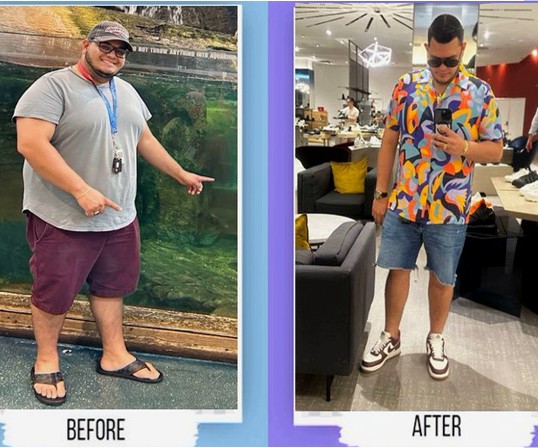
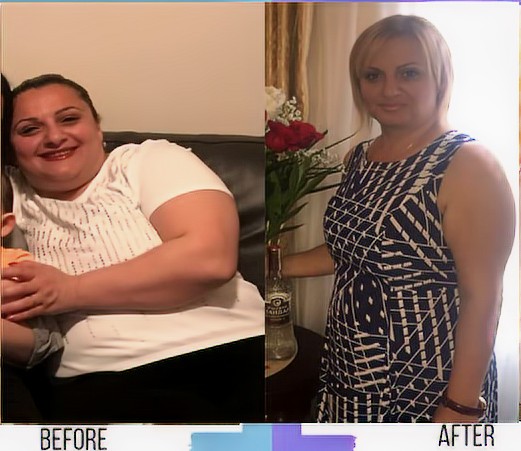
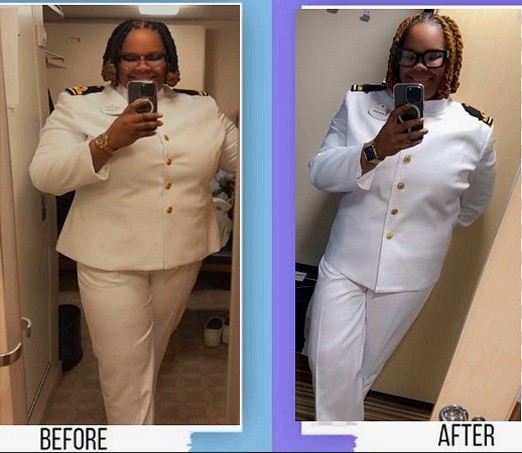
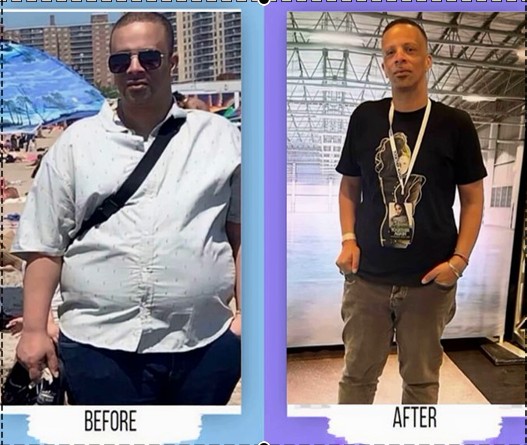
Real people, REAL RESULTS! Check out a few of the many people that we have helped reach their ideal weight goals over the years.
A World-Class Group Of Board Certified Providers Dedicated to You! With weight-loss surgery, you deserve a team of renowned experts at your back, guiding your transformation journey with your whole health in mind. And that’s exactly the kind of support you’ll find here.