Lean Protein
Chicken, turkey, fish, eggs, tofu, and other lower-fat protein sources may be easier than fatty meats.

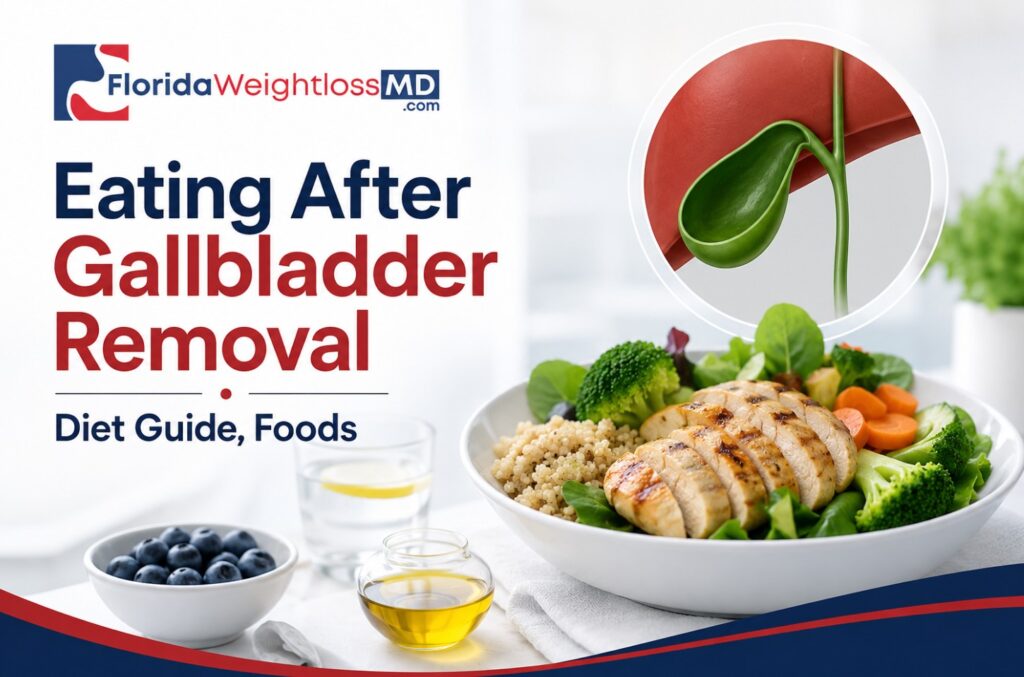
After gallbladder removal, many patients wonder what they can eat, which foods may trigger diarrhea or bloating, and how quickly they can return to a normal diet. Most people eventually tolerate a broad range of foods, but the first days and weeks after surgery are often easier with smaller meals and a gradual return to higher-fat foods.
This guide explains what to eat after robotic or laparoscopic gallbladder removal, foods that may be harder to tolerate early on, how digestion changes without a gallbladder, and when persistent digestive symptoms should be discussed with your surgeon.
Dr. Sergey Terushkin performs both robotic and laparoscopic gallbladder removal, with a primary focus on robotic surgery when appropriate. Diet progression after surgery is generally based on individual tolerance and recovery rather than whether the gallbladder was removed robotically or laparoscopically.
There is no single permanent “gallbladder diet” that every patient must follow. Most people gradually return to a normal, balanced diet after surgery, but the early recovery period is often more comfortable with smaller portions, lower-fat meals, good hydration, and gradual food reintroduction.
The most common question is whether life without a gallbladder means giving up favorite foods permanently. For most patients, the answer is no. The liver still produces bile after surgery, but bile flows more continuously into the intestine instead of being stored and released by the gallbladder. That adjustment can temporarily change how some people tolerate fatty or heavy meals.
The liver keeps making bile even after the gallbladder is removed.
Before surgery, the gallbladder stores and concentrates bile between meals. After removal, bile flows directly from the liver into the small intestine. Most patients adapt well, but some notice temporary loose stools, urgency, bloating, gas, or sensitivity to high-fat meals while the digestive system adjusts.
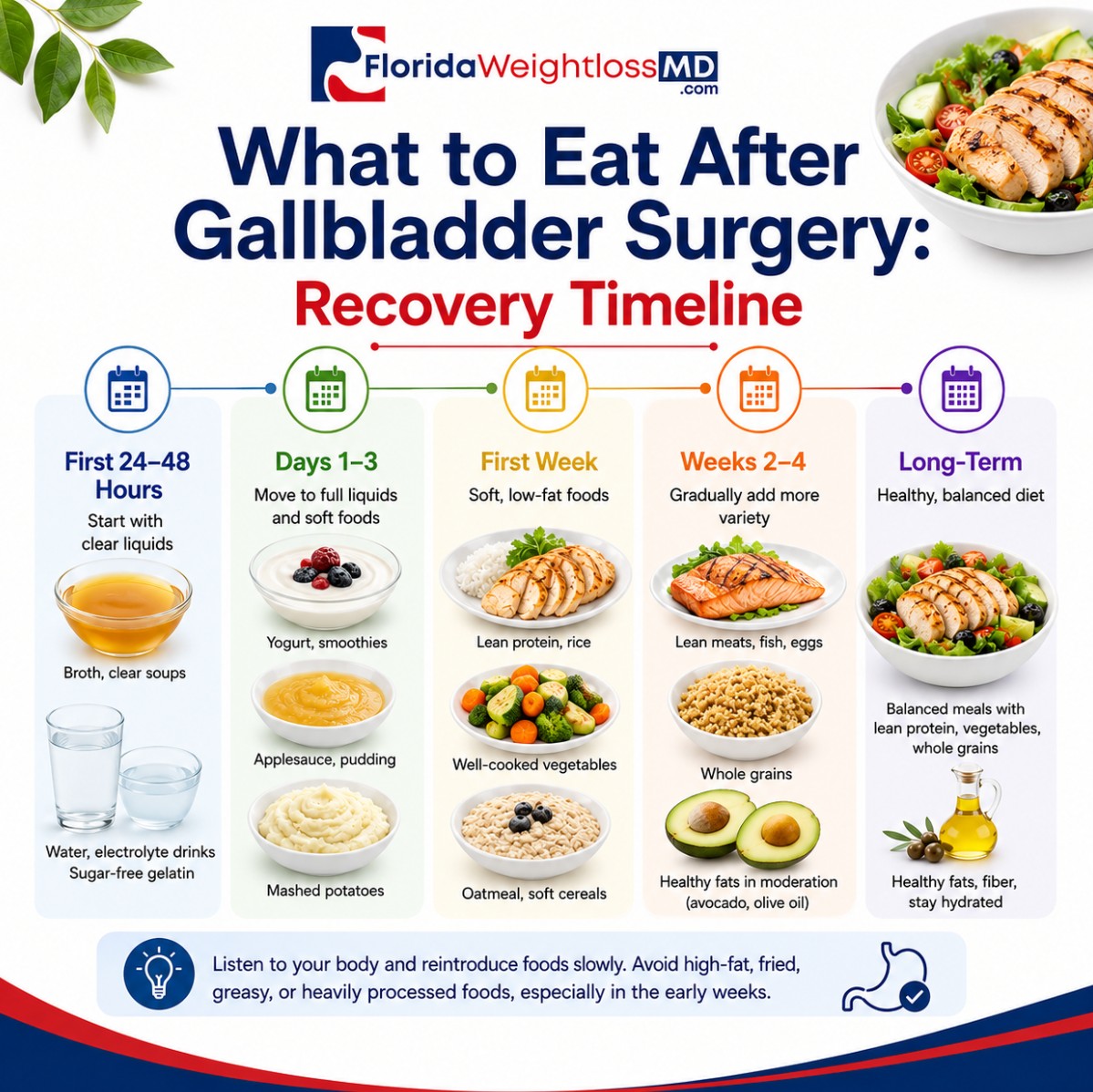
What to eat after gallbladder surgery: gradually progress from liquids and soft foods to lower-fat meals and a balanced diet as tolerated. Individual recovery and food tolerance vary.
A gradual progression is often easier than returning immediately to heavy meals.
Individual tolerance varies, but these choices are commonly practical during recovery.
Chicken, turkey, fish, eggs, tofu, and other lower-fat protein sources may be easier than fatty meats.
Rice, oatmeal, toast, crackers, potatoes, pasta, and other simple foods can be useful early in recovery.
Start with portions you tolerate. Cooked vegetables may be easier than large amounts of raw vegetables immediately after surgery.
Low-fat yogurt, milk, or cottage cheese may be tolerated better than high-fat dairy products.
Simple soups can provide fluids and nutrition when appetite is reduced.
Regular fluids are especially important if appetite is reduced or stools become loose.
These foods are not necessarily forbidden forever, but they may be more difficult early after surgery.
Deep-fried foods can contain large amounts of fat and may trigger diarrhea, cramping, or urgency.
Bacon, sausage, fatty cuts of beef, and similar foods may be harder to digest in larger portions.
Heavy cream sauces, butter-rich foods, and full-fat dairy can be more difficult during early recovery.
Even healthy foods can feel uncomfortable if portions are very large. Smaller meals may be easier while digestion adjusts.
Spicy foods can worsen digestive discomfort in some patients, particularly if the gastrointestinal tract is already sensitive.
Follow your surgeon’s postoperative instructions and avoid alcohol while taking medications that should not be combined with it.
There is no universal gram limit that applies to every patient.
Fat does not need to be permanently eliminated. A practical approach is to keep early meals relatively low in fat, avoid very greasy foods, and gradually test tolerance as recovery progresses.
Some patients tolerate avocado, olive oil, nuts, nut butter, salmon, and other healthy fats well in modest portions, while others initially need smaller amounts. Symptoms should guide reintroduction.
Temporary bowel changes can happen as digestion adjusts.
Some patients have loose stools, urgency, gas, bloating, or cramping after gallbladder removal. Large fatty meals may make these symptoms more noticeable. Eating smaller meals and reducing excess fat can help some patients.
Increase fiber gradually rather than suddenly.
Oatmeal, fruits, vegetables, beans, and whole grains are important parts of a balanced diet. However, rapidly increasing fiber can worsen gas or bloating in some people. Add fiber gradually and drink adequate fluids.
Coffee is not permanently prohibited after gallbladder removal, but caffeine can stimulate the gastrointestinal tract and may worsen urgency or loose stools in some patients. Consider smaller amounts during early recovery and see how you tolerate it.
Many patients tolerate dairy normally, while others find high-fat dairy more difficult early after surgery. Low-fat yogurt, milk, or cheese may be easier to reintroduce than cream, full-fat ice cream, or rich cheese dishes.
Follow your surgeon’s instructions regarding alcohol after surgery. Alcohol may interact with pain medication or other postoperative medicines and can worsen dehydration or gastrointestinal symptoms. Do not drink alcohol while taking medications that should not be combined with it.
Robotic and laparoscopic gallbladder surgery and postoperative care with Dr. Sergey Terushkin, MD, FACS at Florida Surgery And Weight Loss Center. Call (954) 551-3508 or book online.
Most patients do not need a restrictive lifelong diet.
Once recovery is complete, a balanced diet with vegetables, fruit, whole grains, lean protein, and reasonable portions of healthy fats is appropriate for many patients. Long-term food choices should be based on overall health and personal tolerance rather than the assumption that the gallbladder has been removed.
“Most patients gradually return to a normal diet after gallbladder surgery. The key is to reintroduce foods based on tolerance instead of trying to follow an unnecessarily restrictive diet forever.”Dr. Sergey Terushkin, MD, FACS
Usually the same general principles apply. Start with lighter, lower-fat foods and gradually expand the diet as tolerated. Your individual postoperative instructions take priority regardless of whether surgery was robotic or laparoscopic.
Follow your postoperative instructions. Fluids and lighter foods are often easier after anesthesia, especially if you have nausea or reduced appetite.
There is no universal timeline. Many patients gradually reintroduce higher-fat foods over the first several weeks based on tolerance and surgeon guidance.
Many patients tolerate eggs, although preparation matters. Eggs cooked with large amounts of butter, oil, cheese, or fatty meat may be harder to tolerate early in recovery.
Pizza can be high in fat because of cheese and meat toppings. It may be better to wait until early recovery has progressed and then try a small portion to assess tolerance.
Bile flows more continuously into the intestine after gallbladder removal. Some patients experience temporary bowel changes. Persistent or severe diarrhea should be medically evaluated.
Gallbladder removal is not a weight loss procedure. Temporary changes in appetite or diet can affect weight, but intentional weight management should be addressed separately.
Main gallbladder surgery guide in Hollywood, FL, including Dr. Terushkin’s robotic-first minimally invasive approach when appropriate.
Recovery, scars, swelling, healing, work, and activity timeline.
Gallstone symptoms, attacks, causes, diagnosis, and treatment options.
Insurance coverage, cost sharing, self-pay, and financing.
Learn about Dr. Sergey Terushkin, MD, FACS.
For individualized postoperative instructions following gallbladder removal, contact Florida Surgery And Weight Loss Center or schedule a consultation with Dr. Sergey Terushkin in Hollywood, FL.

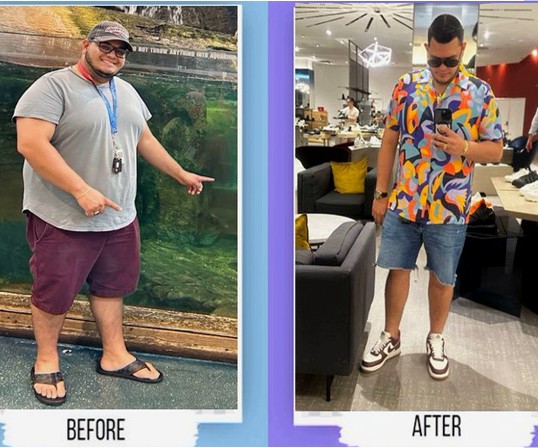
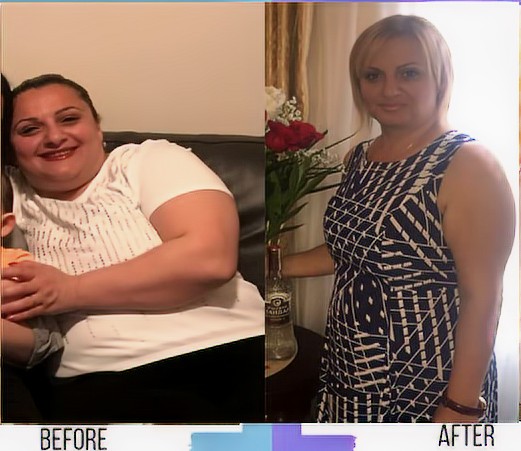
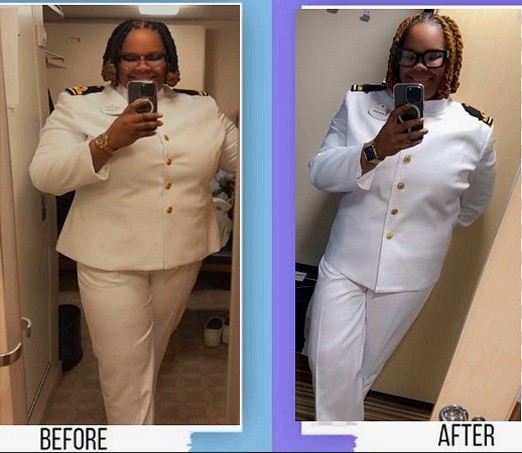
Real people, REAL RESULTS! Check out a few of the many people that we have helped reach their ideal weight goals over the years.
A World-Class Group Of Board Certified Providers Dedicated to You! With weight-loss surgery, you deserve a team of renowned experts at your back, guiding your transformation journey with your whole health in mind. And that’s exactly the kind of support you’ll find here.