Cholesterol Gallstones
These are the most common type and are usually yellow-green. They can form when bile contains more cholesterol than can remain dissolved.

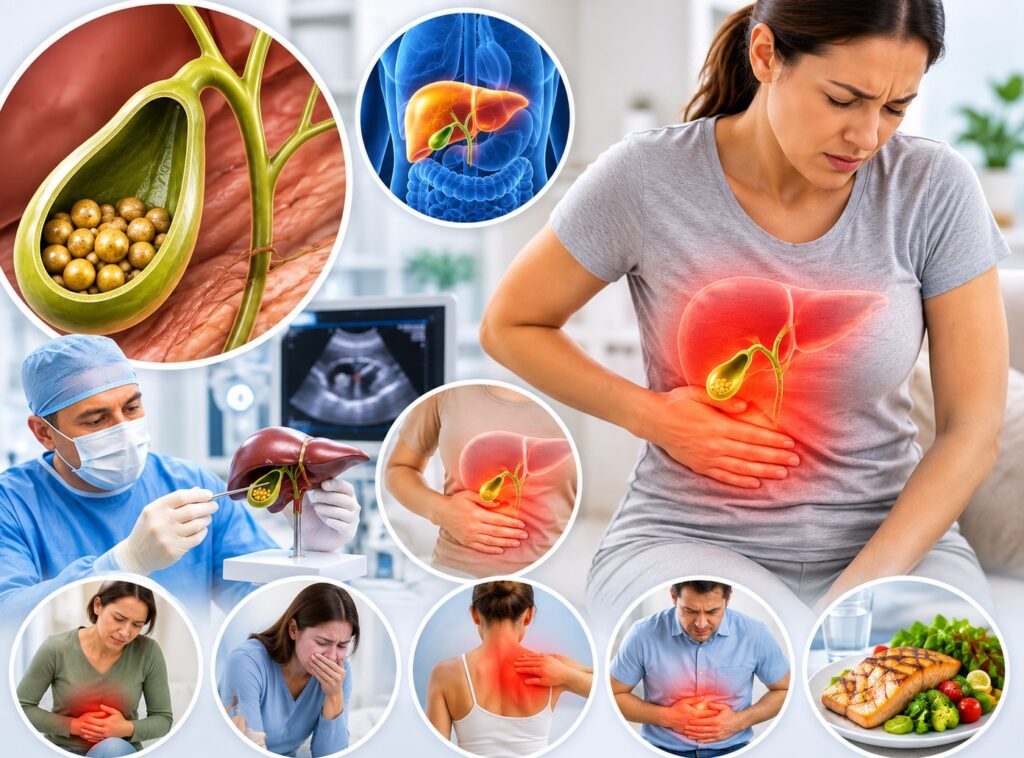
Gallstones are common and do not always cause symptoms. Some people discover them incidentally on imaging, while others experience repeated episodes of upper-right abdominal pain, nausea, vomiting, or discomfort after meals.
This guide explains common gallstone symptoms, causes, diagnosis, treatment options, and when a surgical evaluation may be appropriate. Florida Surgery And Weight Loss Center in Hollywood, FL provides gallbladder evaluation and robotic and laparoscopic minimally invasive surgical care with Dr. Sergey Terushkin, MD, FACS.
Gallstones can remain silent for years or cause recurring gallbladder attacks when they block normal bile flow. Treatment depends on symptoms, imaging findings, inflammation, previous attacks, overall health, and the risk of future complications.
The biggest question is usually whether gallstones always require surgery. The answer is no. Gallstones that are not causing symptoms may not need immediate treatment. Recurrent pain, inflammation, obstruction, jaundice, pancreatitis, or other complications can make surgical evaluation more important.
Gallstones form when substances in bile harden inside the gallbladder.
The gallbladder is a small organ beneath the liver that stores bile, a digestive fluid made by the liver. Gallstones can vary in number and size. Some people have one stone, while others have many.
These are the most common type and are usually yellow-green. They can form when bile contains more cholesterol than can remain dissolved.
These darker stones form when bile contains increased bilirubin and may be associated with certain medical conditions.
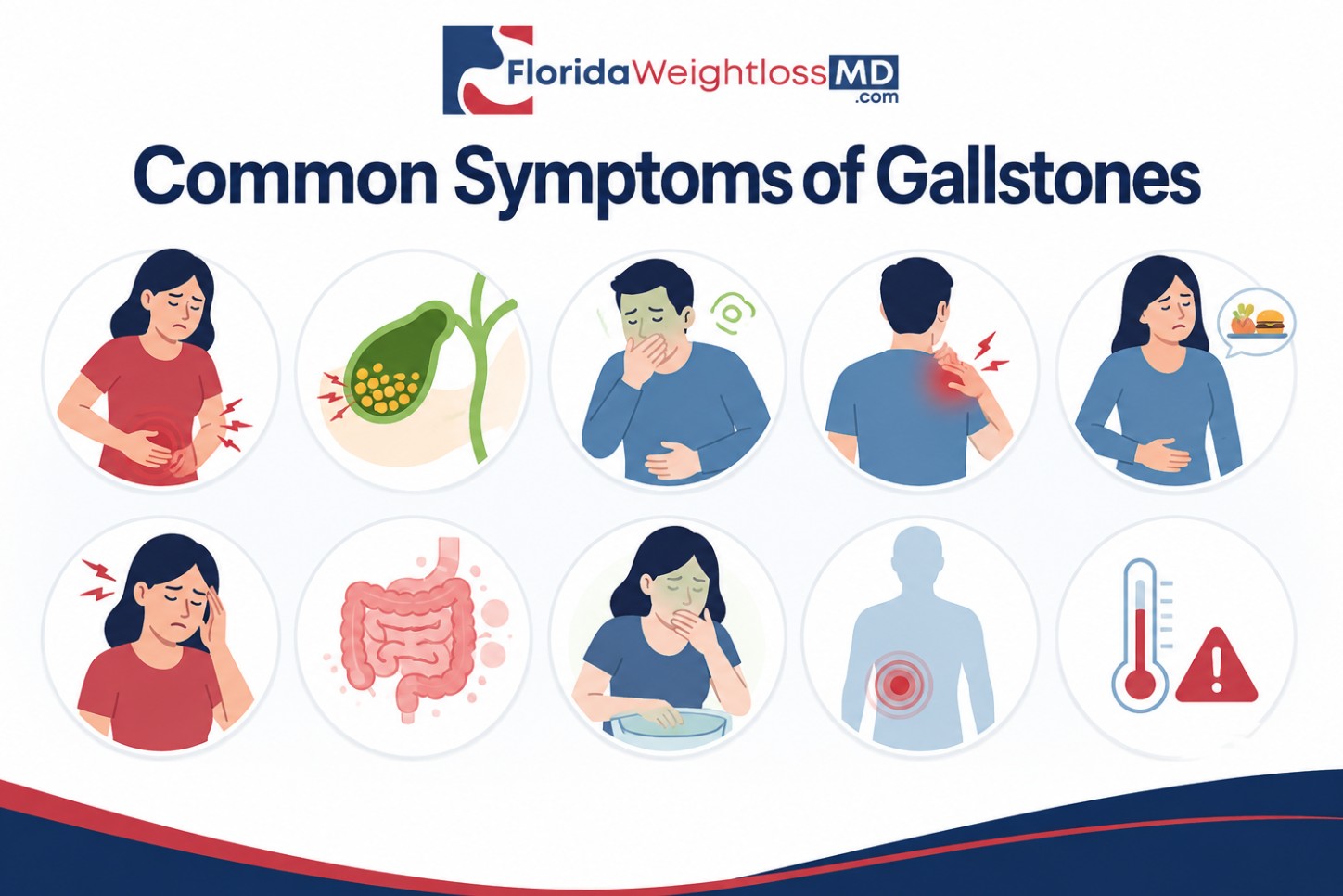
Common symptoms of gallstones and gallbladder attacks. Symptoms vary and can overlap with other medical conditions.
Symptoms often begin when a stone blocks normal bile flow.
Pain may be sudden, intense, or steady and is often felt beneath the right rib cage.
Symptoms may become more noticeable after fatty or heavy meals because the gallbladder contracts during digestion.
Gallbladder attacks can cause nausea, vomiting, or a general feeling of digestive distress.
Pain can radiate from the upper abdomen toward the back or right shoulder blade.
Some patients report bloating, fullness, or digestive discomfort, although these symptoms can have many other causes.
Gallstone pain may stop and return days, weeks, or months later.
Biliary colic often follows a recognizable pattern.
A gallbladder attack can cause severe or steady pain in the upper-right or upper-middle abdomen. Pain may last from minutes to several hours and can occur after meals, especially higher-fat meals. Some patients also have nausea, vomiting, sweating, or pain radiating to the back or shoulder.
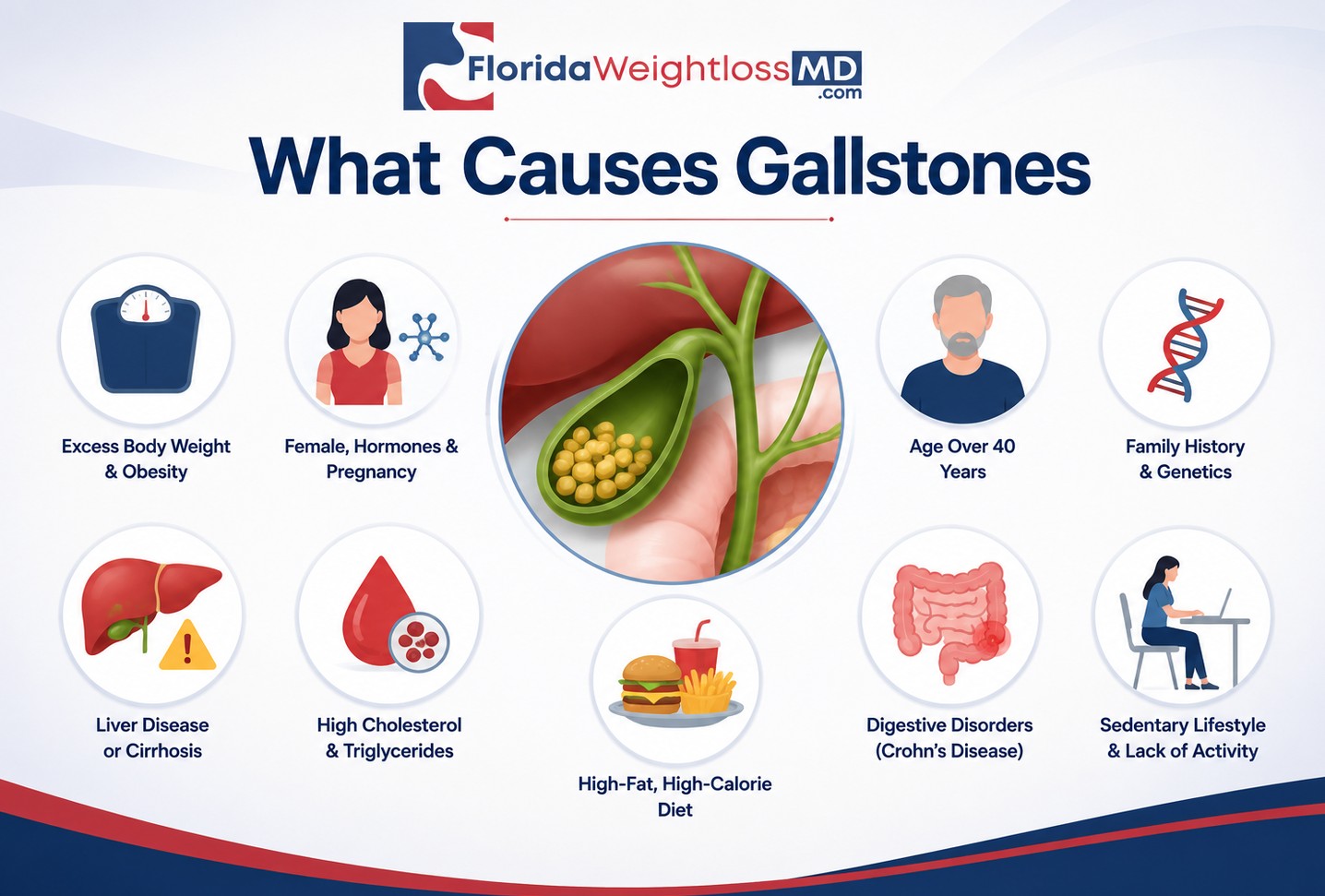
Common gallstone risk factors can include body weight, hormones, pregnancy, age, genetics, cholesterol, medical conditions, diet and lifestyle factors.
Gallstones form when the chemistry or movement of bile changes.
Bile may contain more cholesterol than the bile salts can keep dissolved.
Certain conditions can increase bilirubin levels and contribute to pigment stone formation.
If bile remains in the gallbladder too long, it can become concentrated and promote stone formation.
Obesity, rapid weight loss, pregnancy, age, sex, genetics, and certain medical conditions can influence risk.
Symptoms alone cannot confirm gallstones.
Abdominal ultrasound is commonly used to identify gallstones and evaluate the gallbladder.
Laboratory testing can help look for signs of inflammation, infection, liver or bile duct problems, or pancreatitis.
Other imaging may be ordered when the diagnosis is unclear or there is concern about bile duct stones or complications.
A surgeon reviews symptoms, imaging, laboratory findings, medical history, and prior attacks before recommending treatment.
Not every gallstone requires surgery.
Gallstones discovered incidentally without symptoms may not require immediate treatment. The situation changes when stones repeatedly cause pain, inflammation, bile duct blockage, pancreatitis, jaundice, infection, or other complications.
The decision should be based on symptoms and clinical risk rather than simply the presence of stones on an imaging report.
Treatment depends on whether the stones are causing symptoms or complications.
Asymptomatic gallstones may be monitored when there is no clinical reason for immediate treatment.
Lower-fat meals may reduce symptom triggers for some patients, but diet does not reliably remove existing gallstones.
Medication is not a routine definitive treatment for most symptomatic gallstones. Management depends on the individual clinical situation.
For recurrent symptomatic gallstones or complications, cholecystectomy is a common definitive treatment. Dr. Terushkin performs both approaches, with a primary focus on robotic minimally invasive surgery when appropriate.
Dr. Terushkin performs both minimally invasive approaches, with a primary focus on robotic surgery when appropriate.
Both robotic and laparoscopic cholecystectomy remove the gallbladder through small abdominal incisions. In robotic surgery, Dr. Terushkin operates from a surgeon console that controls robotic instruments designed for precise movement and visualization. In traditional laparoscopy, the surgeon directly controls laparoscopic instruments at the operating table.
The goal is the same: safe gallbladder removal with a minimally invasive approach. The recommended technique depends on the patient’s anatomy, prior abdominal surgery, inflammation, imaging findings, overall health, and the surgeon’s assessment.

Dr. Sergey Terushkin, MD, FACS evaluates symptomatic gallstones and provides robotic and laparoscopic minimally invasive gallbladder surgical care in Hollywood, FL, with a primary focus on robotic surgery when appropriate. Call (954) 551-3508 or book online.
Surgery may be considered when symptoms or complications become clinically significant.
Common reasons for surgical evaluation include recurrent gallbladder attacks, symptomatic gallstones, acute or chronic cholecystitis, obstruction, jaundice, pancreatitis related to gallstones, or other complications.
Patients considering surgery can review our main guide to Robotic & Laparoscopic Gallbladder Surgery in Hollywood, FL With Insurance or learn about Dr. Sergey Terushkin, gallbladder surgeon in Hollywood, FL.
“The presence of gallstones alone does not determine the treatment. What matters most is whether they are causing symptoms, inflammation, blockage, or other complications.”Dr. Sergey Terushkin, MD, FACS
He performs both. His primary minimally invasive focus is robotic gallbladder surgery when appropriate, while laparoscopic cholecystectomy remains another option. The recommended technique depends on the individual clinical situation.
Gallstones usually remain unless they are removed or treated in specific circumstances. Some stones may never cause symptoms and may not require immediate treatment.
Diet can sometimes reduce symptom triggers, but dietary changes do not reliably dissolve existing gallstones.
Yes. Gallbladder pain can radiate toward the back or right shoulder blade, although back pain has many other possible causes.
Duration varies. Some attacks last minutes, while others can persist for hours. Severe, persistent, or worsening pain requires medical evaluation.
Yes. A gallstone can sometimes block drainage near the pancreatic duct and trigger pancreatitis, which can require urgent treatment.
Seek emergency care for severe or persistent abdominal pain, fever, jaundice, repeated vomiting, fainting, confusion, or other rapidly worsening symptoms.
Main gallbladder surgery guide covering both minimally invasive approaches, with robotic surgery as Dr. Terushkin’s primary focus when appropriate.
Learn about Dr. Sergey Terushkin, MD, FACS.
Recovery, scars, healing, diet, and activity timeline.
Detailed recovery guidance after surgery.
Insurance, self-pay, financing, and cost-sharing.
Food tolerance and diet progression after surgery.
If you have recurring upper-right abdominal pain, diagnosed gallstones, nausea after meals, or repeated gallbladder attacks, schedule an evaluation with Dr. Sergey Terushkin at Florida Surgery And Weight Loss Center.

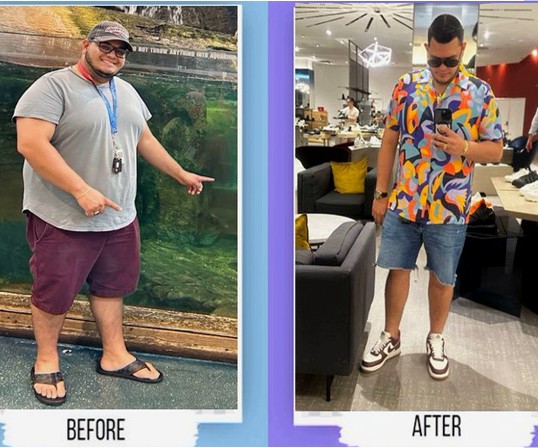
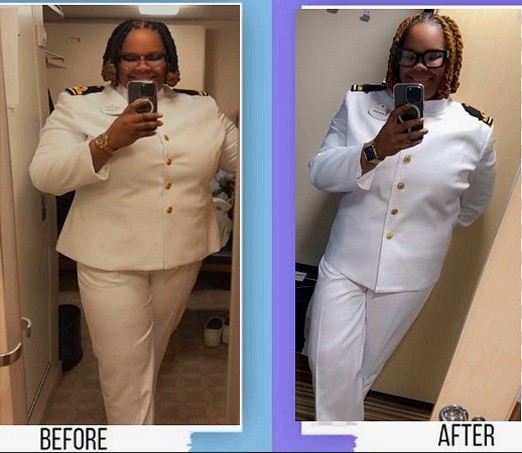
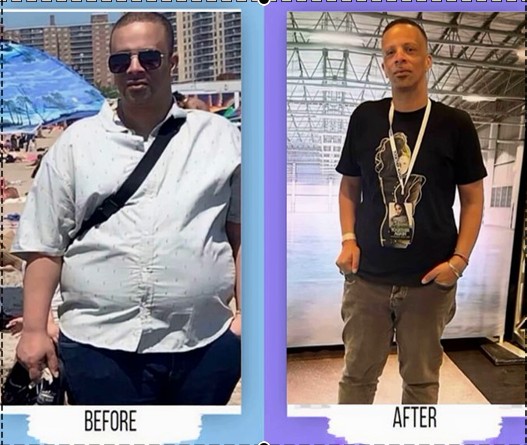
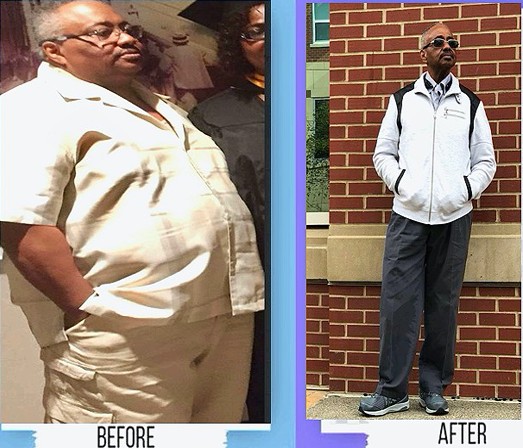
Real people, REAL RESULTS! Check out a few of the many people that we have helped reach their ideal weight goals over the years.
A World-Class Group Of Board Certified Providers Dedicated to You! With weight-loss surgery, you deserve a team of renowned experts at your back, guiding your transformation journey with your whole health in mind. And that’s exactly the kind of support you’ll find here.